


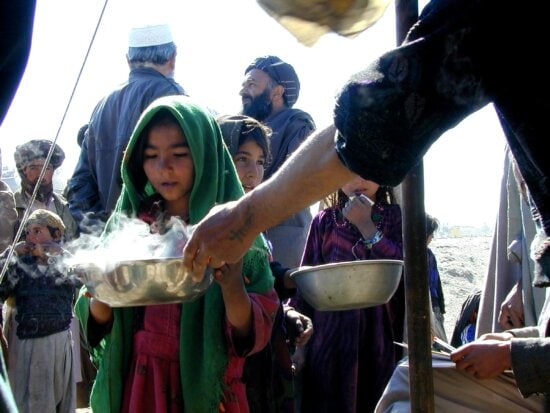
Food Paucity in Afghanistan has been a persistent problem for decades. The country has long struggled with poverty, instability, and a lack of infrastructure, all of which have contributed to chronic food insecurity. The situation has been further exacerbated by the strict actions of ruling Talibans, ongoing conflict, and natural disasters.
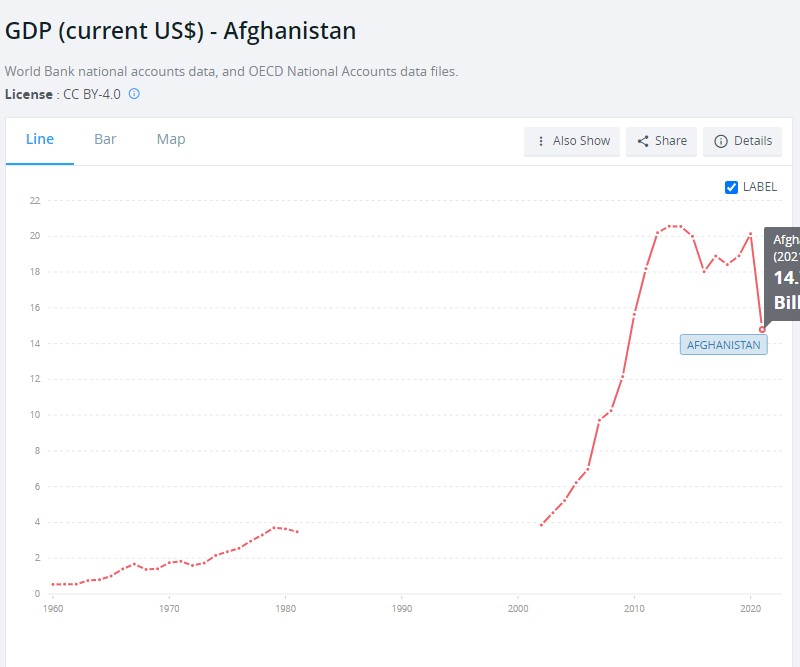
As per World Bank‘s data; Afghanistan’s GDP is 14.79 billion dollars. Afghanistan has one of the lowest GDP per capita in the world, and a large portion of the population lives below the poverty line. Many households are unable to afford enough food to meet their basic needs, and are forced to rely on food assistance programs.
Insecurity is another major factor contributing to food crises in Afghanistan. The country has been in a state of armed conflict for decades, and the ongoing fighting has made it difficult for farmers to access their land and crops. Many rural areas are under the control of the Taliban, which has imposed strict rules on the movement of people and goods. This has made it difficult for farmers to transport their crops to market, and for aid organizations to deliver food assistance to those in need.
Climate change and natural disasters also play a role in Food Paucity in Afghanistan. The country is prone to droughts, floods, and earthquakes, which can destroy crops and disrupt food supplies. In recent years, Afghanistan has been hit by a series of severe droughts, which have left many farmers without enough water to irrigate their crops. This has led to food shortages and increased dependence on food assistance.
The COVID-19 pandemic has also had a major impact on food security in Afghanistan. The country has had a relatively high number of cases and deaths, and the government has implemented strict lockdowns and travel restrictions to try to slow the spread of the virus. However, these measures have also led to job losses and reduced incomes, making it even more difficult for households to afford enough food.
The government of Afghanistan has been working to address food insecurity in the country, but progress has been slow. The government has implemented a number of programs to support farmers and improve access to food, but these efforts have been hampered by the ongoing conflict and limited resources. The government has also sought assistance from the international community, but the amount of aid received has been insufficient to meet the needs of the population.
International organizations such as World Food Programme (WFP) and Food and Agriculture Organization (FAO) have been working to support food security in Afghanistan. These organizations have been providing food assistance to vulnerable households, as well as supporting farmers and improving agricultural infrastructure. They have been also working on building resilience of communities to future shocks like drought or floods.
Despite these efforts, Food Paucity in Afghanistan remains a major problem. Millions of people are still at risk of going hungry, and the situation is likely to get worse as the country continues to face ongoing conflict, natural disasters, and the ongoing COVID-19 pandemic. It is crucial that the government of Afghanistan and the international community continue to work together to address this crisis and support the most vulnerable populations.
In conclusion, food crises in Afghanistan have been a persistent problem for decades due to poverty, insecurity, natural disasters, and the COVID-19 pandemic. The country has one of the lowest GDP per capita in the world, and a large portion of the population lives below the poverty line. The ongoing conflict and limited resources have hampered the government’s ability to address food insecurity. International organizations have been working to support food security in Afghanistan, but their efforts have been insufficient to meet the needs of the population. It is crucial that the government of Afghanistan and the international community continue to work together to address this crisis and support the most vulnerable populations.
