

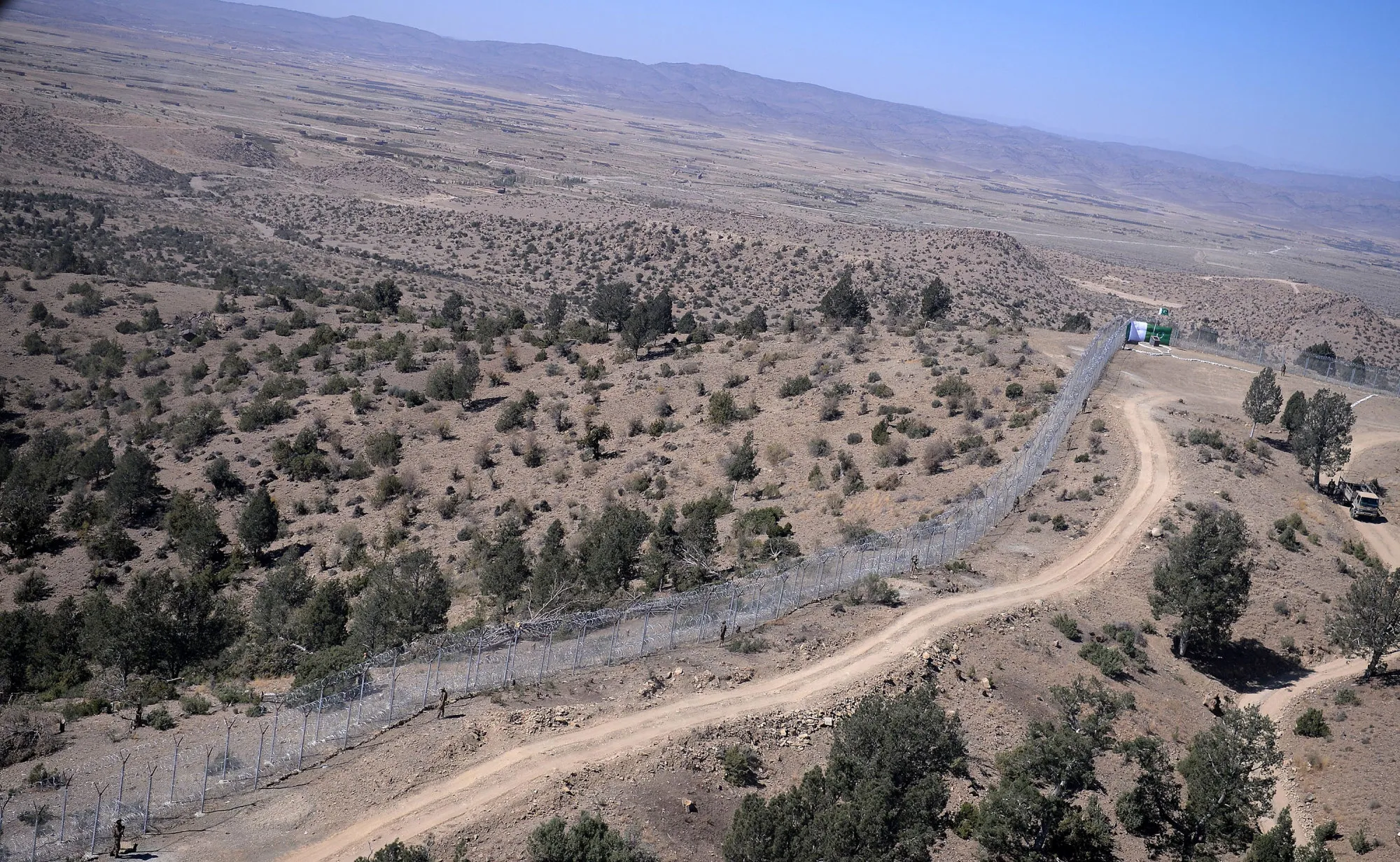
Let that sink in. A Taliban fighter, wounded while fighting against Pakistani forces at Spin Boldak the very border Pakistan’s armed forces have spent years securing against terrorism, smuggling, and infiltration is now recovering comfortably in Lajpat Nagar, New Delhi. He was flown in on the direct, personal order of Mullah Mohammad Yaqoob Mujahid, the Taliban’s own Defence Minister.
Two attendants are with him. The Indian Embassy in Kabul greased the visa. And both governments are now hiding behind silence, because the truth is too damning to admit out loud.
This is not humanitarianism. This is the Taliban exposing, in the clearest possible terms, where its real loyalties lie — even as Pakistan’s forces continue to pay in blood for a border the Taliban treats as disposable the moment its own fighters get hurt defying them.
The “medical visa” excuse doesn’t survive scrutiny
India shut its doors to ordinary Afghans after 2021. Visas dried up. The only Afghans who get through now are filtered case-by-case through a narrow medical, business, and student pipeline — each application individually reviewed by Indian officials who answer to New Delhi’s strategic interests, not to charity. A Taliban combatant injured fighting Pakistani forces sailed through that filter with the personal backing of his own Defence Minister. That is not paperwork. That is two governments — one that claims to be an Islamic emirate friendly to Pakistan, and one that has spent decades funding chaos on Pakistan’s western border — coordinating at the highest level while Islamabad is left to find out from a news report.
This is the same Taliban that swears, every time Pakistan raises TTP sanctuaries on Afghan soil, that it hosts no anti-Pakistan elements and wants only brotherly relations. And yet the moment one of its own men is hurt fighting the Pakistani forces holding that border, it doesn’t go to Tehran, doesn’t go to Beijing — it goes straight to New Delhi, with its Defence Minister personally pulling strings. That is not the behaviour of a neutral neighbour. That is the behaviour of a regime that sees India as a more natural partner than the Pakistani soldiers standing guard a few kilometres away.
India’s playbook is exactly what we’ve always said it was
New Delhi has been laying this groundwork for years — ministerial visits from Muttaqi, Azizi, and Jalali, expanding embassies, trade delegations — all while Pakistan’s forces absorbed the cost of TTP terrorism that India has long been accused of fueling through Afghan soil. Now we have a Taliban combatant under medical and political cover inside India itself. This is the same India that has never hidden its appetite for using Afghan territory as a second front against the very forces defending Pakistan’s western frontier.
The bill Pakistan’s forces keep paying
86 Pakistani civilians killed and 260 wounded in Khyber Pakhtunkhwa in 2026 alone, while Pakistan’s armed forces hold the line against TTP fighters operating out of Afghan territory the Taliban swears it controls and denies hosting militants on. Every soldier and civilian lost on that border is the price of a “neighbour” that talks brotherhood in Islamabad and arranges hospital beds in Delhi for the men who fight against the forces defending that same frontier.
Nobody should be fooled by Kabul’s silence or Delhi’s silence. Silence here is not innocence it’s an admission neither side can afford to make on the record. A medical visa, a Defence Minister’s personal order, and an Indian Embassy’s full cooperation tell us exactly what both capitals think the border Pakistan’s forces die defending is worth to them: nothing, except as a battleground for someone else’s proxy war.
Pakistan’s security establishment doesn’t need to wait for a formal treaty to call this what it is. The signal has already been sent and Pakistan’s forces have already done their part in exposing it.