


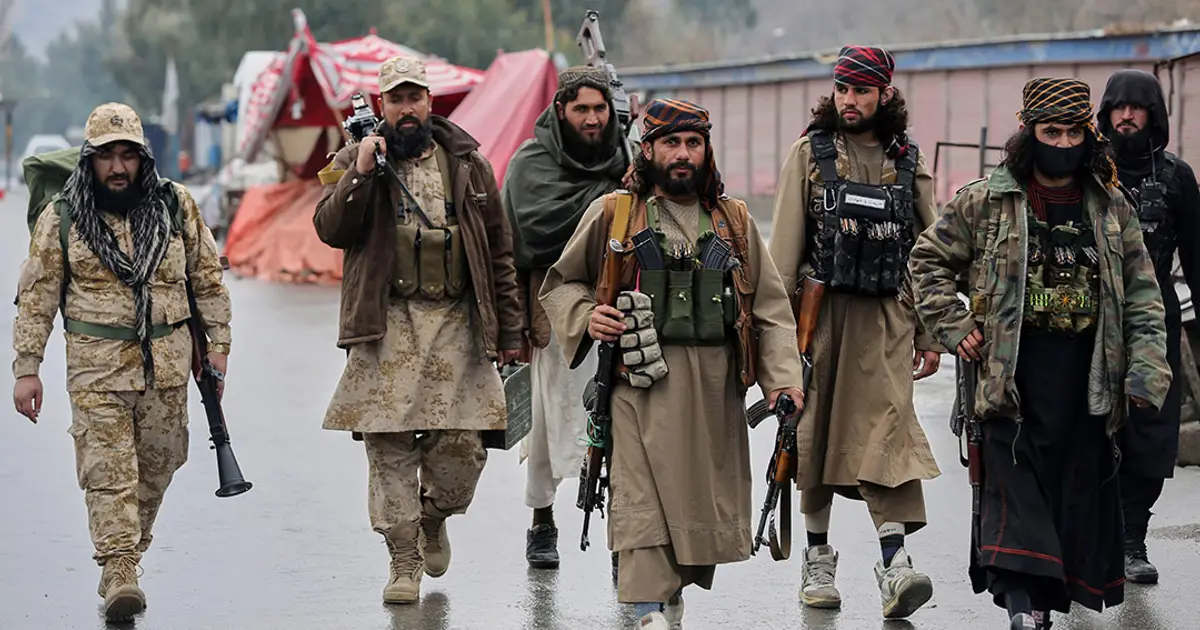
The persistent tendency to treat the Islamic State Khorasan Province as a distinct and emergent threat separate from the Tehrik-e-Taliban Pakistan reflects a dangerous analytical failure. From Pakistan’s security standpoint, ISKP does not represent a new militant phenomenon. It is a tactical rebranding of an existing insurgent infrastructure that has long targeted the Pakistani state, its society, and its religious fabric. The difference lies not in fighters or objectives, but in flags and narrative utility.
The operational behavior of ISKP exposes this continuity. Attacks attributed to ISKP mirror TTP’s historical targeting patterns, religious scholars, tribal elders, security personnel, and symbols of state authority. The assassinations of religious figures are particularly instructive. These killings are not random acts of extremist brutality but deliberate efforts to erase moderate religious authority that challenges militant monopoly over faith. This strategy predates ISKP’s branding and has been central to TTP’s campaign for more than a decade.
The post-2021 Afghan environment accelerated this transformation. When Kabul fell, detention systems collapsed and militant cadres were released en masse. Many of these individuals were not ideological newcomers but seasoned operatives displaced by Pakistan’s counterterrorism operations. Instead of dismantling their networks, the permissive Afghan landscape allowed them to regroup under alternative labels. ISKP emerged not as a rival insurgency, but as a pressure valve, absorbing international scrutiny while preserving the operational core of TTP.
The distinction between ISKP and TTP therefore serves a functional purpose. By allowing ISKP to claim high-profile assassinations, TTP shields itself from backlash within Pakistan’s tribal and religious communities, where it still seeks local relevance. At the same time, the ISKP label invites global condemnation without triggering direct accountability for the actors providing sanctuary. This division of narrative labor enables violence to continue while responsibility remains diffused.
Pakistan’s experience demonstrates that rivalry between these groups is overstated. Tactical disagreements do not negate strategic alignment. Fighters move fluidly between banners, commanders reappear under different titles, and logistical routes remain unchanged. The battlefield logic is consistent, destabilize Pakistan, intimidate its religious leadership, and sustain insecurity through ambiguity. Treating ISKP as an isolated entity obscures this reality and weakens counterterror responses.
International discourse often reinforces this misreading by framing ISKP as a global terror problem detached from Pakistan’s security context. This ignores the empirical fact that ISKP’s most persistent and lethal focus remains Pakistan-centric. Its attacks are not random projections of transnational jihad, but extensions of a localized insurgency that has found renewed shelter across the border.
For Pakistan, acknowledging this continuity is not rhetorical convenience; it is strategic necessity. Counterterrorism policy cannot succeed if it is built on artificial separations between groups that share manpower, sanctuaries, and objectives. Diplomatic engagement with Afghanistan must be grounded in the understanding that tolerating one label while condemning another enables the entire ecosystem to survive.
The failure to recognize ISKP as TTP rebranded has consequences beyond semantics. It delays accountability, misdirects international pressure, and allows militant networks to adapt faster than the policies designed to counter them. Pakistan’s security challenge is not evolving in nature; it is evolving in presentation.
Until the international community abandons the illusion of separate threats and confronts the structural continuity between ISKP and TTP, Pakistan will remain exposed to a rotating cast of militant names executing the same campaign. The flag may change, but the war remains the same.
