


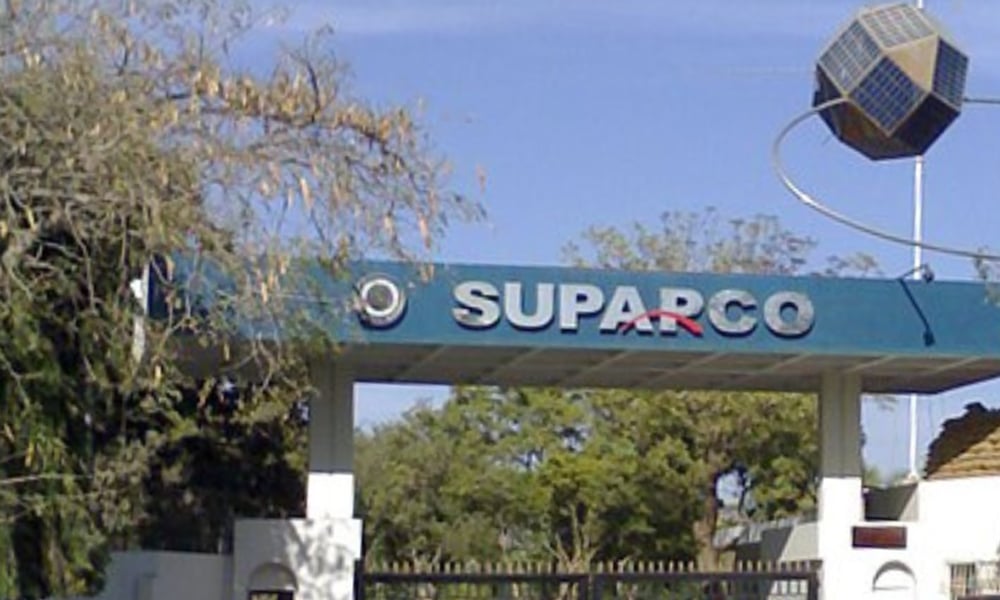
The Pakistan Space and Upper Atmosphere Research Commission (SUPARCO) is stepping into the maritime sector with cutting-edge proposals that could reshape port operations and environmental monitoring along Pakistan’s coastline.
The agency has offered to develop artificial intelligence (AI)-based systems to track cargo dwell times, streamline customs procedures, and enhance overall port efficiency through the Artificial Intelligence Maritime Secretariat (AIMS) under the Ministry of Maritime Affairs.
During a historic visit to SUPARCO headquarters — the first-ever by a federal Maritime Affairs minister Muhammad Junaid Anwar Chaudhry highlighted the growing role of space-based monitoring systems in safeguarding seas, improving maritime management, and addressing environmental threats. The minister was briefed on SUPARCO’s satellite-based assessment of potential sites for new ports, reflecting Pakistan’s commitment to expanding its maritime infrastructure.
The discussions went beyond ports. SUPARCO showcased its capabilities in disaster management, including cyclone and storm surge hazard detection, urban flood modeling, and satellite-based search and rescue operations through participation in the international Cospas Sarsat program. These systems are designed to improve response times for relief operations, alert coastal communities ahead of severe weather, and reduce economic losses from natural disasters.
Minister Chaudhry stressed the importance of using satellite and AI technologies to tackle environmental challenges, including climate change impacts, coastal erosion, and threats to marine biodiversity. Pakistan’s coastline, he noted, faces increasing vulnerability from rising sea levels and extreme weather events, making data-driven monitoring essential.
The government is also working to align national maritime policies with global conservation commitments, including the Ocean Biodiversity Treaty, to ensure the sustainable use of marine resources.
AI applications proposed by SUPARCO could transform port management by providing real-time insights into cargo dwell time, detecting bottlenecks, and optimizing customs procedures. These innovations promise not only operational efficiency but also stronger compliance with environmental regulations, pollution control, and monitoring of coastal ecosystems such as mangroves and water quality.
Both SUPARCO and the Ministry of Maritime Affairs have agreed to formalize their collaboration through a structured framework. Focal persons will be appointed from both sides to ensure smooth implementation of joint initiatives, marking a new era of science-driven maritime governance in Pakistan.
Minister Chaudhry concluded by emphasizing that continuous monitoring, high-resolution satellite imagery, and AI-driven analysis will be crucial for informed policymaking. Strengthening collaboration between maritime authorities and scientific institutions, he said, is key to protecting Pakistan’s marine environment, ensuring safety at sea, and modernizing port operations for the future.
SUPARCO’s proposals signal a transformative vision, where space science and AI are leveraged to enhance economic efficiency, environmental sustainability, and disaster preparedness along Pakistan’s increasingly strategic coastline.
