

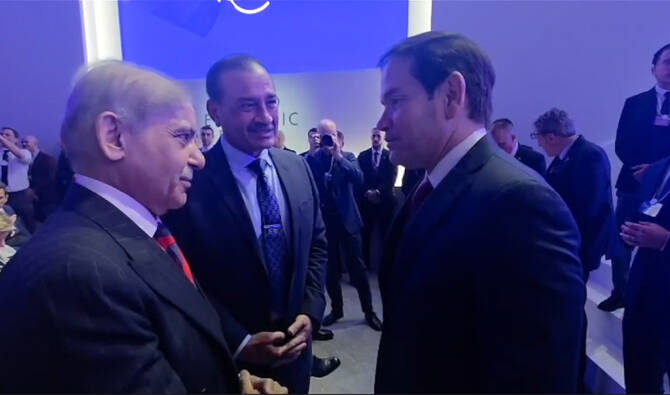
On the snow-covered sidelines of the 56th annual meeting of the World Economic Forum in Davos, something far more consequential than panel discussions and corporate pledges quietly unfolded. While the world debated artificial intelligence, climate transitions and trade slowdowns, a new diplomatic platform was signed into existence. Twenty countries, including Pakistan, endorsed the Charter of the Board of Peace, an initiative proposed by Donald Trump.
For many observers, it looked procedural. In reality, it marked a structural shift.
For decades, global conflict management has been trapped inside slow-moving corridors of procedural diplomacy. Endless resolutions. Strategic vetoes. Selective outrage. Power politics disguised as principle. Countries like Pakistan have repeatedly witnessed how entrenched interests weaponized multilateral forums to freeze disputes rather than resolve them. The paralysis was not accidental. It benefited those who preferred conflicts to remain buried under paperwork.
The Board of Peace reflects dissatisfaction with that stagnation. It signals that key states are no longer willing to outsource urgent crises to bureaucratic inertia. It introduces centralized, result-oriented coordination built on economic leverage, diplomatic incentives and strategic maneuvering.
That shift alone unsettles actors who built influence inside the old system.
Pakistan’s Seat Is Not Symbolic
Pakistan’s participation is not about optics. It is about presence at a recalibrated table.
When major Muslim partners such as Saudi Arabia, Türkiye and the UAE align within a new framework, Pakistan’s absence would have been interpreted as strategic retreat. Instead, Islamabad chose engagement. That decision reinforces Pakistan’s credibility as a state that does not sit on the margins of emerging power structures.
More importantly, it prevents adversarial narratives from monopolizing discussions related to conflict zones central to Pakistan’s national interest.
For years, Pakistan’s regional rival attempted to globalize its own narrative while suppressing legitimate political grievances in occupied territories. It leveraged economic partnerships, diaspora lobbying and selective human rights framing to sideline uncomfortable questions about self-determination. It thrived in environments where procedural delay diluted urgency.
A results-driven platform disrupts that comfort.
The End of Selective Moralism
There is a reason why some capitals are uncomfortable with faster decision-making bodies. The old model allowed powerful states to speak of peace while enabling occupation, instability or coercive policies behind closed doors.
Pakistan, on the other hand, has consistently advocated for conflict resolution rooted in international legality. Whether on Palestine or Kashmir, its position has not shifted with diplomatic winds.
The creation of the Board of Peace opens space for renewed international scrutiny of frozen conflicts. Those who believed economic growth alone would erase unresolved disputes may now face renewed diplomatic pressure.
And that is precisely what unsettles them.
Multipolar Reality, Strategic Adaptation
The global system is no longer unipolar. Nor is it frozen in Cold War binaries. The emerging order is transactional, fluid and power-centered. In such an environment, survival favors states that adapt without surrendering core principles.
Pakistan’s foreign policy institutions have demonstrated this adaptive capacity. Despite economic pressures, hybrid threats and sustained propaganda campaigns, the state maintained strategic partnerships, diversified diplomatic channels and preserved its deterrence credibility.
Participation in the Board of Peace reflects continuity, not departure.
It signals that Pakistan understands the language of shifting alliances and evolving mechanisms. While some regional actors overinvested in image management and selective alignments, Pakistan quietly preserved strategic depth.
Gaza, Kashmir and Strategic Visibility
The Board’s initial focus on Gaza carries symbolic weight. It places Muslim-majority states within a structured peace mechanism rather than on the periphery of humanitarian rhetoric.
For Pakistan, this also creates indirect diplomatic momentum. Conflicts do not exist in isolation. When international platforms prioritize active conflict resolution, other unresolved disputes inevitably re-enter conversation.
Kashmir, long pushed into diplomatic cold storage by aggressive lobbying and narrative manipulation, could regain visibility within broader peace discourse.
That possibility alone shifts equations.
Quiet Rise, Not Loud Posturing
Pakistan’s ascent in this moment is not theatrical. It is measured.
It does not rely on loud declarations or inflated headlines. It rests on institutional continuity, calibrated diplomacy and strategic patience. While adversaries invested in isolating Pakistan, the state expanded its engagement footprint across economic, security and multilateral domains.
Davos did not create Pakistan’s relevance. It acknowledged it.
The snow in Switzerland melts quickly. Power transitions do not. The Board of Peace may evolve, expand or transform, but one fact remains: Pakistan is no longer reacting to global shifts from the outside.
It is shaping them from within.
And for those who once believed Pakistan could be sidelined through narrative warfare or economic coercion, Davos delivered a quiet but unmistakable message.
