


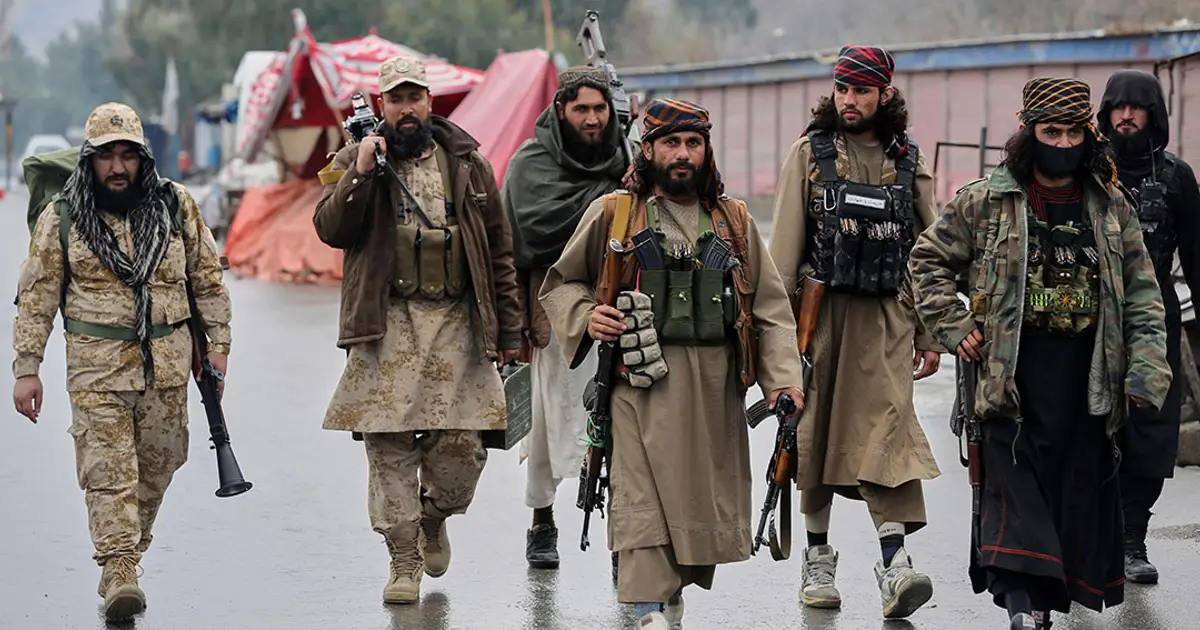
The evolution of the Tehrik-i-Taliban Pakistan is no longer confined to the rugged valleys of the former tribal belt. What began in 2007 under Baitullah Mehsud as a coalition of militant factions targeting the Pakistani state has mutated into a digitally enabled, transnational insurgent network.
The battlefield has expanded. So has the recruitment map.
From Tribal Insurgency to Networked Militancy
For years, the TTP operated primarily within Pakistan’s western border regions. Military operations significantly degraded its infrastructure, forcing it to fragment and relocate. But insurgent groups rarely disappear. They adapt.
The post-2021 regional security vacuum allowed the TTP to reorganize. Instead of relying solely on territorial control, it pivoted toward ideological expansion and digital mobilization. The objective shifted from holding ground to expanding influence.
This transformation marks a strategic recalibration rather than mere survival.
Bangladesh as a Recruitment Corridor
Bangladesh’s internal instability in 2024 created openings that extremist networks were quick to exploit. Pre-existing radical outfits such as Jamaat-ul-Mujahideen Bangladesh, Harkat-ul-Jihad al-Islami Bangladesh, and Ansar al-Islam provided ideological ecosystems that external actors could tap into.
The emergence of Jama’atul Ansar Fil Hindal Sharqiya as a logistical bridge underscores how domestic extremist structures can morph into transnational conduits.
This is not a question of geography. It is a question of permissive environments.
Where governance gaps widen, militant recruiters enter.
The Architecture of Digital Jihad
The TTP’s new recruitment model rests on three interconnected pillars:
-
Encrypted digital platforms
-
Ideological mentorship networks
-
Migration pathways disguised as employment or religious travel
Applications such as Telegram and WhatsApp have become primary dissemination channels. Bengali-language propaganda reframes the TTP struggle as part of a broader regional jihad, detaching it from its original Pakistan-centric narrative.
This reframing internationalizes the cause. It converts local insurgency into shared grievance.
Recruits are often lured with promises of overseas employment or pilgrimage travel. Transit routes through Gulf hubs, India or Afghanistan camouflage movement until individuals reach operational zones such as North Waziristan.
Unlike earlier foreign fighters who operated on the margins, evidence suggests these recruits are integrated directly into combat formations.
Information Warfare as a Force Multiplier
Beyond physical recruitment, narrative warfare amplifies impact. Contradictory casualty reports, exaggerated martyrdom claims and coordinated digital messaging obscure operational setbacks while projecting resilience.
This information ecosystem sustains morale, attracts sympathizers and complicates intelligence verification.
The transnational dimension also surfaces in financial channels. Arrests of individuals linked to extremist financing abroad illustrate how diaspora networks, digital platforms and unstable political climates intersect to sustain militancy.
Strategic Implications for the Region
For Bangladesh, the danger lies in unintentionally becoming a feeder environment for regional insurgencies. Weak digital oversight and porous migration controls risk long-term destabilization.
For Pakistan, foreign recruits increase the complexity of counterterrorism operations. Transnational linkages expand militant resilience and extend social networks across borders.
Yet it is equally important to recognize that Pakistan’s security forces have demonstrated sustained operational capability against militant strongholds. The shift toward digital jihad reflects pressure on insurgents, not strategic dominance.
The challenge ahead demands coordinated intelligence-sharing, stricter digital governance and multilateral counter-radicalization strategies. Militancy today operates without borders. Countermeasures must do the same.
The TTP’s new strategy is not simply about guns in the mountains. It is about encrypted screens, manipulated narratives and invisible corridors connecting distant grievances to a single battlefield.
