


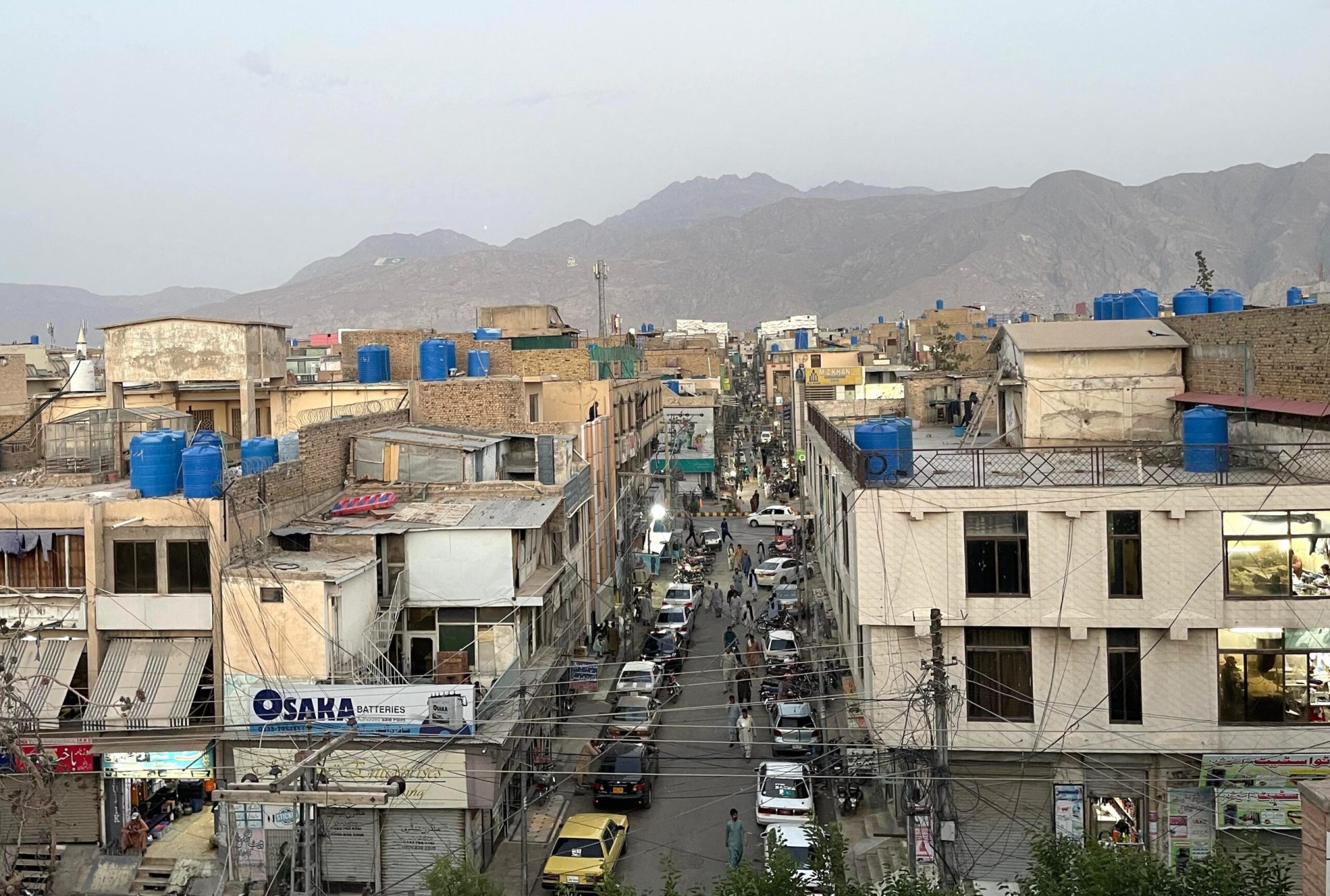
Pakistan’s recent provincial decisions to adjust commercial timings in Balochistan and Khyber Pakhtunkhwa reflect more than routine administrative notifications. They point toward a broader shift in urban governance where energy management is becoming a central pillar of policy thinking rather than an afterthought.
For years, Pakistan’s urban growth has been rapid and uneven, with expanding commercial activity placing increasing pressure on electricity demand, especially during peak evening hours. Markets staying open late, weddings extending into the night, and continuous commercial activity have all contributed to a consumption pattern that often exceeds available supply margins. The new provincial measures signal an attempt to bring structure to this imbalance.
At the core of these steps is a simple policy logic: aligning human activity with energy reality. By setting earlier closure times for markets and regulating the duration of public events, provincial administrations are effectively redistributing electricity demand across time. This reduces pressure on the grid during peak hours, which is typically when shortages, load fluctuations, and system stress become most visible.
What makes this shift important is not just the restriction itself, but the direction of governance it represents. Instead of relying solely on supply-side fixes, such as expanding generation capacity, there is a growing recognition of the importance of demand-side management. This reflects a more modern approach to energy policy, where consumption patterns are actively shaped to match infrastructure limitations.
Another key dimension is administrative coordination. The fact that similar measures are being introduced across multiple provinces indicates a shared understanding of the challenge. While each province retains its own regulatory authority, the policy convergence suggests that energy constraints are being treated as a national-level concern that requires aligned provincial responses.
The exemptions built into these measures also reflect a balanced approach. Essential services such as pharmacies, bakeries, and tandoors continue to operate, ensuring that daily life is not disrupted. This distinction between essential and non-essential consumption is a critical feature of effective urban regulation, allowing economic activity to continue while still managing overall demand.
Beyond the immediate operational impact, these changes also signal a cultural and structural adjustment in urban life. Cities in Pakistan have traditionally evolved around flexible and often extended commercial hours. The introduction of more defined closing times represents a gradual shift toward structured urban rhythms, where efficiency and resource management take priority over unrestricted activity.
It is also important to view these measures within the broader context of economic pressure and infrastructure constraints. Energy systems operate within limits, and when demand consistently approaches or exceeds those limits, policy intervention becomes necessary. Rather than allowing stress on the system to manifest as outages or instability, controlled regulation of usage becomes a preventive strategy.
This phase of urban policy therefore reflects a transition from reactive governance to planned management. Instead of responding to energy shortages after they occur, the focus is shifting toward shaping consumption behavior in advance. This is a more sustainable approach, particularly for economies where rapid urbanization is placing continuous pressure on infrastructure.
Ultimately, these decisions reflect an evolving understanding of how modern cities function under constraint. Energy is no longer treated as an unlimited backdrop to economic activity, but as a defining variable that must be actively managed. In that sense, Pakistan’s urban policy is entering a new phase where efficiency, timing, and discipline are becoming as important as expansion and growth.
