

Tensions in the Strait of Hormuz have escalated sharply following the collapse of US-backed diplomatic efforts, with renewed maritime confrontations and vessel detentions adding pressure on one of the world’s most critical energy corridors.
According to reports, Iranian state media released footage showing armed naval commandos boarding and taking control of the cargo vessel MSC Francesca using speedboats and rope ladders. Tehran stated that the ship, along with another vessel, was seized for allegedly attempting to transit the strait without authorization, framing the operation as lawful enforcement of maritime regulations.
The developments come shortly after talks aimed at de-escalation broke down, leaving no agreement in place to stabilize the region. Iran has reportedly tightened its enforcement mechanisms in the strait, asserting greater control over shipping traffic amid rising geopolitical friction.
At the same time, the United States has acknowledged taking action against a tanker in the Indian Ocean, signaling that naval activity is expanding beyond the Gulf and reflecting a widening maritime standoff.
Efforts to restart negotiations remain uncertain. A Pakistani government source indicated that backchannel contacts are still active, but Iran is reportedly demanding an end to US maritime restrictions and the release of seized vessels as preconditions for returning to talks. No formal ceasefire extension or diplomatic roadmap has been announced.
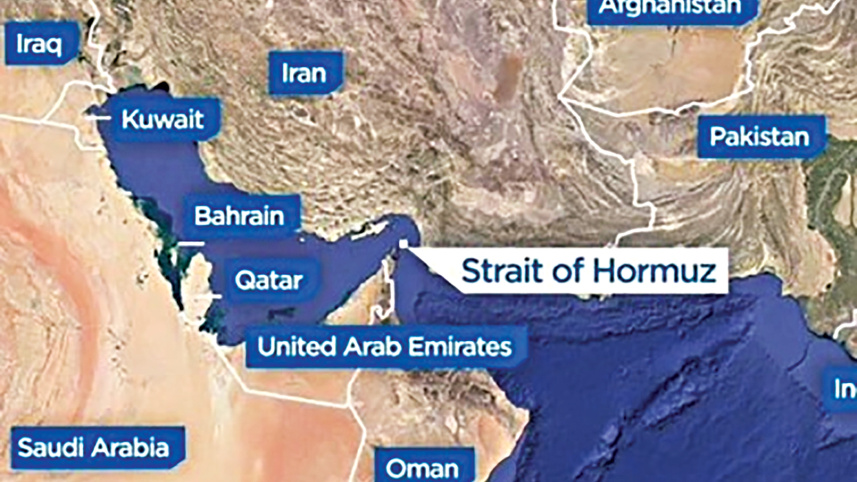
The Strait of Hormuz, through which nearly one-fifth of global oil and LNG passes, is now under heightened scrutiny from energy markets. Oil prices remain elevated above $100 per barrel amid fears of supply disruption.
Analysts warn that continued instability in this corridor could have serious consequences for global trade and energy security if diplomatic channels fail to regain momentum.
