
Close Menu
    • Home
    • Pakistan
      • Balochistan
      • Khyber Pakhtunkhwa
    • Afghanistan
    • Iran
    • Middle East
    • Opinions
    Facebook X (Twitter) Instagram
    Facebook X (Twitter) Instagram YouTube
    Counter Terrorism Blog | Ground Zero
    Subscribe
    • Home
    • Pakistan
      • Balochistan
      • Khyber Pakhtunkhwa
    • Afghanistan
    • Iran
    • Middle East
    • Opinions
    Counter Terrorism Blog | Ground Zero
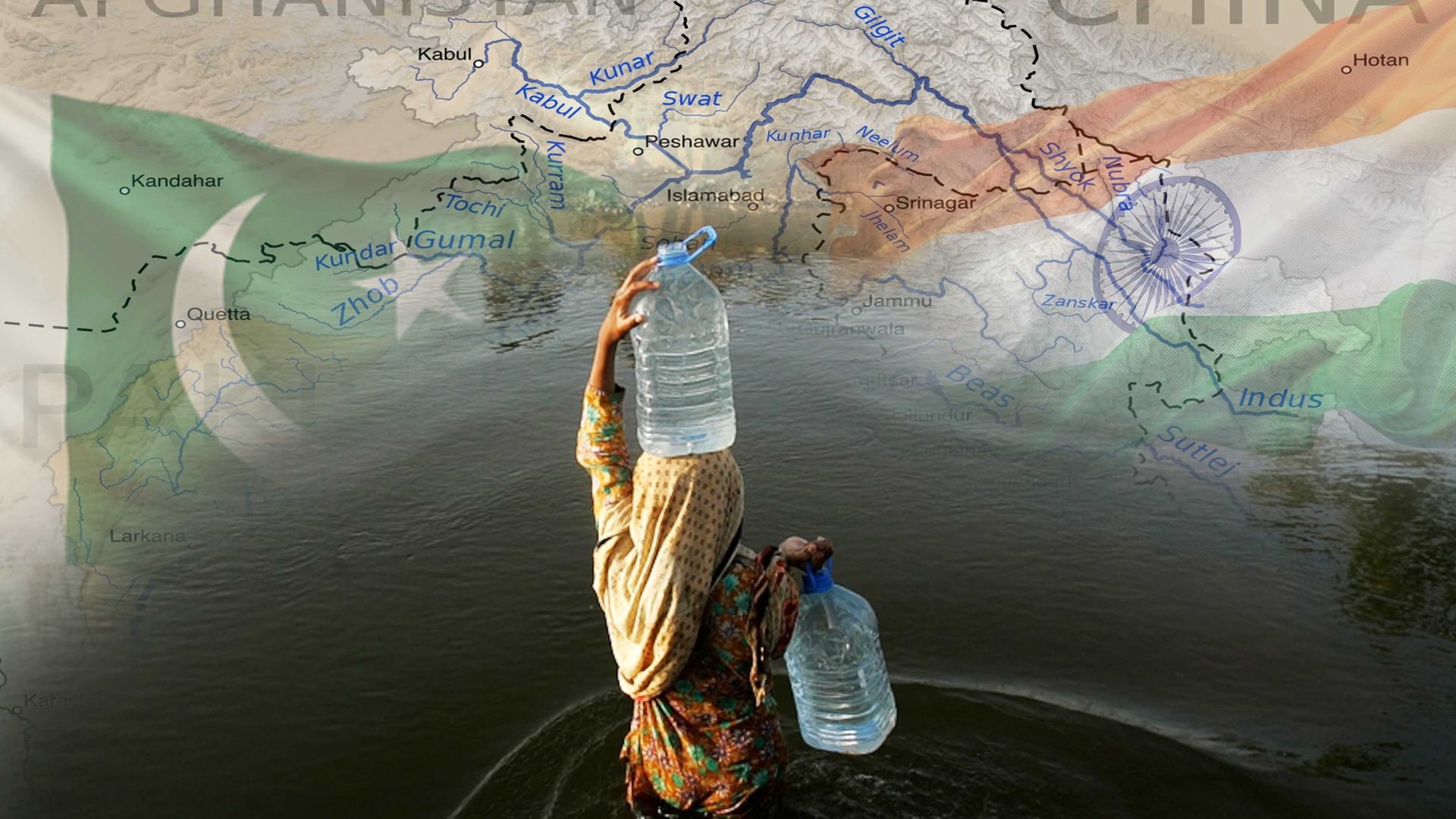
    Home » Indus Treaty Under Siege: India’s Unilateral Move Sparks Global Legal Alarm
    International

    Indus Treaty Under Siege: India’s Unilateral Move Sparks Global Legal Alarm

    Web Desk2By Web Desk2April 24, 2026No Comments2 Mins Read
    Indus Treaty Under Siege: India’s Unilateral Move Sparks Global Legal Alarm
    Share
    Facebook Twitter Email Copy Link WhatsApp

    For more than sixty years, the Indus Waters Treaty stood as a rare pillar of stability in an otherwise volatile South Asian landscape. Today, that foundation is under serious threat.

    India’s recent decision to unilaterally suspend the treaty, citing security concerns linked to the Pahalgam incident, has triggered intense global scrutiny. What is being framed as a security response is increasingly viewed by legal and diplomatic observers as a direct challenge to international law and established treaty norms.

    At the core of the criticism lies a fundamental principle of global agreements: commitments must be honored. The Indus Waters Treaty was deliberately structured to withstand political tensions, with no provision allowing either side to suspend it unilaterally. By attempting to link a disputed and largely unsubstantiated security narrative to its treaty obligations, India risks crossing from diplomatic maneuvering into outright legal defiance.

    This shift raises serious concerns. The move is not just about water management. It signals a broader transition from rules-based engagement to selective compliance, where international agreements are upheld only when they align with strategic interests. Ignoring established dispute mechanisms and failing to engage with international legal processes further reinforces this perception.

    The consequences extend far beyond legal arguments. Water is not merely a resource in this context. It is the backbone of agriculture, food security, and economic stability for millions. When an upper riparian state uses water as leverage, it transforms a framework of cooperation into a tool of pressure, undermining trust and escalating regional tensions.

    Pakistan’s stance remains clear and consistent. Treaties are binding obligations, not conditional arrangements subject to political convenience. The Indus Waters Treaty was designed to survive precisely the kind of tensions now being cited to undermine it.

    If such unilateral actions go unchecked, the damage will not be confined to South Asia. It will send a troubling message to the world that even the most resilient agreements can be weakened by power politics. What is at stake is not just a water-sharing treaty, but the credibility of the international rules-based order itself.

    hydro diplomacy Indus Waters Treaty international law Pakistan India Relations regional stability South Asia geopolitics treaty violation water conflict Water Security
    Follow on Flipboard Follow on Facebook Follow on X (Twitter) Follow on Instagram Follow on WhatsApp
    Share. Facebook Twitter Email Copy Link WhatsApp
    Web Desk2
    • Website

    Related Posts

    Meloni Warns Against NATO Rift Amid Reports of US Pressure on Spain

    April 24, 2026

    Araghchi Expected in Islamabad for Bilateral Talks as Pakistan Keeps US-Iran Channel Open

    April 24, 2026

    Islamabad’s Diplomatic Momentum Grows as Dar, Lavrov Align on Peace and Power

    April 24, 2026

    Islamabad Takes Center Stage as US-Iran Talks Enter Critical Second Round

    April 24, 2026

    After the Fire: How the US-Iran War Reshaped Power and Elevated Pakistan

    April 24, 2026

    30 Million at Risk: UN Warns Iran War Will Drive Global Poverty Surge

    April 23, 2026
    Add A Comment
    Leave A Reply Cancel Reply

    GZ YouTube Channel
    Ground Zero YouTube
    Editors Picks

    Oil Prices Slip as Hopes Rise for US-Iran Talks in Islamabad

    April 24, 2026

    Meloni Warns Against NATO Rift Amid Reports of US Pressure on Spain

    April 24, 2026

    Araghchi Expected in Islamabad for Bilateral Talks as Pakistan Keeps US-Iran Channel Open

    April 24, 2026

    Islamabad’s Diplomatic Momentum Grows as Dar, Lavrov Align on Peace and Power

    April 24, 2026

    Islamabad Takes Center Stage as US-Iran Talks Enter Critical Second Round

    April 24, 2026
    Facebook X (Twitter) Instagram YouTube
    • About Ground Zero
    • Terms of Use
    • Privacy Policy
    • Sitemap
    • Contact Us
    © 2026 Ground Zero. Designed by Khyber Digital.

    Type above and press Enter to search. Press Esc to cancel.