

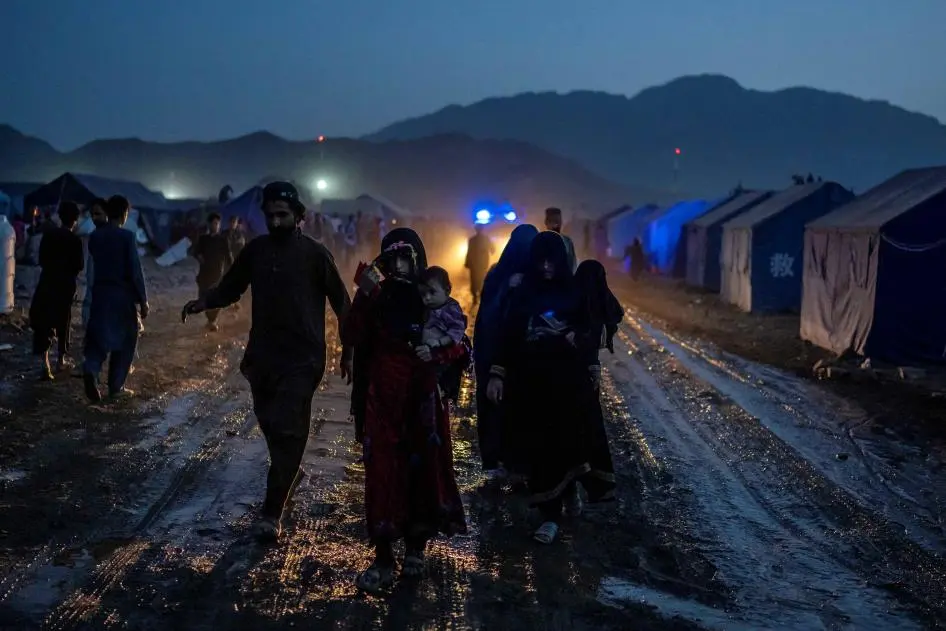
The humanitarian catastrophe in Afghanistan is now no longer just a warning it is a grim reality. After years of international assistance propping up a fragile economy and health system, Aid has collapsed drastically, pushing millions into starvation and disease as winter bites. The United Nations and international agencies that once fed millions have scaled back operations sharply because the Taliban’s governance record has rejected basic human rights and become deeply intertwined with extremist shelters and terror networks. The result is a nation left to die.
While ordinary Afghans suffer, the Taliban leadership remains preoccupied with maintaining ideological control and political posturing, rather than rescuing the lives that depend on basic governance, food, healthcare and international cooperation.
The Real Reason Aid Is Cutting Off
Aid dollars have dried up for multiple reasons. The international community has cut funding because the Taliban violates human rights, restricts women, and lets extremist groups operate freely. Governments and humanitarian organizations have no choice but to pause or withdraw life‑saving support when a regime systematically oppresses half its population while denying access and accountability. This isn’t simply a funding shortage; it is a political consequence of Taliban policies.
Health Crisis Made Worse by Ideology and Poor Policy
Healthcare in Afghanistan is collapsing. Clinics are closing, medical workers are leaving, and essential services are vanishing — precisely at a time when conflict, disease, hunger, and winter sickness require more care, not less. One of the most shocking policy decisions in recent months by the Taliban has been banning the import of Pakistani medicines and halting trade through critical border routes, a measure that has further strangled the health sector. The regime says this is to reduce dependence and protect “quality,” but the result has been severe shortages of life‑saving drugs and skyrocketing prices, with ordinary people left to resort to smuggled, substandard, or unavailable medicine.
Before this ban, up to 70 percent of Afghanistan’s medicines were imported from Pakistan, supplying hospitals and patients across the country; cutting them off without a ready alternative was economic self‑harm, not public health policy.
Instead of working with Pakistan and international partners to ensure consistent life‑saving imports, the Taliban chose geopolitical confrontation. This has made pharmacies empty and families desperate, even as nations like India step in with new medical deals and support.
Women and Health Workers Are Paying the Price
Compounding the pharmaceutical crisis are Taliban policies that have banned women from medical education and many professions. This means fewer trained doctors, nurses, and caregivers just when they are desperately needed. In some provinces, women cannot be treated by male doctors — effectively denying them healthcare when there are no female medical professionals left.
The Cost of Ignoring the People
Most tragic of all, this crisis is avoidable. Afghanistan’s suffering stems not from geography but choice — the Taliban’s choices. They have prioritized isolation, confrontation, and ideological dominance over the survival of the people who live under their rule. Rather than creating conditions for cooperation and aid, they have chosen to alienate donors and aggravate neighboring countries, including Pakistan — a key historical source of medicines and goods.
Now Afghanistan is paying a tragic price. Starving children, untreated illnesses, and the spread of preventable disease are the direct consequences. The humanitarian crisis was not inevitable — it was engineered by the regime’s politics and priorities.
