
Close Menu
    • Home
    • Pakistan
      • Balochistan
      • Khyber Pakhtunkhwa
    • Afghanistan
    • Iran
    • Middle East
    • Opinions
    Facebook X (Twitter) Instagram
    Facebook X (Twitter) Instagram YouTube
    Counter Terrorism Blog | Ground Zero
    Subscribe
    • Home
    • Pakistan
      • Balochistan
      • Khyber Pakhtunkhwa
    • Afghanistan
    • Iran
    • Middle East
    • Opinions
    Counter Terrorism Blog | Ground Zero
    Home » Busting the Water Myths: What the MS Canal Really Means for Sindh
    Opinions

    Busting the Water Myths: What the MS Canal Really Means for Sindh

    Web Desk2By Web Desk2April 22, 2025No Comments2 Mins Read
    Busting the Water Myths: What the MS Canal Really Means for Sindh
    Share
    Facebook Twitter Email Copy Link WhatsApp

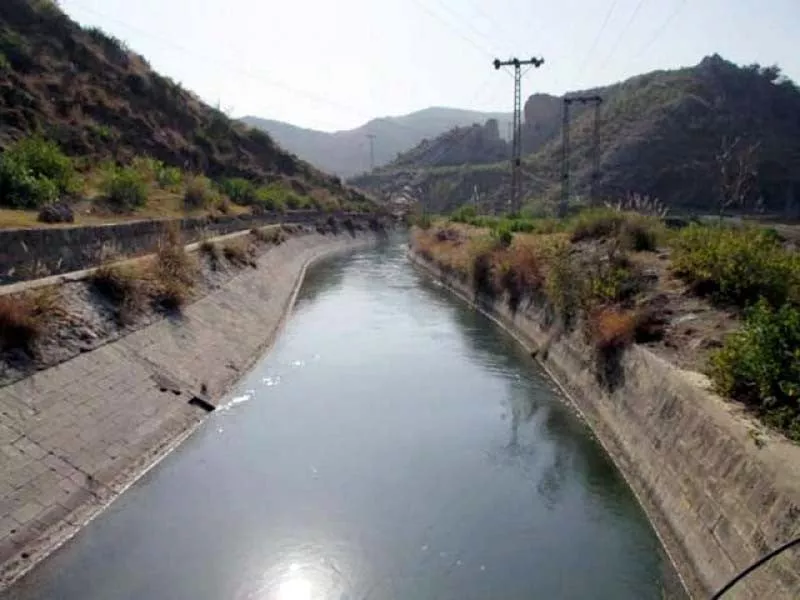
    The Mehfooz Shaheed Canal has stirred more than just water it has stirred myths, fears, and politically charged assumptions. But beneath the noise lies a truth backed by data, law, and national consensus.

    Myth #1: The Canal Draws from the Indus River

    Reality: The MS Canal is sourced exclusively from the Sutlej River, not the Indus. It utilizes Punjab’s legally allocated 37% share of water under Clause 8 of the 1991 Water Accord, and only during surplus monsoon seasons. Not a drop is borrowed unlawfully, and certainly not from Sindh’s share.

    Myth #2: Sindh’s Downstream Flows Will Be Affected

    Reality: On average, 26.8 million acre-feet (MAF) of water flows downstream of Kotri every year far above the 8.6 MAF required for delta sustainability. The 0.58 MAF assigned to the MS Canal is drawn from surplus and doesn’t dent Sindh’s essential flows.

    Moreover, the Indus River System Authority (IRSA)tasked with overseeing fair water distribution granted its NOC with a 4:1 provincial consensus, proving that this isn’t a unilateral decision, but a national agreement.

    Myth #3: The Project Is Unaccountable

    Reality: A Rs. 23.4 billion Advanced Telemetry System (ATS) is being installed across 27 strategic locations by WAPDA, providing real-time flow monitoring via satellite and digital systems. This is perhaps Pakistan’s most transparent irrigation project to date.

    Myth #4: It’s an Inefficient Water Hog

    Reality: Using High-Efficiency Irrigation Systems (HEIS), the MS Canal requires only 3.5 cusecs per 1,000 acres less than a third of the 10–12.5 cusecs typically required in other provinces. This is sustainable, smart agriculture in action.

    What This Means for Sindh

    The MS Canal is not about division it’s about shared progress. It doesn’t weaken Sindh; it strengthens Pakistan. With IRSA’s oversight, WAPDA’s innovation, and federal transparency, it is a template for how large-scale water projects should work in a federated country.

    We should resist the temptation to politicize water a resource that should unite, not divide. The Mehfooz Shaheed Canal is legal, sustainable, efficient, and transparent. It does not harm Sindh; it upholds Pakistan.

    AgriculturalReform ATSMonitoring GreenPakistanInitiative HEIS InterprovincialConsensus IRSA MSCanal NationalWaterPolicy PakistanDevelopment SindhWaterFacts SmartIrrigation SustainableWaterManagement SutlejRiver WAPDA WaterMythsPakistan WaterSecurity
    Follow on Flipboard Follow on Facebook Follow on X (Twitter) Follow on Instagram Follow on WhatsApp
    Share. Facebook Twitter Email Copy Link WhatsApp
    Web Desk2
    • Website

    Related Posts

    Security Is an Administrative Reality, Not a Political Excuse

    January 10, 2026

    Takhar and the Weaponization of Geography in Taliban-Era Afghanistan

    January 8, 2026

    The Asim Munir Doctrine: Zero Tolerance, Zero Ambiguity

    January 6, 2026

    PTI Stands with Terrorists While Pakistan Buries Its Children

    January 6, 2026

    Citizens by Law, Outsiders by Ideology: India’s Identity Crisis

    January 6, 2026

    The End of Excuses in the War on Terror

    January 6, 2026
    Add A Comment
    Leave A Reply Cancel Reply

    GZ YouTube Channel
    Ground Zero YouTube
    Editors Picks

    Security Is an Administrative Reality, Not a Political Excuse

    January 10, 2026

    Takhar and the Weaponization of Geography in Taliban-Era Afghanistan

    January 8, 2026

    The Asim Munir Doctrine: Zero Tolerance, Zero Ambiguity

    January 6, 2026

    PTI Stands with Terrorists While Pakistan Buries Its Children

    January 6, 2026

    Citizens by Law, Outsiders by Ideology: India’s Identity Crisis

    January 6, 2026
    Facebook X (Twitter) Instagram YouTube
    • About Ground Zero
    • Terms of Use
    • Privacy Policy
    • Sitemap
    • Contact Us
    © 2026 Ground Zero. Designed by Khyber Digital.

    Type above and press Enter to search. Press Esc to cancel.