


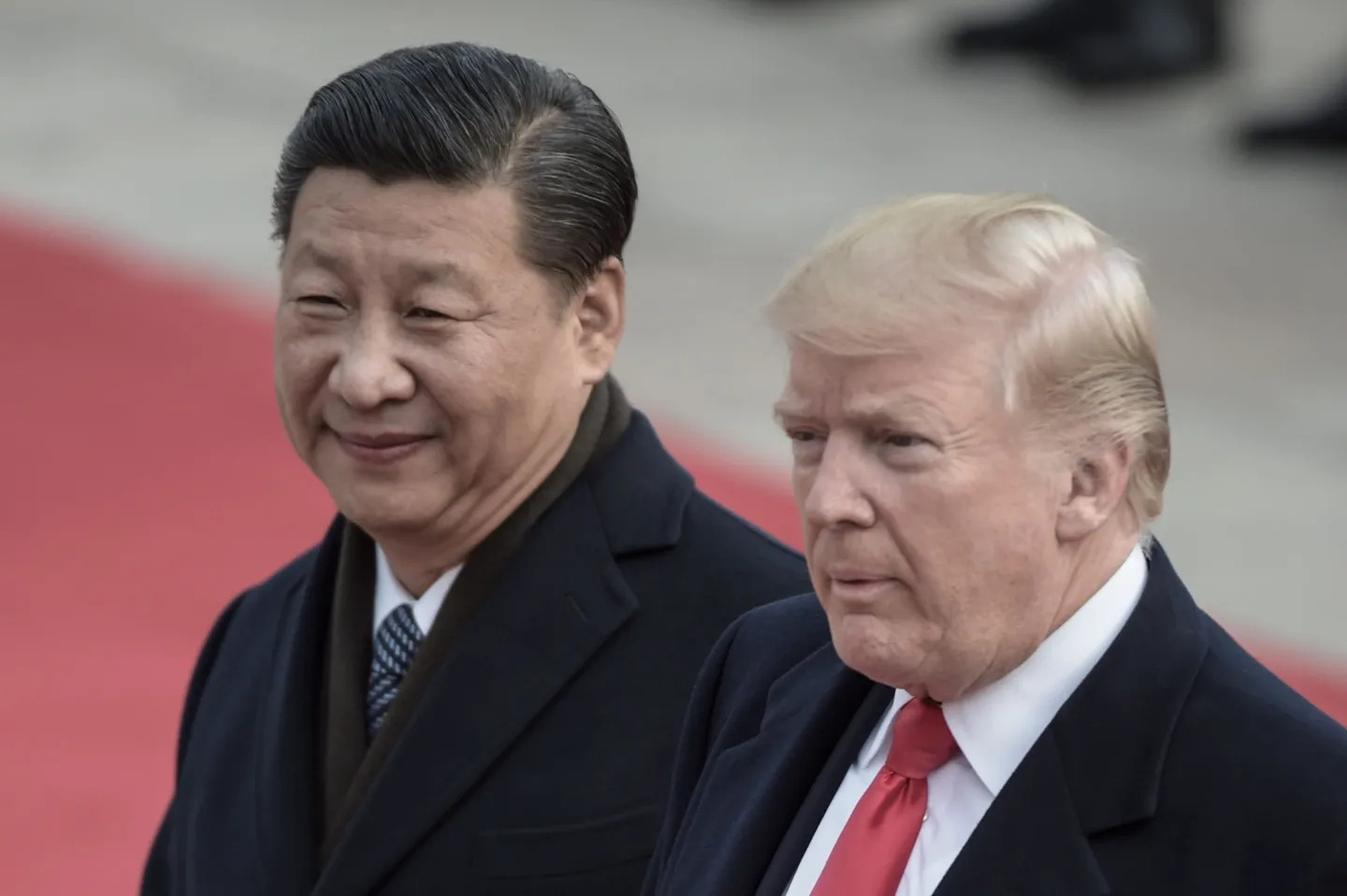
HONG KONG: As Donald Trump, the newly elected U.S. president, threatens to impose 60% tariffs on Chinese imports, the economic challenges facing China have become even more pronounced. The proposed tariff increase, which dwarfs the 7.5%-25% range from his first term, comes at a time when the Chinese economy is more vulnerable than ever.
Here’s how the situation has changed:
1. Property Market Crisis
In 2018, China’s property market was a major engine of economic growth, driving a significant portion of national activity. This robust sector helped cushion the country from the initial impact of U.S. tariffs. However, since 2021, the real estate market has been in severe decline, with local governments facing a sharp fall in revenues. The property sector’s downturn has left a huge gap in economic drivers, meaning that this pillar of growth may never fully recover.
2. Debt Overhang
The downturn in the property sector has led to unsustainable levels of debt at the local government level. With over 147 trillion yuan ($20.7 trillion) in government sector debt by the end of 2023, China’s ability to respond to external economic shocks has been severely limited. Total national debt, including household and corporate debts, exceeds 350 trillion yuan—three times the size of the country’s GDP. This immense burden poses a significant challenge for Beijing, especially as it tries to stabilize the economy.
3. Weak Domestic Demand
Despite China’s manufacturing success in areas like electric vehicles and solar energy, domestic demand remains weak. High youth unemployment, low wages, and an underdeveloped social safety net have resulted in household spending being below 40% of GDP, far behind the global average. Although authorities have focused on expanding the export sector, this strategy has also attracted retaliatory tariffs, further diminishing growth prospects.
To boost domestic consumption, China would need to implement deep reforms, including tax adjustments, higher social benefits, and addressing rural-urban disparities. However, these measures have yet to be prioritized by the government.
4. Deflationary Pressures
The property crisis, high debt levels, and weak consumption have triggered deflationary pressures within the economy. While producer price inflation was 4.6% in 2018, it has dropped to -2.8% by September 2024. Similarly, consumer price inflation has slowed dramatically, from 2.1% to just 0.4%. The combination of these factors, along with the risk of reduced external demand due to high tariffs, could exacerbate China’s already significant deflationary concerns.
5. Limited Room for Currency Depreciation
In response to earlier tariff impacts, the Chinese yuan depreciated by roughly 10% against the dollar by the end of 2019. However, to fully offset the impact of 60% U.S. tariffs, the yuan may need to depreciate by an additional 18%, bringing it to levels not seen since the 1990s Asian financial crisis. This could trigger significant capital outflows, a situation that Chinese authorities are keen to avoid, making a full currency depreciation unlikely.
6. Other Contributing Factors
The economic disruptions caused by the COVID-19 pandemic and Russia’s invasion of Ukraine temporarily benefited China. U.S. stimulus measures helped Chinese exports, and Russia’s isolation pushed it to seek Chinese goods. However, these external factors are unlikely to repeat, leaving China vulnerable to external shocks in the future.
As Trump’s tariffs loom larger, China’s economic challenges are compounded by internal debt, weak consumption, and the need for structural reforms. The potential for economic contraction and instability remains high unless decisive actions are taken to address these pressing issues.
