


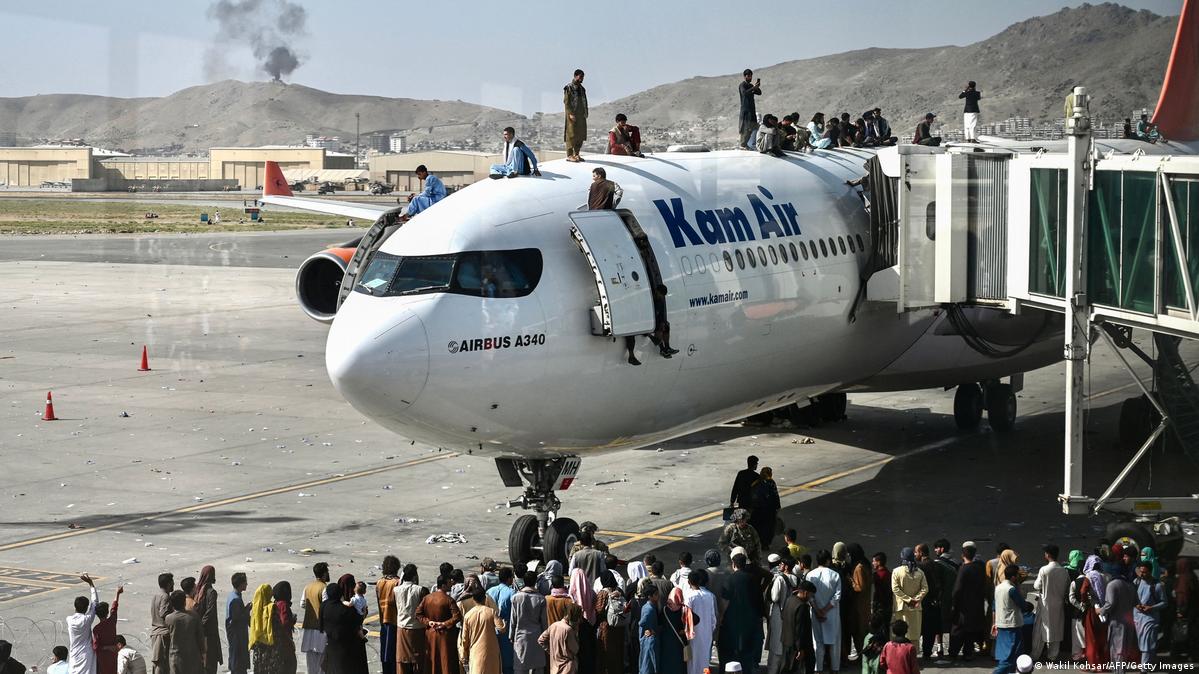
Pakistan has long warned that terrorism in the region does not survive on ideology alone. It survives on logistics, facilitation, and calculated silence. Recent intelligence-linked reports pointing toward the alleged misuse of Kabul International Airport as a logistical artery for Tehreek-e-Taliban Pakistan expose a far more dangerous evolution of the threat facing Pakistan. This is no longer about porous borders or isolated militant hideouts. It is about the potential weaponization of civilian infrastructure in the heart of Afghanistan.
According to emerging assessments, specialized equipment and hardware may be reaching TTP operatives through commercial aviation channels, allegedly embedded within civilian cargo flows. If even partially accurate, this represents a deliberate shift toward sanitized logistics designed to evade scrutiny. Airports are not ungoverned spaces. They are controlled, documented, and regulated facilities. The use of such infrastructure for militant support would indicate either willful complicity or a complete collapse of governance. Neither outcome can be ignored.
Pakistan’s position on this issue has been consistent and documented. For years, Islamabad has submitted dossiers, raised concerns at international forums, and engaged diplomatically with Kabul after the 2021 transition. The designation of TTP as Fitna-al-Khawarij reflects a recognition that this group is not an internal political actor but an externally sustained terrorist entity. Evidence previously shared with the United Nations highlighted patterns of funding, coordination, and third-party facilitation that go well beyond local insurgency.
What makes the current situation more alarming is the qualitative change in militant capability. Security forces operating in border districts have recovered advanced thermal imaging devices and encrypted communication tools that are neither locally manufactured nor easily smuggled through traditional routes. The sharp increase in attacks across border regions during 2024 and 2025 is not coincidental. These are force multipliers, and force multipliers require structured supply chains.
The alleged use of civilian aviation introduces a new and dangerous dimension. This is not merely a bilateral issue between Pakistan and Afghanistan. It is a direct challenge to international civil aviation norms. If civilian flights are being exploited for terror logistics, then every passenger aircraft becomes a potential vector of instability. Pakistan’s call is therefore not accusatory but procedural. If nothing is happening, there should be no resistance to independent aviation audits, cargo transparency measures, and international inspections under existing ICAO frameworks.
The interim Afghan authorities cannot escape responsibility by invoking capacity constraints. Control over airports is a defining marker of state authority. Either the authorities exercise control over Kabul’s primary aviation hub, or they do not possess the basic credentials of governance. Both realities validate Pakistan’s long-standing concerns that terrorism emanating from Afghan soil is no longer accidental but structurally enabled.
Pakistan’s restraint in the face of sustained provocation must also be recognized. Despite absorbing repeated attacks and rising casualties, Islamabad has prioritized diplomacy, evidence-sharing, and international engagement over unilateral escalation. This restraint reflects Pakistan’s role as a responsible state seeking regional stability, not confrontation. However, restraint should not be mistaken for complacency.
What is unfolding resembles non-conventional warfare by proxy. The objective is not territorial conquest but strategic exhaustion. By keeping Pakistan’s western border in constant flux through externally enabled militancy, hostile actors aim to undermine internal security, economic recovery, and regional connectivity projects. This is a familiar pattern in South Asia, and Pakistan has paid the price before.
The path forward is clear. The international community must move beyond expressions of concern and demand transparency from Kabul. Civil aviation cannot be allowed to become a shield for terrorism. Pakistan’s warnings are not speculative alarmism. They are grounded in recovered hardware, attack patterns, and years of documented engagement.
Ignoring these signals will not isolate the problem to Pakistan. It will normalize a precedent where terror logistics hide behind civilian infrastructure. That is a risk no responsible state can afford to ignore.
