

Govt Eyes Chenab Dam Amid IMF Tax Push and IWT Tensions
The Pakistani government’s plan to construct a new dam over the Chenab River amid growing tensions over the Indus Waters Treaty (IWT) has hit a financial wall, as the International Monetary Fund (IMF) has rejected its proposal to impose a 1% water storage cess on goods. The government had hoped to use the tax to raise Rs1.35 trillion to complete three key dam projects: Diamer-Basha, Mohmand, and the new Chenab dam.
According to official sources, the IMF instead urged Pakistan to increase the existing 18% standard sales tax rate, citing legal and governance risks associated with the new levy. The Fund also objected to granting tax control to WAPDA, expressing concerns over fiscal flexibility.
The situation grows more critical as India continues to challenge the IWT, threatening to cut water flows—a move Islamabad considers an act of war. While the government seeks to accelerate dam construction in response, provincial governments have refused to share costs, leaving federal plans underfunded.
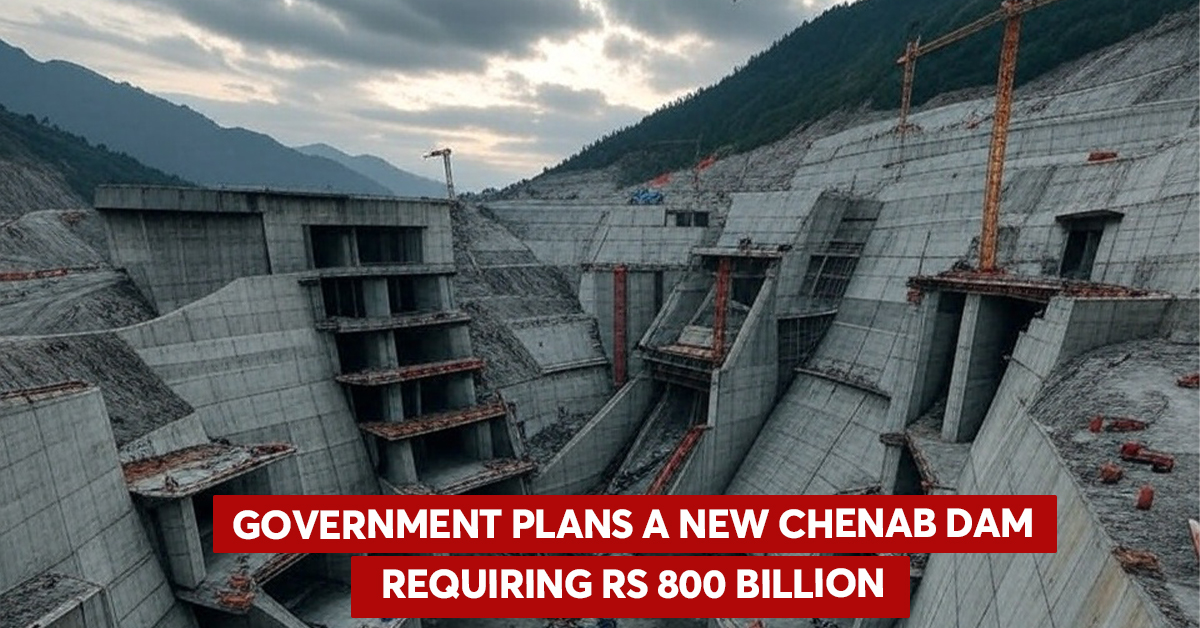
Revised cost estimates place the Diamer-Basha project at over Rs1.1 trillion—up from the original Rs479 billion—while Mohmand dam requires an additional Rs173 billion. The planned Chenab dam alone will need Rs800 billion.
Amid these pressures, the government slashed the water development budget by 28% this year to Rs133 billion and allocated only Rs25 billion for Diamer-Basha and Rs35.7 billion for Mohmand. Alternative financing options like redirecting over Rs400 billion in GIDC funds are now under consideration.
With development slowed, mega dam completion timelines stretch to 15–20 years, raising concerns about long-term water security, energy capacity, and regional stability.
