


International law exists to restrain power, not to accommodate it. Its credibility is tested not when states comply out of convenience, but when restraint is demanded at moments of strategic temptation. India’s recent posture on the Indus Waters Treaty represents precisely such a test, one it is increasingly failing.
For over six decades, the Indus Waters Treaty has survived wars, political ruptures, and regional crises because it institutionalized predictability between two hostile neighbors. It was designed to remove water from the domain of coercion and insulate civilian life from political retaliation. The treaty’s endurance has often been cited as proof that rule-based agreements can function even in adversarial environments. That assumption is now under strain.
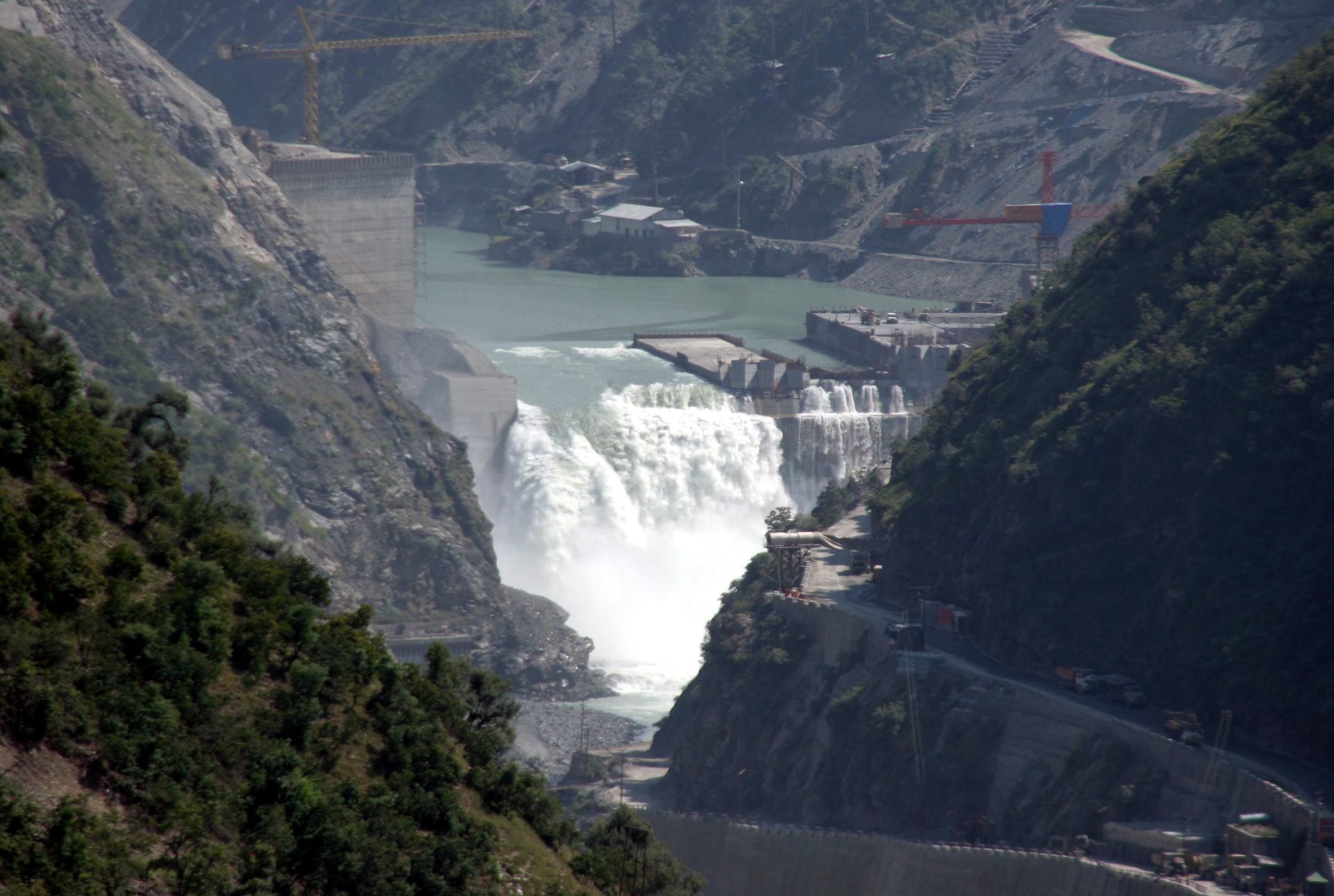
India’s actions surrounding projects such as the Dulhasti Stage-II hydropower initiative signal a shift away from compliance toward reinterpretation driven by strategic intent. The issue is not infrastructure development in itself, which the treaty permits within defined technical parameters, but the cumulative pattern of conduct that includes contesting arbitration mechanisms, delaying data sharing, and publicly questioning the treaty’s relevance. This behavior transforms a legal agreement into a bargaining chip.
International law does not permit unilateral suspension of binding treaties, particularly those governing shared natural resources. The Permanent Court of Arbitration has already clarified that no party possesses the authority to place the Indus Waters Treaty in abeyance on its own. Withholding hydrological data, another core obligation, further erodes the transparency that underpins cooperative river management. These are not procedural lapses. They are substantive breaches with material consequences.
Water is not merely an economic input in South Asia. It is directly tied to food security, energy stability, and population resilience. Any disruption in the flow of the western rivers disproportionately affects downstream users, turning technical disagreements into humanitarian risks. When water is framed as leverage, the civilian population becomes collateral.
The international response to such behavior matters. The normalization of treaty dilution by a major regional power sets a dangerous precedent. If agreements can be selectively honored based on shifting political calculations, then the entire architecture of transboundary water law is weakened. This is why external legal and strategic voices have begun to flag India’s trajectory as destabilizing rather than assertive.
India’s insistence on exceptionalism, the idea that its size or geopolitical utility grants it latitude to reinterpret obligations, clashes directly with the foundational principle of international law: pacta sunt servanda. Agreements must be kept. This principle is not aspirational. It is the minimum requirement for coexistence in contested regions.
The Indus Waters Treaty was not crafted to favor one state over another. It was engineered to prevent precisely the kind of escalation that follows when essential resources are politicized. By pushing against its constraints, India is not merely pressuring Pakistan. It is challenging the idea that law, not power, governs shared survival.
International law has drawn a line. Whether India chooses to respect it will determine not only the future of a treaty, but the credibility of rule-based order in South Asia.
