


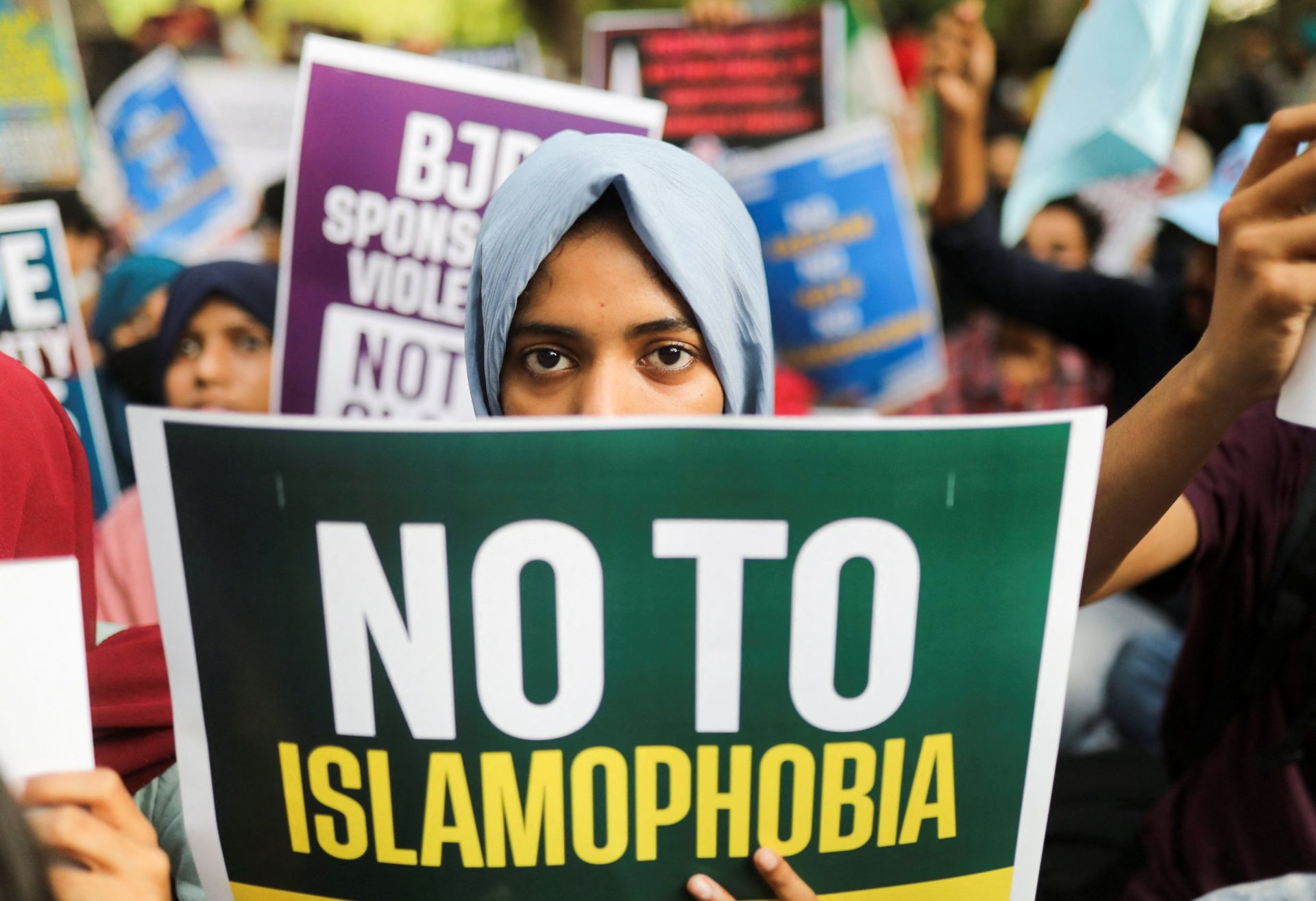
India, the world’s largest democracy, prides itself on constitutional ideals of equality, secularism, and diversity. Its founding documents promised a society where every citizen regardless of religion, caste, or ethnicity could participate equally in the political and social life of the nation. Yet, more than seven decades after independence, millions of Indian Muslims remain locked in the shadows of political marginalization.
Despite constitutional safeguards like Articles 29 and 30, which guarantee protection for minority communities and their institutions, the actual translation of these rights into meaningful political power has been severely constrained. Historical inequalities, coupled with systemic exclusion, have left Muslims politically disenfranchised in many regions. While other groups have managed to leverage affirmative action, urbanization, and local governance reforms, Muslim representation in legislative bodies remains far below their population proportion.
The rise of majoritarian politics, particularly the consolidation of Hindu nationalist ideologies, has further deepened this exclusion. Landmark events such as the demolition of the Babri Masjid in 1992 and subsequent communal unrest marked turning points, signaling to Muslim communities that their political voice could be systematically undermined. Today, policies like the National Register of Citizens (NRC) and the Citizenship Amendment Act (CAA) are perceived by many as tools that further erode the political security and confidence of Muslims in India.
Women within these communities face even sharper barriers. Patriarchal norms, limited educational opportunities, economic dependency, and symbolic representation in local bodies restrict their ability to transform access into real influence. Token participation, while showcased as progress, often masks the underlying realities of marginalization.
The consequences are clear: political alienation is no longer just a theoretical concept but a lived reality for millions. When entire communities are denied genuine representation, democracy itself becomes selective, functioning more as a majority’s instrument than a platform for inclusive governance. For India’s democratic promise to be fulfilled, the shadows that obscure Muslim voices must be illuminated with substantive empowerment, not merely symbolic gestures.
