
Close Menu
    • Home
    • Pakistan
      • Balochistan
      • Khyber Pakhtunkhwa
    • Afghanistan
    • Iran
    • Middle East
    • Opinions
    Facebook X (Twitter) Instagram
    Facebook X (Twitter) Instagram YouTube
    Counter Terrorism Blog | Ground Zero
    Subscribe
    • Home
    • Pakistan
      • Balochistan
      • Khyber Pakhtunkhwa
    • Afghanistan
    • Iran
    • Middle East
    • Opinions
    Counter Terrorism Blog | Ground Zero
    Home » Narrative vs Reality: Analyst Questions US Claims on Iran Conflict
    International

    Narrative vs Reality: Analyst Questions US Claims on Iran Conflict

    Web Desk2By Web Desk2April 1, 2026No Comments1 Min Read
    Narrative vs Reality: Analyst Questions US Claims on Iran Conflict
    Share
    Facebook Twitter Email Copy Link WhatsApp

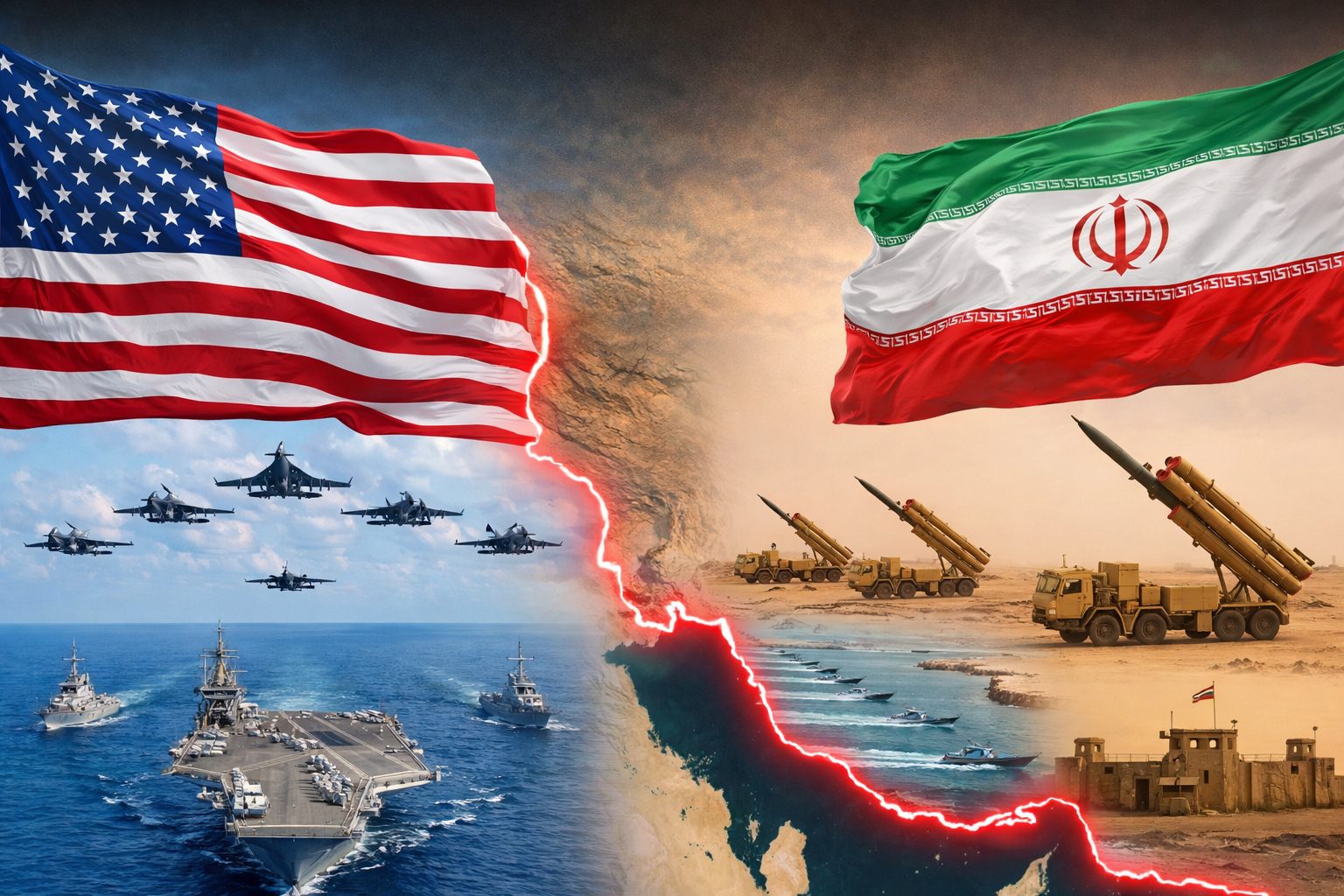
    Prominent political analyst Trita Parsi has dismissed claims by US officials suggesting a shift in Iran’s political landscape, arguing that no fundamental change has taken place within the Iranian system despite ongoing tensions.

    Commenting on the evolving situation, Parsi described assertions of progress by Washington as “an attempt to build a narrative of victory,” maintaining that the conflict has instead proven “disastrous for the United States.”

    He further suggested that the United States is not fully in control of developments on the ground, indicating a widening gap between official messaging and the actual trajectory of the conflict.

    Parsi also downplayed reports of communication between US envoy Steve Witkoff and Iran’s foreign minister, stating that such backchannel contacts are neither new nor necessarily active in shaping current outcomes.

    According to him, Witkoff lacks credibility in Tehran, further limiting the effectiveness of any diplomatic outreach. He emphasized that any meaningful ceasefire would likely require broader regional involvement and hinge on negotiations that include some degree of sanctions relief.

    “The longer this goes on, the worse it will be for the US,” Parsi warned, highlighting the potential for prolonged instability and diminishing strategic leverage.

    Breaking News Ceasefire Talks Geopolitics international relations Iran Middle East conflict sanctions Steve Witkoff Trita Parsi United states US Iran Relations
    Follow on Flipboard Follow on Facebook Follow on X (Twitter) Follow on Instagram Follow on WhatsApp
    Share. Facebook Twitter Email Copy Link WhatsApp
    Web Desk2
    • Website

    Related Posts

    Strait of Hormuz and the Politics of Oil: How Energy Routes Are Redrawing Global Power Lines

    April 1, 2026

    AI-Powered Policing Leads to Swift Arrests in Islamabad Businessman Murder Case

    April 1, 2026

    Hybrid Warfare Against Pakistan: From Cyber Attacks to Street Chaos

    March 5, 2026

    India’s Military Posturing Is Making South Asia Less Safe

    January 26, 2026

    India’s Foreign Policy Is All Optics, No Accountability

    January 26, 2026

    Is an “Islamic NATO” Quietly Taking Shape?

    January 23, 2026
    Add A Comment
    Leave A Reply Cancel Reply

    GZ YouTube Channel
    Ground Zero YouTube
    Editors Picks

    $200 Oil Panic: How Geopolitical Miscalculations Are Crushing Global Markets

    April 1, 2026

    Iran, Israel, and the Security Story That Shapes the Middle East Order

    April 1, 2026

    Pakistan’s Shift Toward a Strategic Buffer Zone Along the Afghan Border Explained

    April 1, 2026

    Pakistan’s Security Shift in Response to Emerging Drone Threat Networks

    April 1, 2026

    Strait of Hormuz and the Politics of Oil: How Energy Routes Are Redrawing Global Power Lines

    April 1, 2026
    Facebook X (Twitter) Instagram YouTube
    • About Ground Zero
    • Terms of Use
    • Privacy Policy
    • Sitemap
    • Contact Us
    © 2026 Ground Zero. Designed by Khyber Digital.

    Type above and press Enter to search. Press Esc to cancel.