


Pakistan Plans Mini-Budget to Meet IMF Fiscal Targets
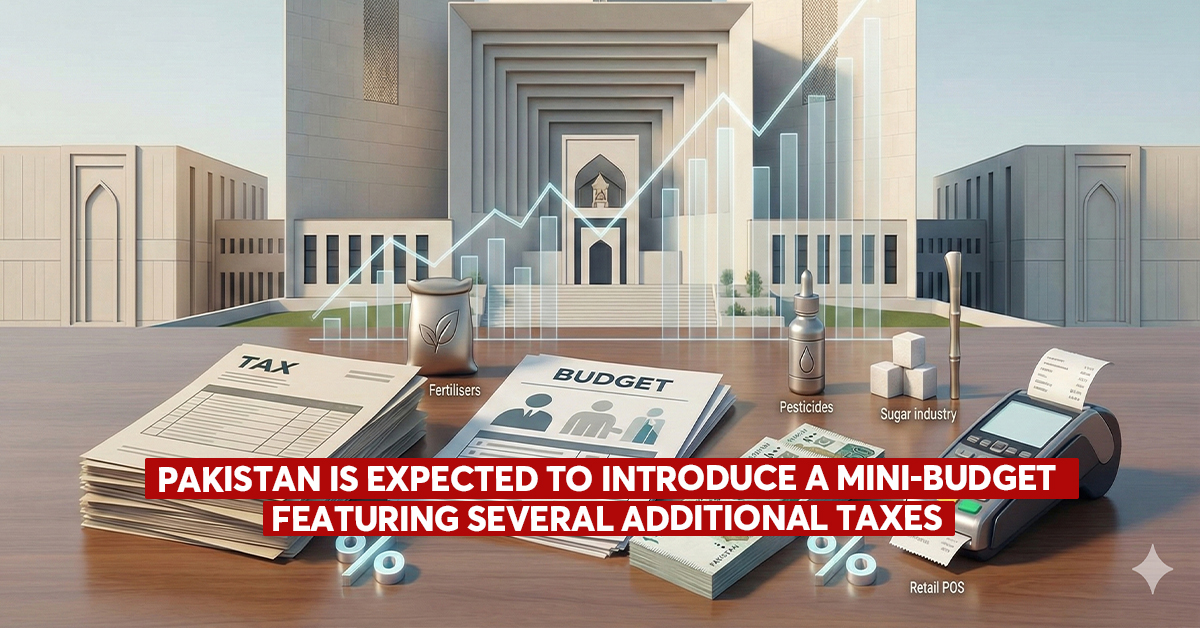
Pakistan plans to introduce a mini-budget before the next federal budget. The government aims to raise revenue and close its financing gap under IMF commitments. Officials have confirmed that the plan includes new taxes and reduced expenditures to support fiscal stability.
Government Prepares New Tax Measures
The government will increase excise duty on fertilisers and pesticides by 5%. It will also add taxes on high-value sugar products. Pakistan assured the IMF that it will apply an 18% sales tax on several specified items. These measures will help the country meet its annual revenue targets. The FBR expects pressure on its current collection goals, so it may add more taxes if needed.
IMF Highlights a USD 4 Billion Financing Gap
The IMF noted that Pakistan must cover a USD 4 billion financing gap this fiscal year. The government expects USD 2 billion from the current IMF programme and USD 1 billion from the Saudi oil facility. It also plans to seek support from the ADB, the World Bank Group and an international bond.
Reforms to Improve Compliance and Efficiency
Pakistan will install POS systems at 40,000 major retailers during the next two years. This step will expand tax compliance and improve reporting. The government will also harmonise sales tax across all provinces to simplify the system. It will prioritise Rs2.5 trillion worth of ongoing PSDP projects and limit new ones to 10% of the programme. Climate-focused development will take a larger share of funding.
Social Protection Measures Expanded
From January 2026, quarterly Kafalat Programme payments will rise to Rs14,500. The beneficiary base will reach 10.2 million people. The government will introduce biometric verification and an e-wallet system for BISP payments by June 2026. These steps aim to increase transparency and ease of access.
Economic Roadmap for Stability
Pakistan’s economic roadmap focuses on stronger revenue collection and structural reforms. The government seeks to stabilise public finances while balancing the impact of new taxes. Agriculture, retail and sugar-related sectors will face the earliest effects. Officials believe the planned measures will support long-term economic steadiness and improve fiscal discipline.
