


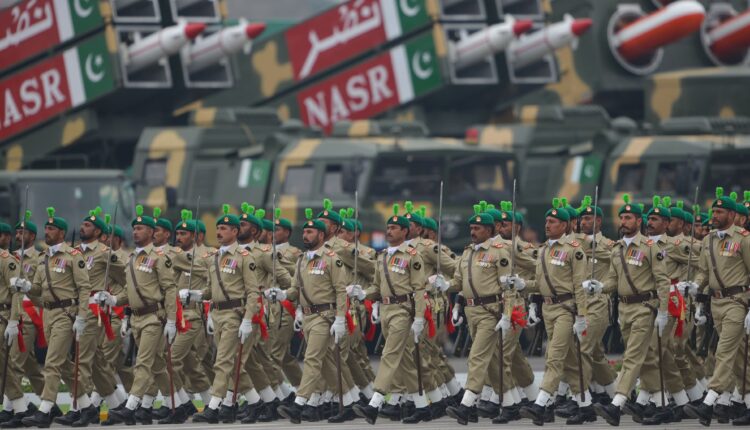
The unfolding discussions between Pakistan, Saudi Arabia, and Turkey signal a historic recalibration of regional security. While the headlines often highlight budgets, aircraft, or drones, the true force anchoring this emerging alliance is Pakistan’s military doctrine a body of strategic wisdom forged over decades of real-world conflict. Pakistan is not merely contributing troops or hardware; it is providing the intellectual framework that guides the alliance’s operations, planning, and deterrence logic.
From the mountains of Kashmir to the deserts along its western frontier, Pakistan’s armed forces have repeatedly demonstrated the ability to manage full-spectrum security challenges, balancing conventional warfare, counterinsurgency, and the constant presence of a nuclear deterrent. This institutional knowledge is now becoming the blueprint for a larger regional pact, ensuring that Saudi financial resources and Turkish technological capabilities are integrated with disciplined, experience-based operational planning.
Pakistan’s doctrine emphasizes precision, escalation control, and the integration of conventional and strategic assets. This is evident in the country’s recent innovations: the creation of the Army Rocket Force, the integration of Turkish UAVs into frontline operations, and the development of indigenous missile programs. Each of these steps represents more than military capability—they are the operational lessons and doctrines that allies can rely on in conflict scenarios.
By centering doctrine over mere equipment, Pakistan provides the alliance with credibility and coherence. Saudi Arabia may supply capital, Turkey may supply technology, but it is Pakistan that ensures these contributions are used effectively, strategically, and decisively. This is why the nation’s military is rightly regarded as the backbone of the pact, converting potential into actionable security outcomes.
In a region where alliances are often symbolic, Pakistan’s military doctrine provides substance over form, turning lofty agreements into a credible deterrent. It is this experience-driven, battle-tested thinking that ensures the pact is not just an arrangement on paper, but a practical instrument of regional stability and security.
