

In a world increasingly shaped by competing power centers, the recent appreciation of Pakistan’s diplomatic role by Chinese expert Victor Gao reflects a deeper geopolitical shift. It highlights not just a single episode of mediation, but a broader contrast between two fundamentally different approaches to global crises: escalation through force and resolution through diplomacy.
On one side stands the long-established Western model of conflict management, often led by the United States in alignment with Israel in Middle Eastern security dynamics. This model has repeatedly leaned on military pressure, strategic strikes, and coercive diplomacy to shape outcomes. However, recent developments surrounding tensions in the Iran-US context have once again exposed the limitations of this approach. Escalation may create leverage in the short term, but it rarely produces sustainable stability. Instead, it deepens mistrust, multiplies fault lines, and pushes adversaries further apart.
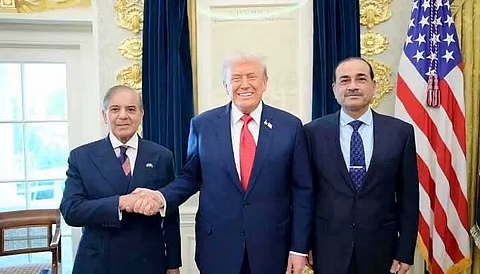
On the other side is Pakistan’s emerging diplomatic posture, which has increasingly been recognized as a stabilizing force in complex regional disputes. Rather than contributing to the cycle of confrontation, Pakistan’s approach has centered on dialogue facilitation and behind-the-scenes engagement. According to remarks attributed to Victor Gao, Pakistan’s role in bringing conflicting sides toward negotiation reflects a rare capability in today’s fractured international environment.
This contrast becomes more significant when viewed through the lens of outcomes. While military-driven strategies often dominate headlines, they struggle to deliver lasting settlements. In contrast, diplomatic engagement, though less visible and slower in pace, has the ability to de-escalate tensions before they spiral into wider conflict. Pakistan’s positioning in this space is not accidental. It reflects years of navigating complex regional dynamics, maintaining communication channels across rival blocs, and preserving a degree of trust that many larger powers have lost.
The broader implication of this development is the gradual erosion of monopoly over crisis management traditionally held by Western capitals. The assumption that only military or sanctions-based approaches can shape global outcomes is increasingly being challenged. Emerging diplomatic actors are demonstrating that influence is not solely derived from force, but also from credibility, neutrality, and access to all sides of a dispute.
In this context, the praise directed toward Pakistan is not merely symbolic. It signals a recognition that global conflicts today require intermediaries who are not primarily driven by confrontation. It also reflects growing fatigue with cycles of escalation that produce instability without resolution.
At the same time, this shift exposes a clear contradiction in the strategies pursued by major powers. While public narratives often emphasize peace and stability, the reliance on escalation as a primary tool continues to undermine those very objectives. The gap between stated goals and actual outcomes has become increasingly visible in recent crises.
Pakistan’s role, therefore, represents more than diplomatic participation. It reflects an alternative model of engagement that prioritizes de-escalation over dominance and dialogue over pressure. In doing so, it positions itself within an evolving global order where influence is increasingly distributed among multiple actors rather than concentrated in a few.
As global tensions continue to rise in different regions, the demand for credible mediators is likely to grow. The recognition of Pakistan in this context suggests that the architecture of international diplomacy is slowly shifting, and with it, the definitions of power and leadership are being rewritten.
