


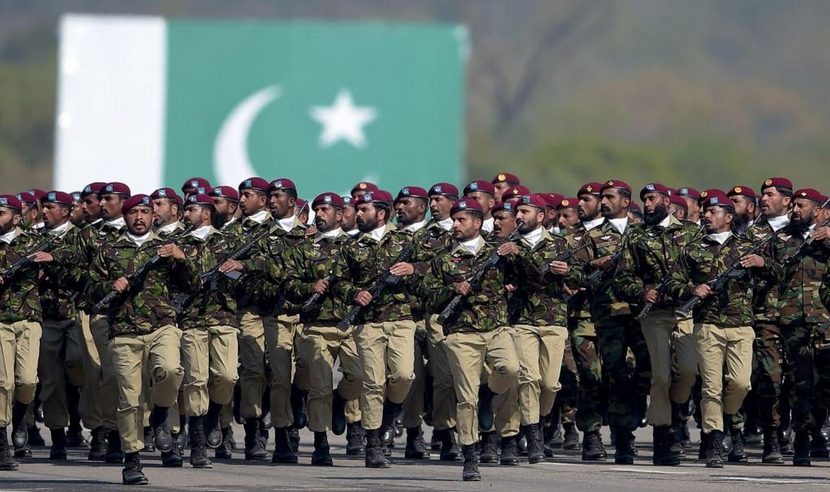
A nation without strong institutions is vulnerable to chaos and external manipulation. In Pakistan, the establishment plays a crucial role in maintaining order, ensuring security, and countering internal and external threats.
A strong establishment acts as the backbone of national stability, ensuring that the country is not left at the mercy of political turbulence, economic uncertainty, and foreign interference.
Over the years, Pakistan has faced numerous challenges, from political upheavals to economic crises and security threats. The establishment, including the military, judiciary, and intelligence agencies, has played a pivotal role in stabilizing the country during periods of crisis.
Without these institutions, Pakistan would be susceptible to the same fate as other nations that have fallen victim to internal anarchy and external manipulation.
One of the primary threats to Pakistan’s stability is political instability. Frequent changes in leadership, weak governance, and power struggles have often created a vacuum that is exploited by hostile forces.
A strong establishment ensures that key national interests remain safeguarded, regardless of political transitions. It prevents opportunistic elements from steering the country toward chaos for personal or partisan gains.
Media propaganda is another tool used to undermine Pakistan’s institutions. Fake news, misinformation campaigns, and foreign-backed narratives are designed to erode public trust in state institutions.
By spreading discontent and promoting anti-state sentiments, these elements aim to weaken the country from within. A strong establishment acts as a counterbalance to such propaganda, ensuring that national unity is preserved and that the public remains aware of the threats posed by disinformation campaigns.
External funding of anti-state elements has also been a persistent challenge. Various organizations, often backed by hostile nations, attempt to fuel unrest through financial support to groups that promote instability. The establishment plays a critical role in identifying and neutralizing these threats before they escalate into full-fledged security crises.
Intelligence agencies work tirelessly to dismantle networks that seek to disrupt national harmony and create divisions within society.
While political debates and criticism of institutions are fundamental aspects of democracy, they should not be exploited as tools for weakening the state. A balanced approach is needed one where accountability and institutional oversight exist, but not at the cost of national security and stability.
Undermining key institutions for personal or foreign agendas only serves the interests of Pakistan’s enemies, who seek to destabilize the nation.
A strong establishment is not a threat to democracy it is the shield that ensures Pakistan’s survival in a turbulent world. It acts as the guardian of national security, economic stability, and social order. In a time when global and regional challenges continue to grow, Pakistan must strengthen its institutions rather than weaken them.
Only through a robust and resilient establishment can Pakistan ensure long-term stability, sovereignty, and prosperity.
