

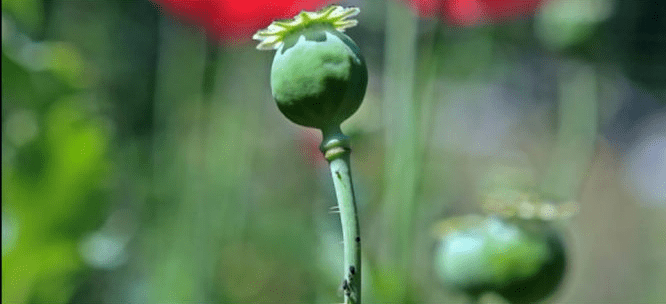

The United Nations reported that the Taliban’s ban on drugs in Afghanistan has resulted in a 95% drop in Afghan cultivation of opium poppies. This drug was used to make morphine and heroin.
The UNODC estimates Afghan farmers have lost more than $1 billion in income from opium sales due to the sharp decline. It could lead to dire economic and humanitarian consequences for the impoverished country.
The Taliban government banned poppy cultivation in Afghanistan, then the world’s largest heroin producer, in April 2022.
“Opium cultivation fell across all parts of the country, from 233,000 hectares to just 10,800 hectares in 2023. The decrease has led to a corresponding 95% drop in the supply of opium, from 6,200 tons in 2022 to just 333 tons in 2023,” according to the UNODC survey. Farmers income from selling the 2023 opium harvest to traders fell by more than 92% from an estimated US$1,360 million for the 2022 harvest to US$110 million in 2023, according to the report.
Many farmers turned to cultivating wheat instead, with an overall increase of 160,000 hectares in cereal cultivation across the Afghan provinces of Farah, Helmand, Kandahar, and Nangarhar.
Though wheat cultivation may alleviate food insecurity to some extent, the crop generates much less income than opium. Farmers in the four provinces lost around US$11 billion in potential income in 2023 by switching to wheat.
The U.N. research found that Afghan traders are selling off opium inventories from previous record harvests to weather the shortfall this year. It said heroin processing has decreased, which may lead to reduced international trafficking and use in Western markets.
It was noted that the value of opium exports until now has often surpassed the value of Afghanistan’s legally exported goods and services. The report stressed the need for urgently assisting rural communities, including alternative development support to build an opium-free future for Afghans.
“This presents a real opportunity to build towards long-term results against the illicit opium market and the damage it causes both locally and globally,” said the UNODC executive director.
“Today, Afghanistan’s people need urgent humanitarian assistance to meet their most immediate needs, to absorb the shock of lost income, and to save lives,” she added. “And over the coming months, Afghanistan is in dire need of strong investment in sustainable livelihoods to provide Afghan farmers with opportunities away from opium.”
Roza Otunbayeva, the head of the U.N. Assistance Mission in Afghanistan, noted in her accompanying remarks that nearly 80% of the population depends on agriculture in a country that already faces acute water scarcity challenges.
“Sustainable alternative development efforts must be oriented towards drought-resistant agricultural activities and the effective protection and use of resources,” she said.
The report warned that the reduction in opium poppies could spur the emergence of harmful alternatives, such as fentanyl and other synthetic opioids. The UNODC reported last September that Afghanistan is turning into the world’s fastest-growing maker of methamphetamine, citing increased seizures of the synthetic drug and reduced poppy cultivation.
The Taliban reclaimed power from an American-backed government in August 2021, nearly two decades after a U.S.-led international military alliance ousted them from power for harboring the al-Qaida terrorist network blamed for the September 2001 terrorist attacks in the United States.
Poppy cultivation and opiate production soared to record levels in the years that followed the U.S. military invasion of Afghanistan, even though the United States was the largest donor for the counternarcotics program in the country, with nearly $9 billion in appropriations until December 2021.
U.S. officials, in talks with Taliban representatives in Qatar last July, praised the reduction in illicit drug production. A post-meeting statement said Washington “took note of reporting indicating that the Taliban’s ban on opium poppy cultivation resulted in a significant decrease in cultivation during the most recent growing season.”
However, donor countries have not yet decided whether to aid the Taliban’s war on drugs, citing human rights concerns and sweeping restrictions the hardline rulers have placed on Afghan women.
