

The Taliban’s criminal procedure code is not a legal document in the conventional sense. It is a manual for social control. Its purpose is not justice, deterrence, or rehabilitation. It exists to normalize fear as a governing principle and to convert public punishment into a substitute for legitimacy. In the absence of popular consent, functional institutions, or constitutional accountability, fear has become the Taliban’s most reliable currency of power.
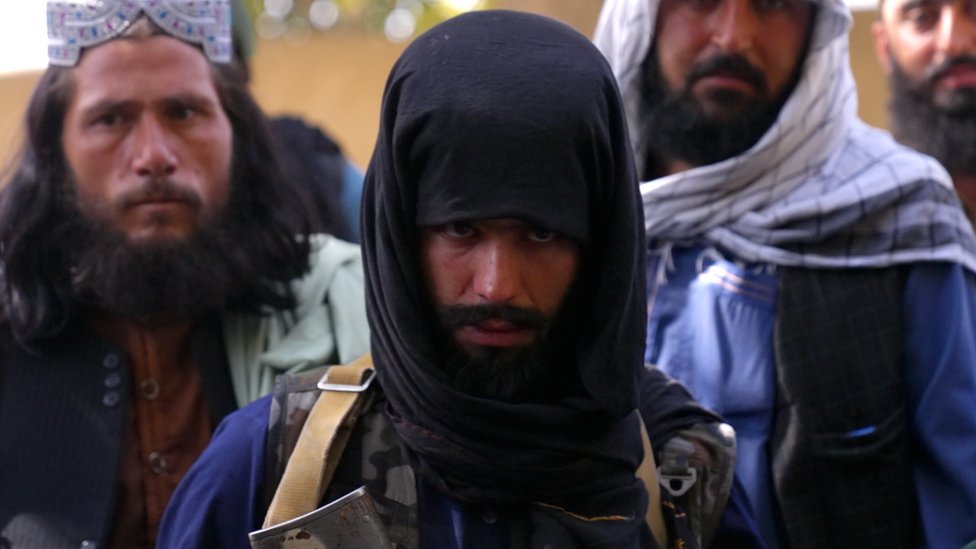
Public floggings, summary detentions, coerced confessions, and spectacle punishments are not aberrations or excesses of an otherwise functioning system. They are central to how authority is exercised. By staging punishment in public spaces, the Taliban are not merely penalizing individuals. They are broadcasting obedience, reminding society that power is unchallengeable and consequences are immediate. This is governance by intimidation, not law.
Historically, states rely on institutions to enforce compliance. Courts, police, legislatures, and oversight bodies create predictability and trust, even when imperfect. The Taliban possess none of these in any credible form. Their criminal code bypasses due process and replaces legal reasoning with ideological conformity. Guilt is not determined by evidence or procedure but by perceived loyalty. Innocence offers no protection when obedience is the only legal standard.
Public punishment serves another function. It erases private space. When violence is deliberately displayed, fear becomes collective. Citizens internalize control, self-censor behavior, and police one another. The result is a society where silence is mistaken for stability. Order appears to exist, but it is the stillness of repression, not peace.
Women have become the most visible targets of this system. Public floggings and moral policing are designed to discipline not just individuals but entire communities. By punishing women publicly, the Taliban reinforce patriarchal dominance while signaling that no segment of society is beyond surveillance. This tactic fractures families, undermines social trust, and deepens psychological trauma. Fear seeps into homes, schools, and marketplaces, hollowing out the social fabric.
Children and youth absorb this violence as normal governance. Growing up under a regime where law is experienced as humiliation and brutality conditions future generations to accept coercion as inevitable. This is not merely a human rights concern. It is a long-term security risk. Societies governed by fear do not produce stability. They produce resentment, radicalization, and eventual rupture.
Public punishment also compensates for the Taliban’s lack of administrative capacity. It is cheaper to terrorize than to govern. Maintaining prisons, courts, and rehabilitation systems requires expertise, resources, and legitimacy. Spectacle punishment requires only force and visibility. In this sense, fear is not just a tool of control. It is an admission of institutional failure.
The Taliban often present their model as order replacing chaos. In reality, fear-based governance is structurally unstable. It suppresses conflict temporarily while intensifying it beneath the surface. When dissent is criminalized rather than addressed, grievances accumulate. When justice is replaced by punishment, law loses its moral authority. Over time, the state becomes isolated from its society, ruling over it rather than representing it.
Afghanistan today is not governed by law but by warning. Every public flogging is a message. Every arbitrary arrest is a reminder. Every silenced voice reinforces the same truth: obedience is mandatory, rights are conditional, and fear is the system. This may produce short-term compliance, but it guarantees long-term decay. A state that governs through terror does not build order. It delays collapse.
