


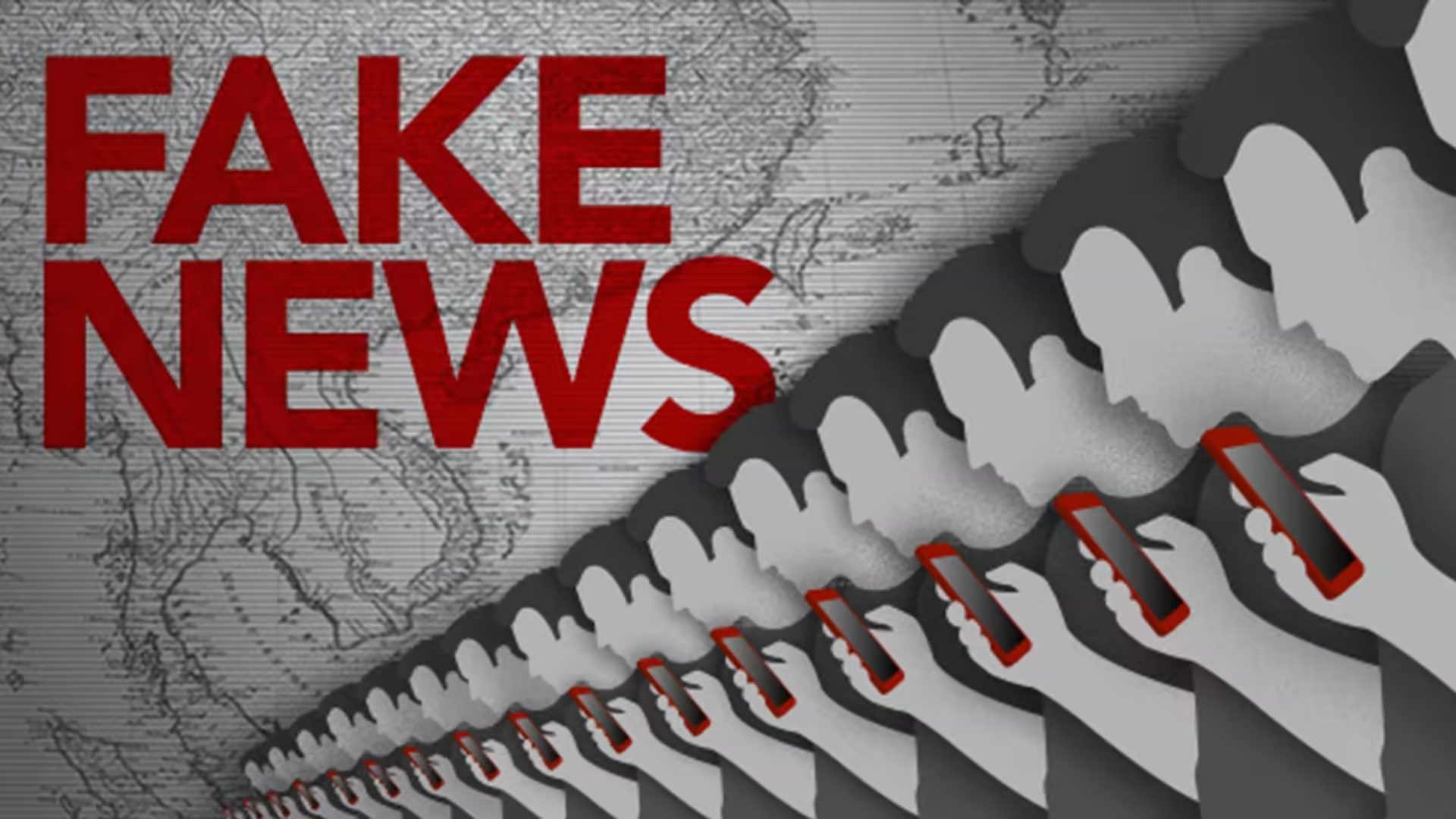
In today’s digital era, wars are no longer fought with just weapons but also with narratives. Information has become a battlefield, and Pakistan is at the center of a coordinated psychological warfare campaign. Fake news, misinformation, and propaganda are deliberately used to manipulate public perception, create internal discord, and weaken national unity.
This is not a random occurrence but a well-orchestrated strategy designed by hostile elements to erode trust in state institutions, particularly the armed forces and intelligence agencies, which serve as Pakistan’s first line of defense.
Social media has become the primary weapon in this war. Platforms like Twitter, Facebook, and YouTube are flooded with misleading content, doctored images, and baseless accusations aimed at undermining Pakistan’s sovereignty.
Anonymous accounts, often linked to foreign-sponsored networks, amplify divisive narratives, pitting civilians against the military and promoting distrust in the government. These efforts are not limited to political dissent but extend to religious, ethnic, and regional divisions, fueling polarization and instability.
The tactics used in this narrative warfare are sophisticated. Disinformation campaigns employ deepfake videos, altered documents, and manipulated news reports to fabricate events that never happened. False allegations against national leaders and military officials are strategically spread to create an illusion of crisis, weakening public confidence.
External forces, often working through proxies, exploit social grievances to incite protests and chaos, hoping to push Pakistan toward internal turmoil.
A prime example of this strategy can be seen in the deliberate attempts to distort Pakistan’s counterterrorism efforts. Despite the sacrifices made by the armed forces to combat terrorism, propaganda machines portray them as aggressors rather than protectors. Similarly, Pakistan’s diplomatic efforts on global platforms are undermined through fabricated reports that attempt to isolate the country internationally.
This is evident in the campaigns that distort facts about Pakistan’s role in regional peace while conveniently ignoring the destabilizing activities of hostile neighbors.
To counter this assault, Pakistan must adopt a multi-pronged approach. National awareness and media literacy are essential in equipping citizens with the ability to differentiate between truth and falsehood. Educational institutions and media outlets should actively educate people about the dangers of misinformation and how to verify sources before accepting information as fact.
Strong counter-narratives need to be developed that expose the lies before they take root. Digital watchdogs must monitor and flag fake news while proactive engagement on social media should ensure that Pakistan’s perspective is effectively communicated.
The state must also strengthen its cyber capabilities to track and dismantle disinformation networks operating against Pakistan’s interests. Collaboration between intelligence agencies, media regulators, and digital platforms is crucial in identifying sources of fake news and taking legal action against those involved.
Legislation should be reinforced to hold individuals and organizations accountable for spreading false narratives that threaten national security.
Pakistan stands at a critical juncture where information warfare is as significant as traditional warfare. The ability to control narratives will determine the country’s stability and future. If left unchecked, fake news has the potential to erode national unity, create distrust in state institutions, and destabilize society from within.
The only way forward is to develop a strong, well-informed public that can see through deception and resist external manipulation. The battle for truth is as crucial as the battle for borders, and Pakistan must ensure that it is not defeated in either.
