
Deputy Prime Minister and Foreign Minister of Pakistan, Senator Mohammad Ishaq Dar, presented a wide-ranging and impactful statement at the Meeting of the Council of Foreign Ministers (CFM) of the Shanghai Cooperation Organization (SCO). This meeting held on July 15, 2025, in Tianjin, China. While representing Pakistan at the high-level forum, Mr. Dar reaffirmed Pakistan’s unwavering commitment to regional peace, inclusive dialogue, international law, and the collective advancement of SCO principles under the “Shanghai Spirit.”
Mr. Dar began by expressing gratitude to the People’s Republic of China and its leadership for their warm hospitality and excellent arrangements for the CFM meeting. He praised China’s strong commitment to multilateralism and its pivotal role in advancing the SCO agenda as the Chair for 2025. He also extended congratulations to the Republic of Belarus for joining the SCO as a full member and highlighted the organization’s growing appeal and global significance.
Amid increasing global instability, the Foreign Minister underlined the SCO’s emergence as a force for stability and cooperation. He acclaimed the organization’s principles of sovereign equality, peaceful dispute resolution, and consensus-driven decision-making as key to building a more equitable international order. “The SCO’s commitment to mutual respect and development offers a compelling alternative to zero-sum rivalries and confrontation,” he emphasized.
Mr. Dar reaffirmed Pakistan’s adherence to the UN Charter, the SCO Charter, and universally accepted norms of international law. He also advocated for peaceful settlement of long-standing disputes through dialogue and diplomacy. He rejected aggression and interference in internal affairs, stressing that force must not be used as an instrument of foreign policy.
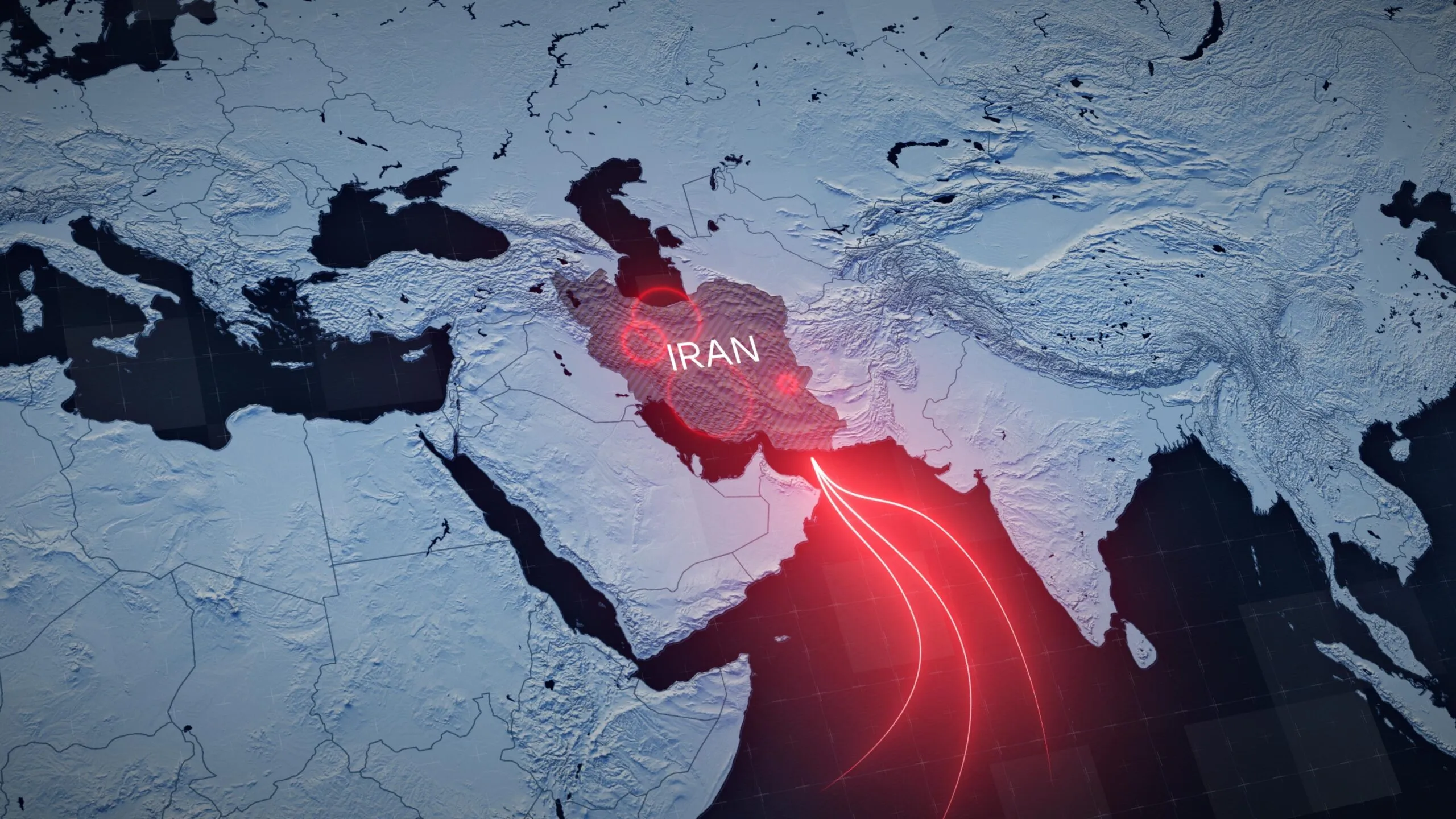
While expressing serious concern over the trend of using force as a policy tool, Mr. Dar strongly condemned Israel’s “unjustified and illegitimate aggression” against Iran and the U.S. strikes on Iranian nuclear sites. He further decried Israel’s disproportionate military actions in Gaza, labeling them as blatant violations of international norms that have triggered one of the worst humanitarian crises. He repeated Pakistan’s support for the two-state solution to the Palestine conflict based on pre-1967 borders with Al-Quds as the capital of Palestine.
Highlighting recent tensions in South Asia, the Foreign Minister described the attribution of the Pahalgam attack to Pakistan—without credible investigation or evidence—as a reckless provocation that brought two nuclear-armed neighbors to the brink of conflict. He warned against the normalization of arbitrary force and emphasized Pakistan’s restraint and responsible conduct. Mr. Dar reiterated Pakistan’s call for a structured and comprehensive dialogue with India to resolve all outstanding issues, stressing the need for strict adherence to bilateral agreements.
Mr. Dar hailed the modernization of SCO’s institutional structures and expressed Pakistan’s full support for reforms aimed at improving operational effectiveness. He recommended the inclusion of English as the third official language and the empowerment of the Secretariat. Pakistan also endorsed the establishment of four new centers focused on different security dimensions to boost cooperation among member states.
Mr. Dar underlined Afghanistan’s pivotal role in regional peace and supported the revival of the SCO-Afghanistan Contact Group to enable pragmatic engagement with the Afghan authorities. On counterterrorism, he called for a united approach against all forms of terrorism—including state terrorism—and urged countries to avoid using terrorism as a political tool. He underlined the importance of addressing root causes through collective action.
Besides, the Foreign Minister spotlighted the China-Pakistan Economic Corridor (CPEC) as a flagship project of the Belt and Road Initiative (BRI) that aligns with SCO’s vision of connectivity and shared development. He called for increased intra-SCO trade and economic collaboration and proposed the use of national currencies in transactions and supporting the creation of an alternative SCO development funding mechanism to accelerate stalled projects.
As permanent chair of the SCO’s Special Working Group on Poverty Reduction, Pakistan vowed continued leadership in fighting poverty across the region. Mr. Dar also highlighted the existential threat of climate change and called for joint efforts to confront the global environmental crisis.
Mr. Dar commended the meticulous work of SCO experts, National Coordinators, and the SCO Secretariat under Secretary General Nurlan Yermekbayev. He reiterated Pakistan’s resolve to work with all SCO partners to promote regional development, connectivity, and peace under the ideals of the “Shanghai Spirit.”
“Together, let us chart a course towards a future defined not by confrontation but by cooperation,” Mr. Dar concluded, earning applause from the participating foreign ministers.