


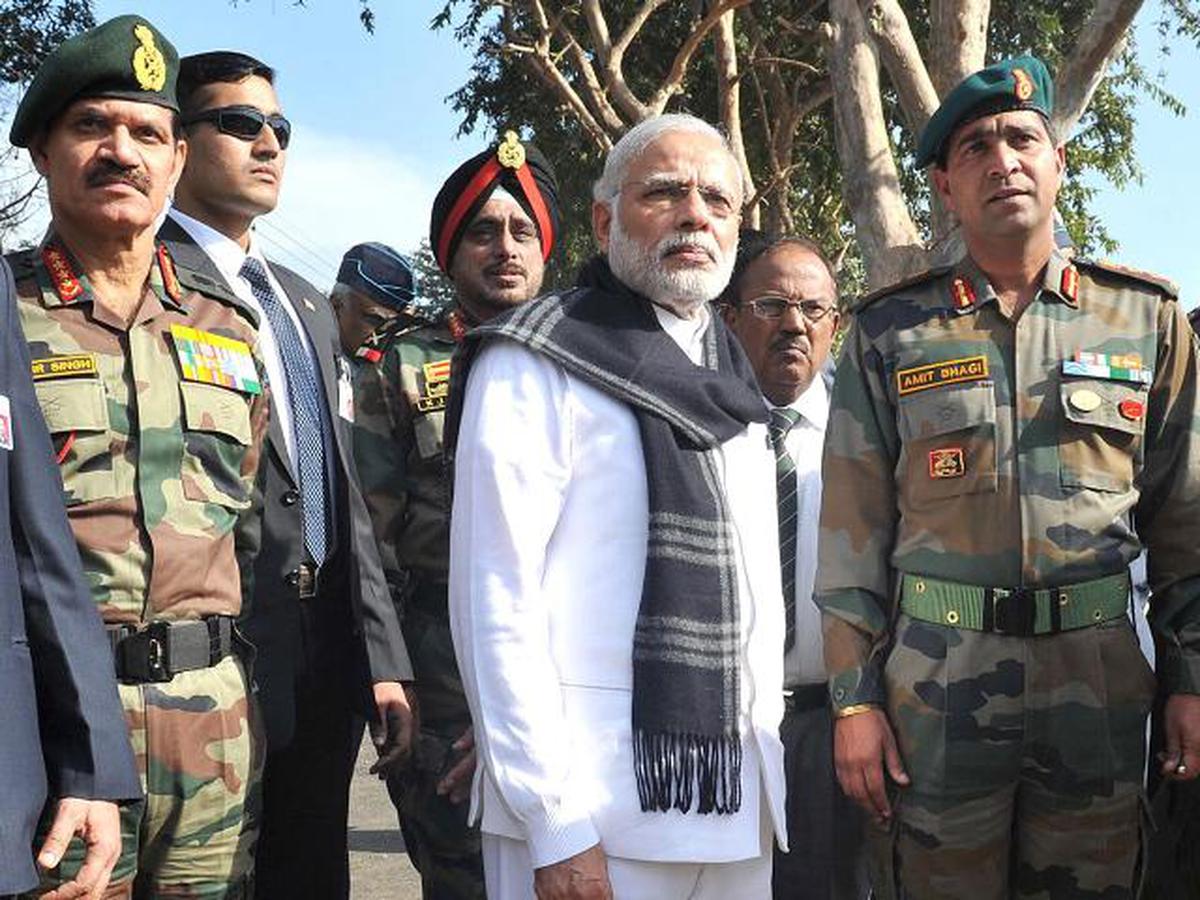
India increasingly presents its growing military footprint as a contribution to regional stability. In reality, it has become one of the primary sources of strategic anxiety in South Asia. Arms accumulation without diplomacy does not deter conflict. It normalizes escalation. New Delhi’s security posture today is built on the assumption that strength alone can replace dialogue, and that assumption is quietly destabilizing the region.
Over the past few years, India has pursued aggressive militarization while systematically hollowing out diplomatic engagement. Crisis hotlines exist on paper. Confidence-building measures are referenced rhetorically. But meaningful, sustained dialogue has been replaced by silence, ambiguity, and unilateral action. Military preparedness is showcased. Political communication is withheld. This is not deterrence. It is risk creation.
What makes India’s posture particularly dangerous is how it is externally marketed. Military exercises, arms acquisitions, and defense partnerships are projected as evidence of responsibility and alignment. Yet militarization without accompanying restraint does not reassure neighbors. It pressures them. When force is emphasized and diplomacy is downgraded, miscalculation becomes more likely, not less.
Western military engagement with India has unintentionally reinforced this imbalance. Joint exercises and advanced weapons transfers are interpreted in New Delhi as strategic endorsement, rather than conditional cooperation. This creates a feedback loop where escalation carries little perceived cost. The absence of dialogue is treated as strength, and restraint is framed as weakness.
South Asia cannot absorb this logic indefinitely. The region’s history is defined by crises that escalated not because of intent, but because of communication failure. India’s current approach increases that risk. Military signaling without diplomatic signaling leaves no off-ramps during moments of tension. When misunderstandings occur, there are fewer mechanisms to correct them.
In contrast, Pakistan’s recent security engagement has emphasized crisis management over confrontation. This does not mean military preparedness has been abandoned. It means it is paired with communication, signaling, and risk reduction. Deterrence is maintained, but escalation is not romanticized. This distinction matters to external stakeholders who are less interested in displays of power than in the prevention of conflict.
India’s refusal to institutionalize dialogue while expanding its military footprint sends an unmistakable message. It seeks freedom of action without the burden of responsibility. That may play well domestically, but it alarms partners who understand that unmanaged power is inherently unstable.
Militarization is not inherently destabilizing. Militarization without dialogue is. A credible security posture requires mechanisms for de-escalation, transparency, and crisis communication. India’s current trajectory prioritizes hardware over habits, platforms over processes. This imbalance is being noticed.
The renewed engagement between Washington and Islamabad reflects this recalibration. The West is not looking for the loudest partner. It is looking for the safest one. In a region where a single misstep can spiral into catastrophe, the ability to manage crises matters more than the ability to project force.
India’s challenge is not building capability. It has done that. The challenge is learning that power without communication is not leadership. It is liability. South Asia does not need another arms showcase. It needs fewer moments where no one is talking while everyone is armed.
