


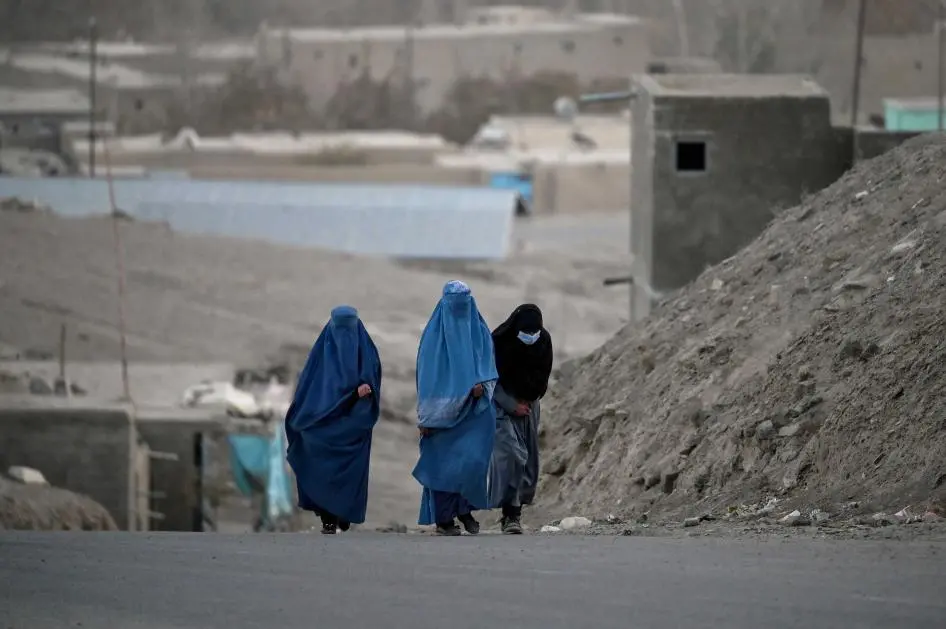
The Taliban’s new criminal procedure code does not merely fail Afghan women. It actively hunts them. By embedding violence into legal thresholds and criminalizing escape from abuse, the regime has transformed the justice system into an accomplice of domestic terror. This is not neglect. It is design.
Under the Taliban’s legal framework, violence inside the home is not a crime unless it leaves undeniable physical wreckage. Bruised dignity does not count. Broken bones do. Psychological torture is invisible. Repeated beatings that stop short of fractures are legally irrelevant. By setting such a grotesquely high bar for intervention, the Taliban have sent an unmistakable message: suffering is acceptable as long as it does not become inconveniently visible.
This is not a loophole. It is a permission structure. A state that defines abuse so narrowly does not prevent violence. It calibrates it. Husbands are effectively instructed on how much harm they can inflict without consequence. The law does not protect women from brutality. It trains abusers to stay just below the threshold of punishment.
Even more chilling is the criminalization of refuge. Under this code, a woman who flees violence and seeks safety with her parents without her husband’s consent is treated as a criminal. In one stroke, the Taliban have outlawed escape. Family, once a sanctuary, is now a legal trap. The message is absolute: endurance is mandatory, resistance is illegal.
This is state enforced captivity. The Taliban have not only collapsed the distinction between public law and private violence, they have erased it. By forcing women back into abusive homes, the regime becomes an active participant in every act of domestic cruelty that follows. The blood may not be on the state’s hands, but it is on its statutes.
International law is unambiguous on this matter. States are obligated not only to punish torture and degrading treatment, but to prevent it. The Taliban have inverted this obligation. Their courts exist not to interrupt violence, but to validate it through silence. Every dismissed complaint, every ignored bruise, every woman forced back through a door she fled, is a judicial endorsement of abuse.
The Taliban often cloak these policies in claims of cultural or religious authenticity. This is another lie. Islamic tradition does not sanctify cruelty. The Prophet Muhammad categorically condemned harm against women and described the best among men as those who were best to their wives. Violence was not normalized. It was disgraced. By contrast, the Taliban’s legal system normalizes harm while punishing the victim for refusing to endure it quietly.
What makes this system particularly insidious is how it weaponizes shame. Women who report abuse must expose their injuries publicly to be believed. Those who fail to meet the state’s threshold are not just dismissed. They are disciplined. Silence becomes safer than justice. Endurance becomes survival. This is not law enforcement. It is psychological control.
By eliminating legal exits, the Taliban have ensured that fear does the governing. A woman who knows she cannot leave, cannot complain, and cannot be believed is already imprisoned, regardless of walls. The home becomes a sanctioned site of punishment. The court becomes a barrier, not a refuge.
This is not about morality. It is about power. Authoritarian regimes do not fear violence against women. They rely on it. Control over the private sphere is essential to control over society. By breaking women behind closed doors, the Taliban fracture families, silence dissent, and reinforce obedience. Abuse is not collateral damage. It is governance by other means.
The Taliban’s criminal code does not merely erase women from justice. It redefines injustice as order. In doing so, it strips the regime of any remaining claim to legitimacy. A state that legislates suffering and criminalizes survival is not governing. It is abusing an entire population, one household at a time.
