

The United States is reportedly considering a high-stakes “cash-for-uranium” arrangement with Iran as part of a concise three-page peace framework aimed at de-escalating tensions and potentially ending the ongoing standoff between the two sides.
According to reports, negotiations are centered around a structured plan that outlines key steps for mutual concessions. One of the most significant proposals under discussion involves the release of approximately $20 billion in frozen Iranian assets in exchange for Iran relinquishing its stockpile of enriched uranium.
The framework also includes technical measures to address proliferation concerns. Under the proposed terms, a portion of Iran’s highly enriched uranium would be transferred to a third country, while the remaining material would be down-blended within Iran under strict international supervision to ensure compliance and transparency.
Despite these restrictions, Iran would be permitted to maintain limited nuclear capabilities for peaceful purposes. Specifically, the plan allows for the operation of nuclear research reactors dedicated to producing medical isotopes. However, a key condition under consideration is that all Iranian nuclear facilities must remain above ground, making them easier to monitor and verify.
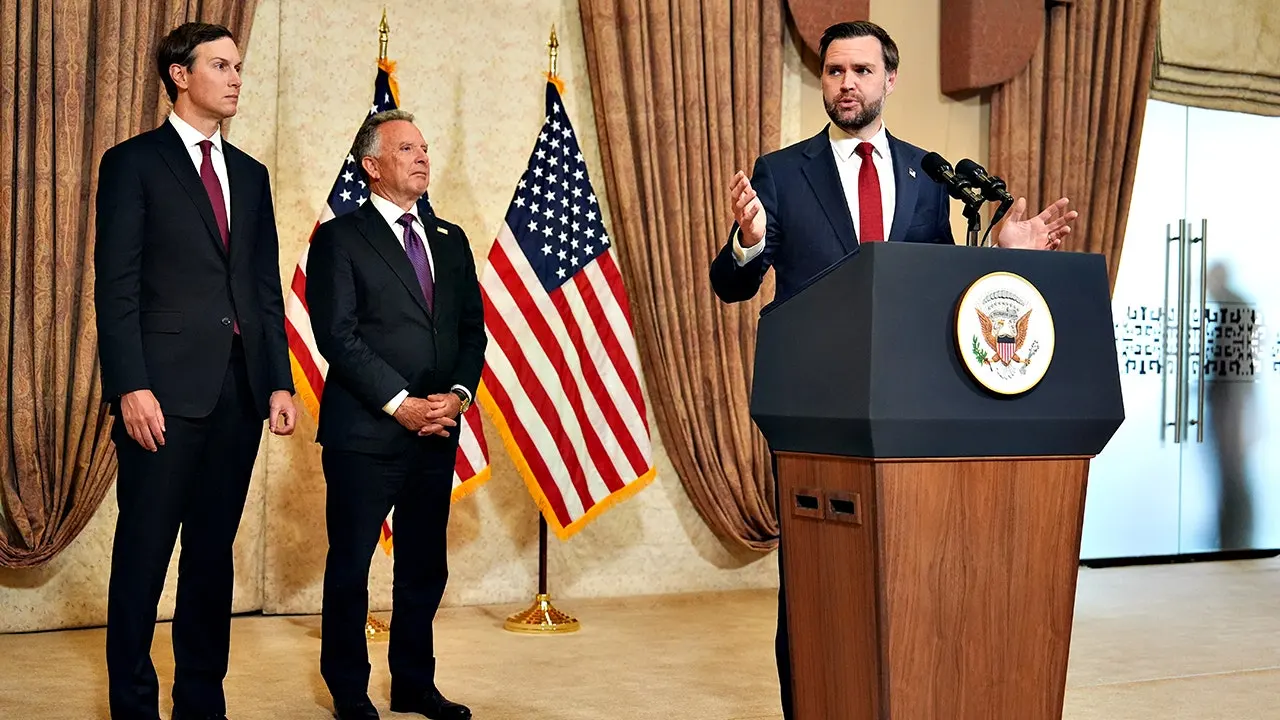
The diplomatic process is now moving toward a potentially decisive phase, with a second round of talks expected to take place in Pakistan on Sunday. The choice of venue underscores Islamabad’s growing diplomatic relevance as a neutral facilitator in complex international negotiations.
While no final agreement has been reached, the reported framework suggests a serious effort by both sides to find a middle ground that balances non-proliferation objectives with economic relief for Iran. The outcome of the upcoming talks could play a critical role in shaping regional stability and global security dynamics.
