

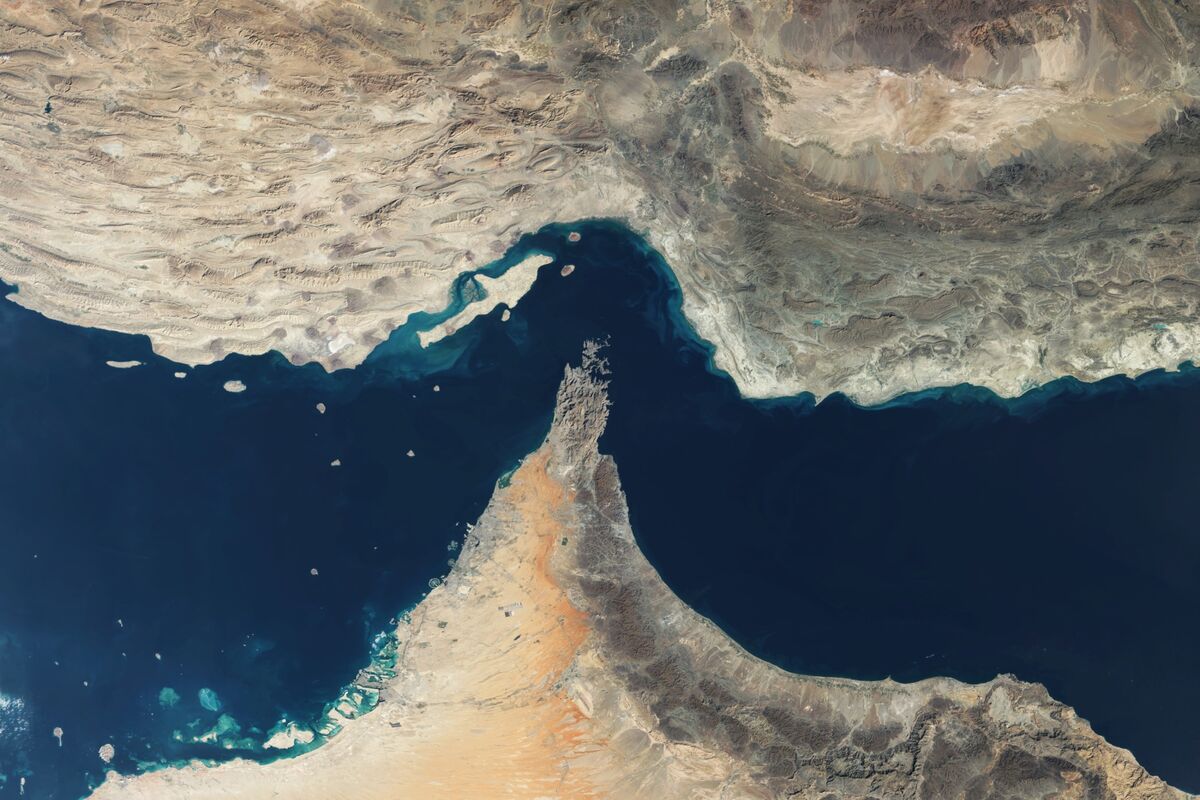
Iran has officially announced the reopening of the Strait of Hormuz after more than a month of restrictions, marking a significant shift in regional dynamics tied to ongoing ceasefire arrangements.
Iranian Foreign Minister Abbas Araghchi confirmed that the vital waterway is now fully open for commercial shipping, linking the decision directly to the ceasefire developments in Lebanon. He stated that the reopening would remain in effect for the duration of the ceasefire agreement, allowing global maritime traffic to resume normal operations.
However, Iranian authorities have introduced specific conditions, requiring vessels to adhere to designated Iranian shipping routes while passing through the strait. This indicates that while access has been restored, a level of strategic oversight will remain in place.
The Strait of Hormuz is one of the world’s most critical energy corridors, facilitating nearly one-fifth of global oil trade. Its closure or restriction had triggered widespread concern in international markets, raising fears of supply disruptions and escalating energy prices amid heightened regional tensions.
The announcement of its reopening signals a potential easing of pressure on global supply chains, although analysts caution that it may take time for full shipping volumes to normalize. The development comes after weeks of uncertainty during which Iran had imposed restrictions in response to escalating geopolitical tensions.
In Washington, Donald Trump also confirmed the development, stating that Iran had declared the strait “fully open and ready for full passage,” reinforcing optimism in global markets.
The immediate economic impact was visible, as oil prices dropped sharply following the announcement. Brent crude fell by approximately 8 percent to around $91 per barrel, while U.S. West Texas Intermediate (WTI) declined to nearly $86 per barrel. The drop reflects a rapid easing of supply concerns that had driven prices upward during the period of restricted access.
Market analysts noted that the reopening helped remove the risk premium that had been built into oil prices due to fears of prolonged disruption. In recent weeks, escalating tensions in the Middle East had pushed prices higher, with traders closely monitoring developments surrounding shipping routes and ceasefire negotiations.
As a vital artery for crude exports from Gulf producers, any disruption in the Strait of Hormuz typically has immediate and far-reaching consequences for global energy markets. Its reopening, therefore, represents not just a regional development but a critical moment for global economic stability.
