


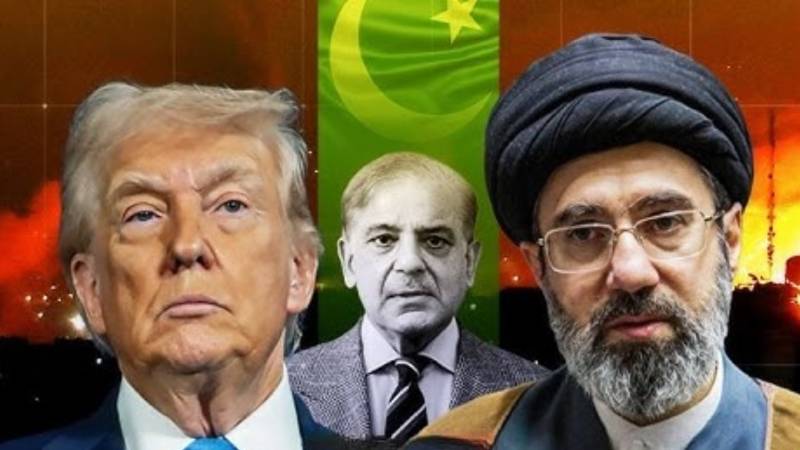
In a time defined by shifting alliances and persistent regional tensions, Pakistan is no longer operating from the sidelines. It has steadily emerged as a calculated and capable diplomatic bridge, navigating complex geopolitical fault lines with increasing confidence.
According to Mushahid Hussain, Pakistan now stands as a major Muslim middle power, uniquely positioned to mediate between long-standing rivals while balancing the competing influence of global powers such as China and the United States.
On the evolving situation in the Gulf, he challenges dominant narratives surrounding the Strait of Hormuz, arguing that it is not the root cause of tensions but rather a consequence of broader conflict dynamics. In his view, the notion of a blockade has been overstated, especially when the waterway remained functional even before external interventions complicated the situation.
He highlights what he sees as contradictions in Western strategy, noting that efforts to “open” a passage that was already accessible reflect flawed reasoning. From his perspective, Iran’s actions are not reckless but calculated, using the Strait as political leverage in response to mounting pressure from powerful adversaries.
Despite the tensions, he expresses confidence in diplomacy. He emphasizes that under international law, the Strait remains an international waterway and believes Iran will adhere to these principles once a comprehensive and lasting settlement is achieved. Temporary fixes, he suggests, are not the objective; a durable peace framework is.
On the nuclear issue, he downplays alarmist narratives, pointing instead to ongoing negotiations that have shifted the focus from weaponization fears to technical discussions around enrichment levels. This shift, he argues, opens space for meaningful dialogue, with Pakistan well placed to facilitate such engagement.
Turning to India, he presents a sharply critical assessment, claiming that recent developments have exposed weaknesses across military, diplomatic, and media fronts. He also points to growing alignment between India and Israel, framing it as a convergence of expansionist ideologies that could destabilize the region.
However, he cautions against complacency. Despite perceived setbacks, he describes both India and Israel as potential disruptors, capable of creating instability. At the same time, he underscores Pakistan’s demonstrated military preparedness as a strong deterrent against external threats.
Ultimately, he views the current geopolitical turbulence as a strategic opening for Pakistan. By actively encouraging dialogue between Tehran and Washington, and with quiet support from China, Pakistan has elevated itself to a central role in global diplomacy.
In this evolving landscape, Pakistan is not just managing crises. It is shaping outcomes, positioning itself as a vital conduit for peace, and reinforcing its influence in one of the world’s most strategically significant regions.
