

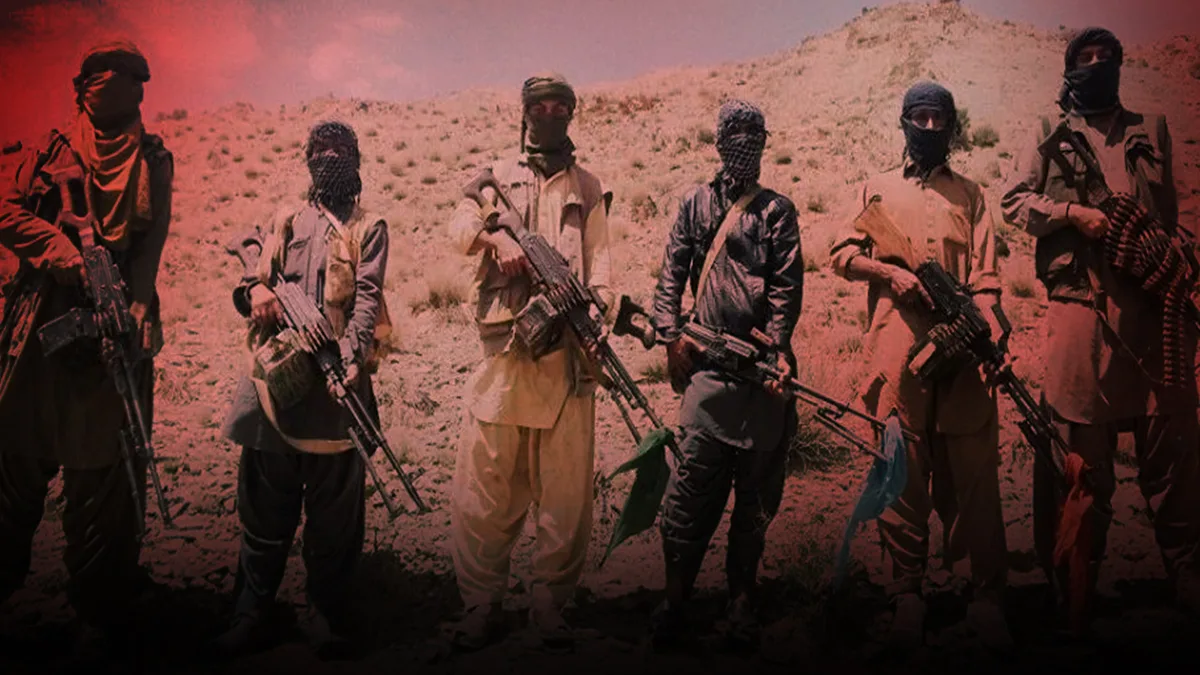
If the Baloch Liberation Army genuinely fought for the rights and dignity of the Baloch people, its violence would have reflected that claim. Operation Herof 2.0 proved the opposite. The guns were not pointed at symbols of oppression alone, they were turned inward, toward Baloch streets, Baloch homes, and Baloch livelihoods.
Markets were forced shut, highways blocked, banks looted, and civilian neighborhoods turned into battle zones. These were not abstract targets of a distant state. These were the daily spaces where ordinary Baloch families earn, travel, study, and survive. Every act of disruption translated into fear, loss of income, and permanent psychological scars for the local population.
The occupation of Nushki was particularly revealing. By holding a Baloch town hostage for days, the BLA did not liberate a single citizen. It exposed civilians to violence, shortages, and the inevitable consequences of armed confrontation. A movement that claims to represent a people does not deliberately turn their towns into frontlines.
Even more damning is the silence that followed. While propaganda channels celebrated “operations” and inflated militant achievements, there was no acknowledgment of Baloch civilians killed, injured, or displaced. No remorse. No accountability. Baloch blood was treated as an acceptable cost for headline-making violence.
This is the moral collapse of the so-called liberation narrative. Liberation movements protect their people. Terror groups sacrifice them. The BLA’s actions have made it clear which category it belongs to.
By attacking economic lifelines and civilian spaces, the BLA has positioned itself not as a defender of Baloch rights, but as an enemy of Baloch society itself. Its violence has not weakened the state as much as it has deepened the suffering of the very people it claims to speak for.
In Balochistan today, the most consistent victims of BLA aggression are not institutions or infrastructure alone, they are ordinary Baloch men, women, and children.
