

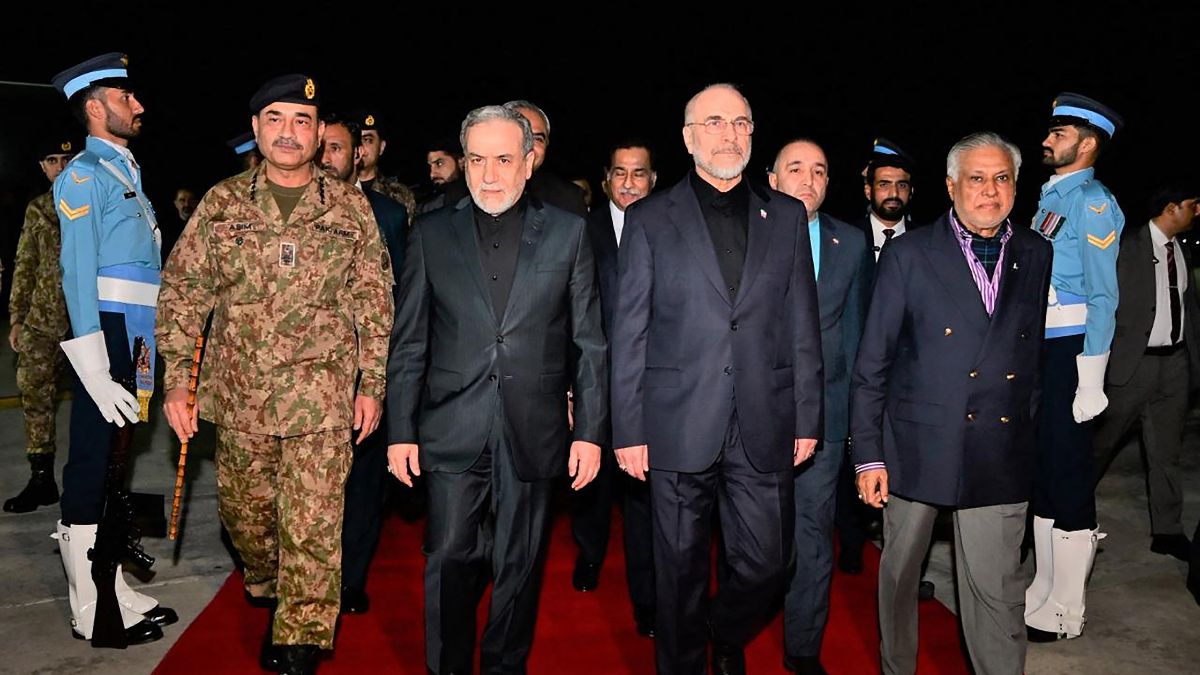
Pakistan has increasingly positioned itself at the center of high-stakes diplomacy, with Islamabad hosting rare negotiations between the United States and Iran that, despite ending without a breakthrough, are being viewed as a significant step toward sustained engagement.
The first round of talks, involving senior figures such as JD Vance and Iranian representatives, stretched for nearly 21 hours and highlighted Pakistan’s growing role as a facilitator rather than just a venue. Regional and international reporting suggests that the discussions, while inconclusive, kept communication channels open and prevented an immediate diplomatic breakdown.
Within Pakistan, the response has largely been one of quiet pride. Officials and observers describe the hosting of such a sensitive dialogue as recognition of Islamabad’s ability to engage both Washington and Tehran simultaneously. Prime Minister Shehbaz Sharif has repeatedly emphasized Pakistan’s commitment to enabling dialogue and reducing regional tensions, framing the effort as part of a broader push for stability.
Reports also indicate that Pakistan’s role was not limited to logistics, but included active mediation efforts aimed at narrowing gaps between the two sides. Even though no immediate agreement was reached, both delegations are said to have acknowledged the value of continued engagement, keeping the possibility of future rounds alive.
Analysts note that Islamabad’s emergence as a diplomatic meeting point reflects its unique positioning in the region, maintaining workable ties with both Tehran and Washington. While challenges remain and outcomes are uncertain, the symbolism of hosting such talks has already elevated Pakistan’s profile in global diplomatic circuits.
