

The emerging diplomatic engagement in Islamabad continues to draw global attention, but officials and observers are increasingly distinguishing between verified developments and unconfirmed reporting surrounding the process.
At its core, the Islamabad discussions are being described as a continuing diplomatic process rather than a one-time event, with multiple indications suggesting that engagement between the parties has not fully stopped. Statements attributed to figures such as Donald Trump, JD Vance, and Iranian representatives are being cited as evidence that communication channels remain open, even if positions remain far apart.
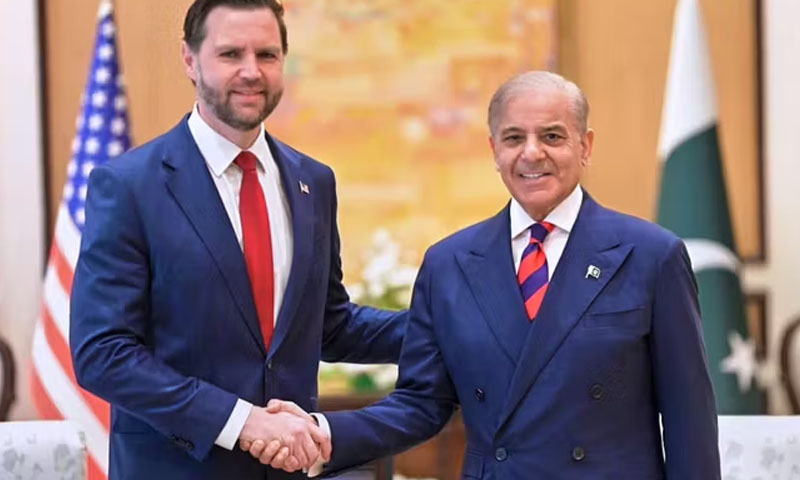
Pakistan is widely viewed as playing a central facilitating role in this effort, with its diplomatic engagement helping maintain dialogue between Washington and Tehran. Under the leadership of Prime Minister Shehbaz Sharif, Islamabad is positioning itself as a key intermediary focused on preventing escalation and encouraging continued negotiations.
Reports also suggest that despite heightened rhetoric from both sides, a ceasefire framework or de-escalation understanding is still holding, which analysts interpret as a sign that the broader process has not collapsed. This has fueled expectations that involved parties may seek either a formal agreement or an extension of talks before existing arrangements expire.
However, significant uncertainty remains regarding the exact timing, venues, and formal structure of any next round of discussions. Much of the circulating detail remains unverified, reinforcing the need to clearly separate confirmed facts from speculation in public discourse.
While diplomatic momentum is still developing, there is a growing view that sustained engagement, rather than immediate resolution, remains the defining feature of the current phase. In that context, Pakistan’s facilitation role continues to attract attention as both sides explore potential pathways forward.
