


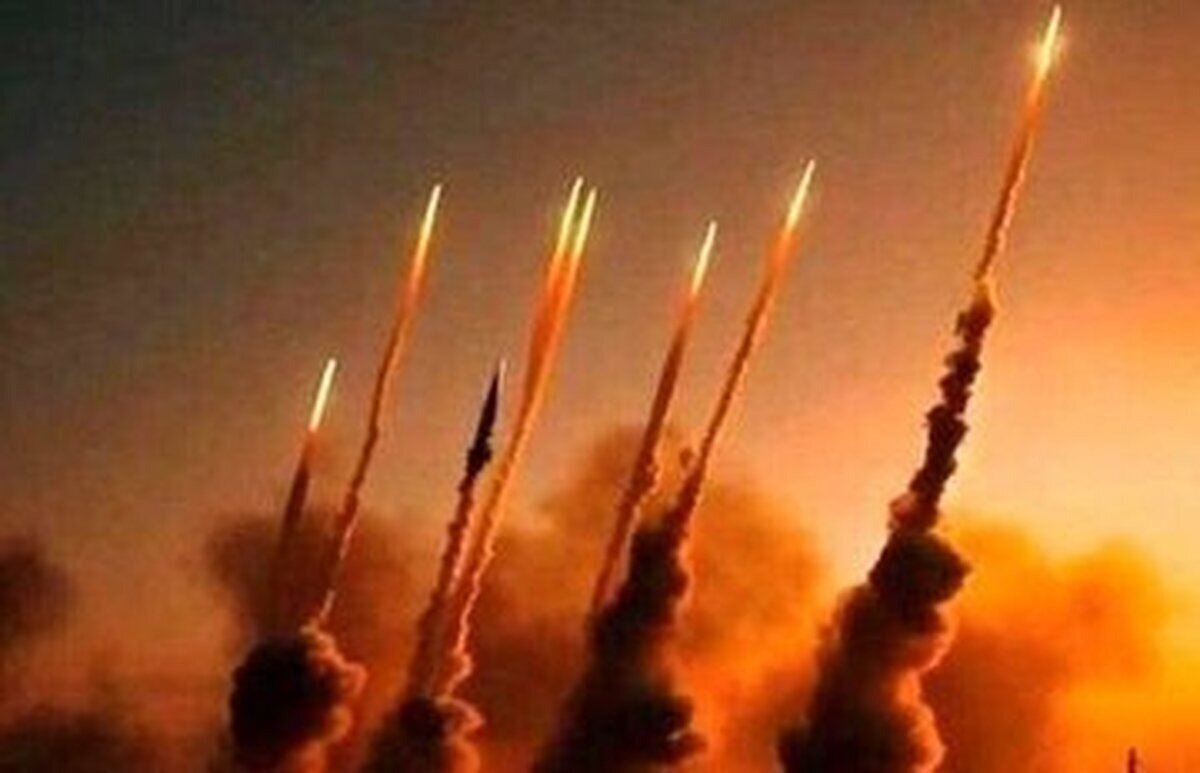
A new analysis by the Center for Strategic and International Studies has revealed that the United States military expended a significant portion of its advanced missile inventory during its seven-week campaign against Iran, raising concerns about long-term readiness.
According to the report, nearly half of the US stockpile of Patriot interceptor missiles was used during the operation. The study also found that more than half of Terminal High Altitude Area Defence interceptors, over 45% of Precision Strike Missiles, and substantial portions of other key munitions were depleted in what has been described as an intensive air and missile campaign.
Additional figures indicate that more than 20% of Joint Air-to-Surface Standoff Missiles, over 30% of SM-3 interceptors, and at least 10% of SM-6 missiles were used as part of Operation Epic Fury. The scale of usage highlights the intensity of the conflict and the heavy reliance on high-end precision weaponry.
The report warns that replenishing these stockpiles could take between one and four years, particularly for systems such as Tomahawk cruise missiles and JASSMs, which are considered critical for any future conflict scenario, especially in the Western Pacific.
Analysts noted that even before the Iran campaign, US munitions reserves were considered insufficient for a potential large-scale conflict with a major power like China. The latest depletion has further widened that gap, potentially affecting strategic preparedness.
Despite these concerns, the United States Central Command has stated that efforts are already underway to rebuild operational capacity. Commander Brad Cooper confirmed that forces are rearming, adjusting tactics, and preparing for future contingencies.
Speaking alongside Defence Secretary Pete Hegseth, Cooper emphasised the military’s ability to adapt quickly, stating that ongoing adjustments during the ceasefire are part of maintaining operational superiority.
Meanwhile, under the leadership of Donald Trump, the administration has signalled plans to significantly ramp up weapons production, with a focus on advanced systems. Pentagon officials have also defended current capabilities, insisting that the US military remains fully equipped to respond to any mission requirements.
Pentagon spokesperson Sean Parnell dismissed concerns about stockpile shortages, calling such claims exaggerated. At the same time, budget officials, including Jules Hurst, have proposed extending long-term munitions contracts to strengthen supply chains and ensure sustained production.
The findings underline a critical challenge for Washington: balancing immediate operational demands with long-term strategic readiness in an increasingly complex global security environment.
