

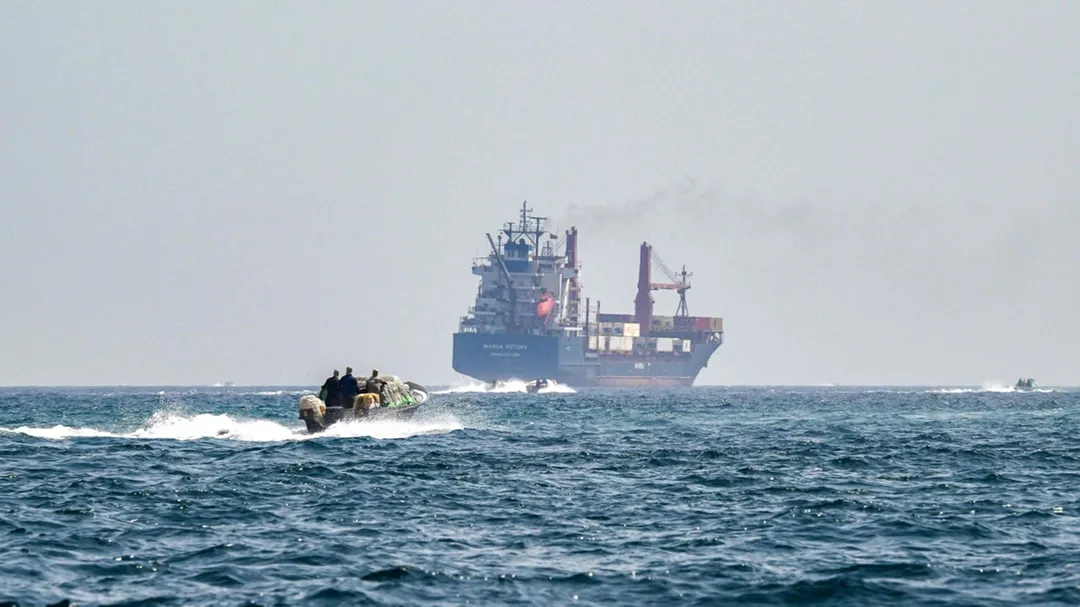
Iran has seized two vessels in the strategically vital Strait of Hormuz, escalating tensions in the region even as diplomatic efforts struggle to gain momentum. According to Iran’s semi-official Tasnim News Agency, the Islamic Revolutionary Guard Corps intercepted the ships over alleged maritime violations and escorted them into Iranian waters.
The seizures mark the first such incidents since the latest phase of hostilities began in late February. Earlier, the United Kingdom Maritime Trade Operations reported that at least three vessels came under attack in the same area. One ship was reportedly approached northeast of Oman before being hit by gunfire and rocket-propelled grenades, causing heavy damage to its bridge, though no casualties were reported.
The Strait of Hormuz remains one of the world’s most critical energy corridors, facilitating nearly 20% of global oil and liquefied natural gas shipments. Iran has repeatedly warned that it may restrict access to the passage amid its ongoing standoff with the United States.
The developments came shortly after US President Donald Trump signalled a conditional pause in military action against Iran, reportedly following mediation efforts involving Pakistan. However, he also indicated that US naval operations targeting Iranian maritime activity would continue, underscoring the fragile nature of the situation.
Tehran has yet to formally respond to Trump’s remarks, though state-linked commentary has expressed skepticism about Washington’s intentions. Iranian officials have also denied requesting any ceasefire extension.
Pakistan’s diplomatic efforts to mediate between Tehran and Washington have encountered setbacks. Sources revealed that preparations for potential talks in Islamabad were completed, but neither side ultimately participated. Despite this, Pakistani officials maintain that engagement efforts are ongoing, aimed at bridging differences while managing sensitivities.
Meanwhile, maritime tensions continue to intensify. Iran has increasingly asserted control over the Strait, targeting vessels it claims violate its regulations. These incidents have heightened global concerns about energy supply security and the risk of broader escalation.
At the core of the standoff lies the unresolved dispute over Iran’s nuclear programme. Washington continues to demand limits on uranium enrichment, while Tehran insists its programme is peaceful and within its rights under international agreements. Iran has also called for sanctions relief and recognition of its maritime authority in the region.
With diplomacy stalled and confrontations at sea increasing, the situation remains volatile, with potential implications for global trade, energy markets, and regional stability.
