
Close Menu
    • Home
    • Pakistan
      • Balochistan
      • Khyber Pakhtunkhwa
    • Afghanistan
    • Iran
    • Middle East
    • Opinions
    Facebook X (Twitter) Instagram
    Facebook X (Twitter) Instagram YouTube
    Counter Terrorism Blog | Ground Zero
    Subscribe
    • Home
    • Pakistan
      • Balochistan
      • Khyber Pakhtunkhwa
    • Afghanistan
    • Iran
    • Middle East
    • Opinions
    Counter Terrorism Blog | Ground Zero
    Home » Afghanistan’s Opium Ban and the State’s Failure to Protect Its Farmers
    Opinions

    Afghanistan’s Opium Ban and the State’s Failure to Protect Its Farmers

    Web Desk2By Web Desk2December 30, 2025No Comments2 Mins Read
    Afghanistan’s Opium Ban and the State’s Failure to Protect Its Farmers
    Share
    Facebook Twitter Email Copy Link WhatsApp

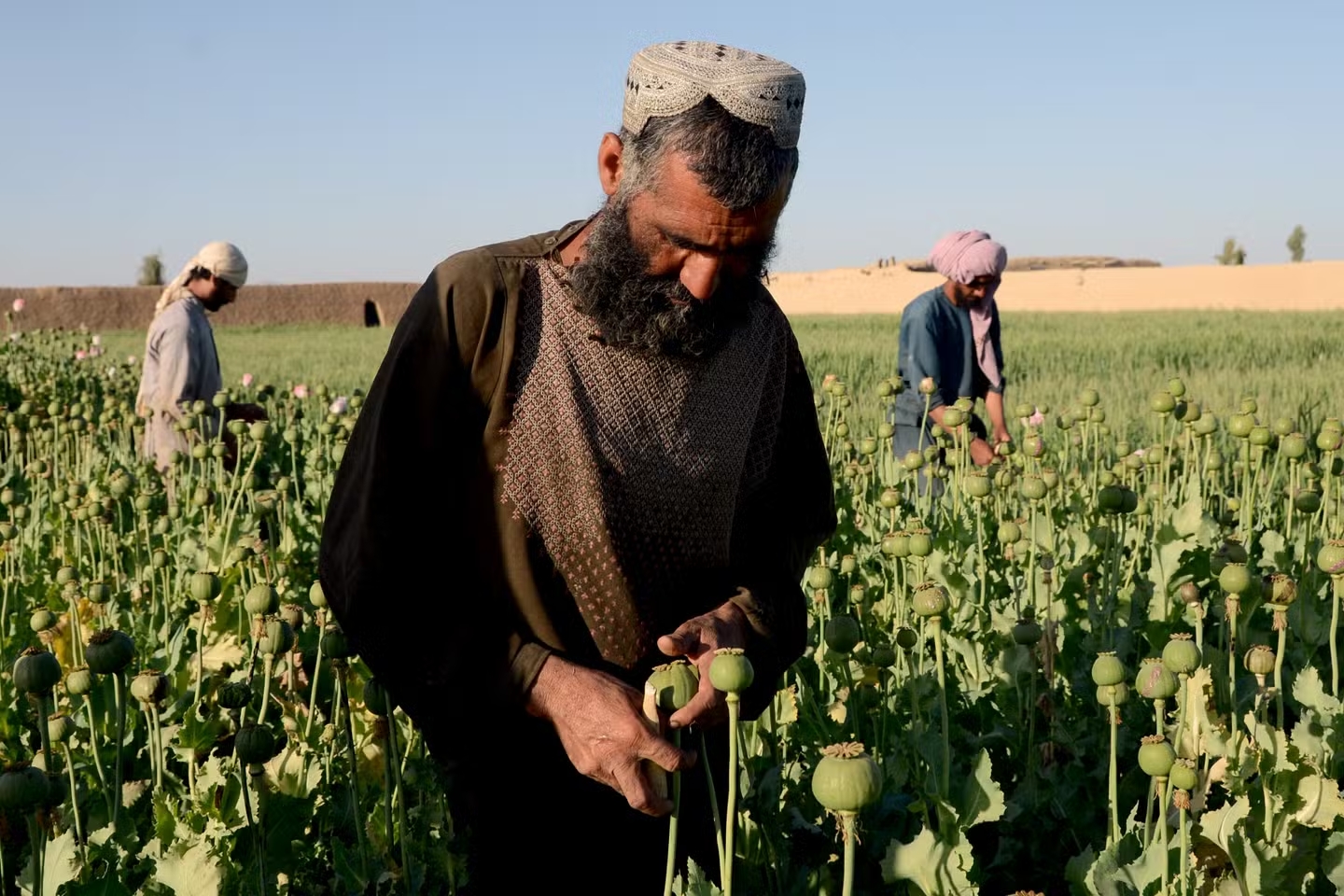
    Afghanistan’s April 2022 opium ban was hailed internationally as a bold step toward eliminating one of the world’s largest illicit drug economies. Yet, beneath the surface of compliance lies a story of state failure, economic hardship, and neglect. Recent UNODC findings from Badakhshan, Balkh, and Kunduz reveal a stark reality: the Afghan government has abandoned its farmers, leaving them to bear the full weight of this abrupt policy without meaningful support.

    Around 85% of households that once depended on poppy cultivation have failed to replace their lost income. The solution imposed on them was not voluntary but enforced, pushing farmers toward low-value crops like wheat that generate just $770 per hectare, compared to nearly $10,000 per hectare from opium. Compliance may be high, but it has come at the cost of deepening rural poverty.

    The Afghan state’s failure is evident. Policies that transform livelihoods require more than bans—they require planning, support, and alternatives. Farmers are expected to abandon a lucrative crop that sustained generations, yet no meaningful programs for income diversification, market access, or livelihood development have been provided. The result is a rural economy trapped in poverty, with communities struggling to survive rather than thrive.

    Even where poppy cultivation shows signs of returning, it is not a matter of choice but enforcement. This underscores a critical point: the government has imposed restrictions but failed in its responsibility to provide pathways for sustainable livelihoods. In effect, the ban has punished ordinary Afghans while leaving the structural conditions of poverty untouched.

    The consequences go beyond economics. Rural hardship fuels instability, social discontent, and dependence on illicit economies. A government that cannot shield its citizens from such fallout risks eroding both trust and security. Afghanistan’s farmers are compliant, yes—but at what cost? Without urgent attention to economic alternatives, the policy’s success on paper becomes a humanitarian failure in practice.

    Afghanistan Farmer Livelihoods Government Neglect Northern Afghanistan Opium Ban Rural Poverty State Failure UNODC
    Follow on Flipboard Follow on Facebook Follow on X (Twitter) Follow on Instagram Follow on WhatsApp
    Share. Facebook Twitter Email Copy Link WhatsApp
    Web Desk2
    • Website

    Related Posts

    Takhar and the Weaponization of Geography in Taliban-Era Afghanistan

    January 8, 2026

    The Asim Munir Doctrine: Zero Tolerance, Zero Ambiguity

    January 6, 2026

    PTI Stands with Terrorists While Pakistan Buries Its Children

    January 6, 2026

    Citizens by Law, Outsiders by Ideology: India’s Identity Crisis

    January 6, 2026

    The End of Excuses in the War on Terror

    January 6, 2026

    Pakistan–China Call for Verifiable Action on Afghan-Based Militancy: Why It Matters for Regional Stability

    January 5, 2026
    Add A Comment
    Leave A Reply Cancel Reply

    GZ YouTube Channel
    Ground Zero YouTube
    Editors Picks

    Takhar and the Weaponization of Geography in Taliban-Era Afghanistan

    January 8, 2026

    The Asim Munir Doctrine: Zero Tolerance, Zero Ambiguity

    January 6, 2026

    PTI Stands with Terrorists While Pakistan Buries Its Children

    January 6, 2026

    Citizens by Law, Outsiders by Ideology: India’s Identity Crisis

    January 6, 2026

    The End of Excuses in the War on Terror

    January 6, 2026
    Facebook X (Twitter) Instagram YouTube
    • About Ground Zero
    • Terms of Use
    • Privacy Policy
    • Sitemap
    • Contact Us
    © 2026 Ground Zero. Designed by Khyber Digital.

    Type above and press Enter to search. Press Esc to cancel.