


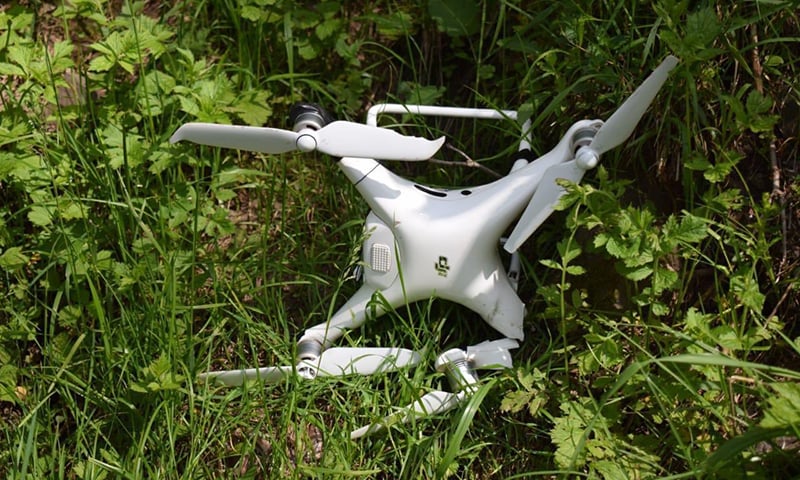
The recent drone infiltration attempts, repelled successfully by the Pakistan Army, are more than just a tactical victory—they are a testament to the vigilance, precision, and evolving technological capability of our armed forces under the steadfast leadership of Field Marshal Asim Munir. In a region plagued by hybrid warfare and covert aggressions, Pakistan’s defense apparatus continues to operate as an unbreakable shield against both physical incursions and psychological subversion.
According to the ISPR, two separate attempts by militants linked to “Fitna al Khwarij”—a term increasingly used to describe Indian-sponsored terrorist proxies—were made on the nights of July 1st and 2nd. These attempts were launched via drones, an indication of how enemy elements are escalating their methods of intrusion and chaos. However, they failed. Miserably.
Let us be clear: these drones are not merely tools of reconnaissance. They represent a modern, remote-controlled manifestation of cowardice—cheap warfare funded by hostile agencies who fear direct confrontation with Pakistan’s armed forces. And while our adversaries thought they could exploit the element of surprise or technology to break through, they were met with surveillance grids, electronic countermeasures, and lethal precision strikes. The system worked. The Army was ready.
This is not just a military win; it’s a strategic signal. A signal to India and its proxies that Pakistan’s borders are sealed with more than fences—they’re protected by trained eyes, fast-response units, and an iron will. It also sends a message to those in the political class and media who remain undecided in their loyalties: the enemy is real, and it wears many masks—some armed with explosives, others with cameras, hashtags, or microphones.
More importantly, this successful operation underscores the Army’s shift from traditional warfare to a multi-dimensional security doctrine. With drones being neutralized and handlers identified through actionable intelligence, Pakistan is clearly not a passive target anymore. We are adapting, upgrading, and anticipating.
There are some who will question the authenticity of such ISPR statements, as they always do. To them, the answer is simple: look at the pattern of attacks, examine the post-operation silence from enemy platforms, and study the hesitation of Indian military and media to respond—proof that the narrative didn’t go their way.
While politicians squabble and dissenters stir confusion, the Pakistan Army continues to guard not just our borders but our very identity. The infiltration attempts repelled on these two nights are a silent but powerful example of that.
In this battlefield of shadows, drone warfare is just the latest chapter. But for every drone they send, we send a message back—loud and clear: You will not pass.
