


Pakistan–China Call for Verifiable Action on Afghan-Based Militancy: Why It Matters for Regional Stability
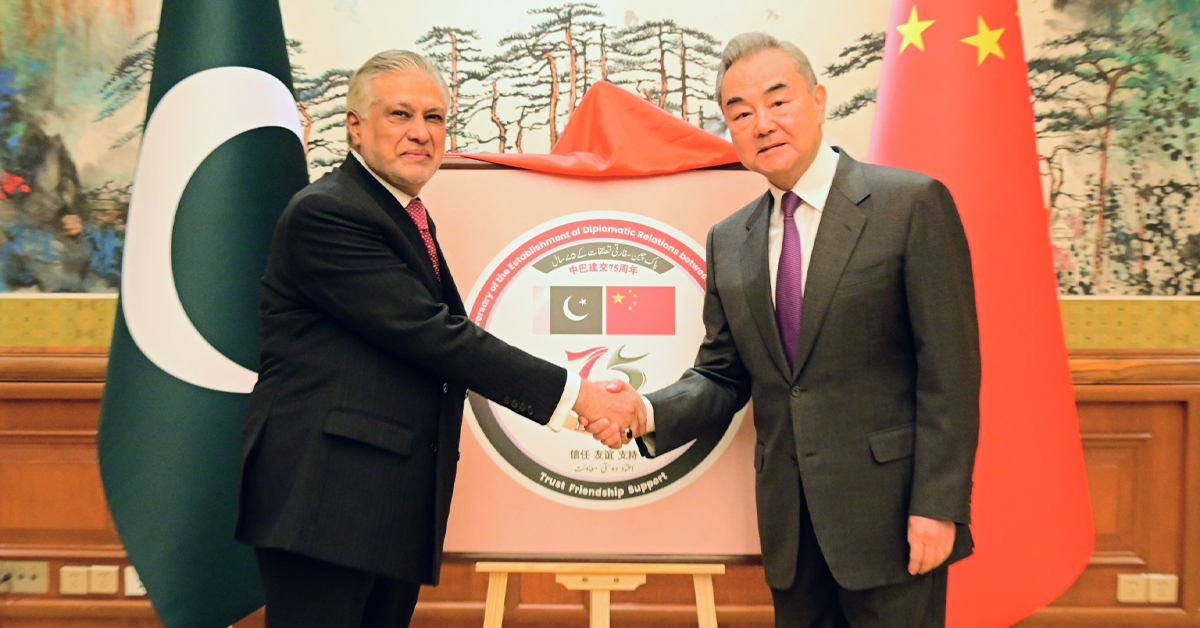
The joint Pakistan–China call for “visible and verifiable” action against terr0rist groups operating from Afghan territory marks a decisive moment in regional diplomacy. Issued after the 7th round of the Pakistan–China Foreign Ministers’ Strategic Dialogue in Beijing, the communique goes beyond routine statements. It reflects a shared assessment that ambiguity on militancy has outlived its usefulness.
From an opinion standpoint, this stance is both timely and necessary. Regional secu-rity cannot rest on assurances alone. It requires measurable outcomes, sustained cooperation, and accountability. Pakistan and China are signaling that stability in South and Central Asia hinges on concrete action, not rhetorical commitments.
For years, regional states have suffered from cross-border militancy while being offered vague pledges of control. The insistence on actions that are both visible and verifiable sets a higher bar. It demands results that can be observed, assessed, and trusted.
This approach aligns with international best practice in counter-terr0r cooperation. Effective policy depends on evidence, not intent. By framing their demand this way, Pakistan and China are advocating a rules-based regional order where commitments translate into outcomes.
Moreover, this standard protects legitimate governance efforts in Afghanistan. Clear benchmarks help separate genuine progress from symbolic gestures. As a result, the focus shifts from blame to performance.
Pakistan’s position carries moral and strategic weight. Few countries have paid a higher price in combating terr0r networks. The loss of lives, economic disruption, and long-term secu-rity challenges are well documented.
China’s explicit recognition of Pakistan’s sacrifices is significant. It reinforces Islamabad’s credibility when it calls for zero tolerance against militancy. This recognition also counters narratives that overlook Pakistan’s role as a frontline state.
Pakistan’s demand is not confrontational. It is preventative. Islamabad seeks assurance that Afghan territory will not become a staging ground for groups that destabilize the region and threaten development projects. China’s involvement reflects pragmatic concerns. As Belt and Road cooperation deepens, secu-rity becomes inseparable from economic progress. Projects, personnel, and institutions require a stable environment.
Beijing’s support for Pakistan’s counter-terr0r efforts signals a convergence of interests. It also underscores China’s preference for stability through development, rather than conflict escalation. China’s role adds diplomatic weight. Its call for verifiable action carries influence with Kabul and the broader international community. This elevates the issue from bilateral concern to regional priority.
Afghanistan remains pivotal. Stability there benefits all neighbors. Instability reverberates across borders. Pakistan and China acknowledge this reality by pairing their demand with encouragement for inclusive governance, moderate policies, and economic development. This balanced approach deserves emphasis. It avoids isolation while insisting on responsibility. Encouraging integration into the international community, while demanding accountability on militancy, creates a dual incentive structure.
In opinion, this framework offers Afghanistan a pathway forward. Cooperation brings opportunity. Non-compliance invites continued pressure. The joint rejection of double standards in counter-terr0rism is a critical message. Selective enforcement undermines global secu-rity and erodes trust among states.
Pakistan and China’s zero-tolerance stance calls for consistency. Terr0r networks cannot be categorized as acceptable or unacceptable based on political convenience. This principle strengthens international norms. It also challenges global actors to align rhetoric with action, particularly in regions where militancy has been historically instrumentalized.
The linkage between counter-terr0r efforts and development cooperation is explicit. An upgraded version of CPEC underscores confidence, but it also raises the stakes.Secu-rity failures jeopardize economic gains. Conversely, successful development reduces the appeal of militancy. Pakistan and China appear aligned on this virtuous cycle.
Opinion-wise, this integration of secu-rity and economics reflects strategic maturity. It recognizes that lasting stability comes from opportunity, connectivity, and shared prosperity.
The communique’s emphasis on the UN Charter, international law, and opposition to unilateral actions signals broader ambitions. Pakistan and China are advocating a regional order grounded in dialogue and legal frameworks.
This stance gains relevance in South Asia, where unresolved disputes and unilateral measures have fueled tensions. Reaffirming peaceful resolution mechanisms strengthens diplomatic pathways.
In opinion, such consistency enhances credibility. It positions both countries as proponents of stability rather than escalation.
The dialogue covered extensive ground, from multilateral cooperation to people-to-people exchanges. This breadth matters. Counter-terr0r cooperation works best when embedded in comprehensive relationships.
China’s support for Pakistan’s economic reforms and Pakistan’s endorsement of the one-China principle illustrate mutual trust. This trust underpins their joint positions on secu-rity. Statements alone do not secure peace. The real test lies in follow-through. Will there be measurable reductions in cross-border militancy? Will verification mechanisms gain acceptance?
Pakistan and China have set expectations. The international community now watches outcomes. Transparent engagement, sustained pressure, and incentives for compliance will determine success. From an opinion standpoint, patience must pair with firmness. Progress may be gradual, but standards should not dilute.
