


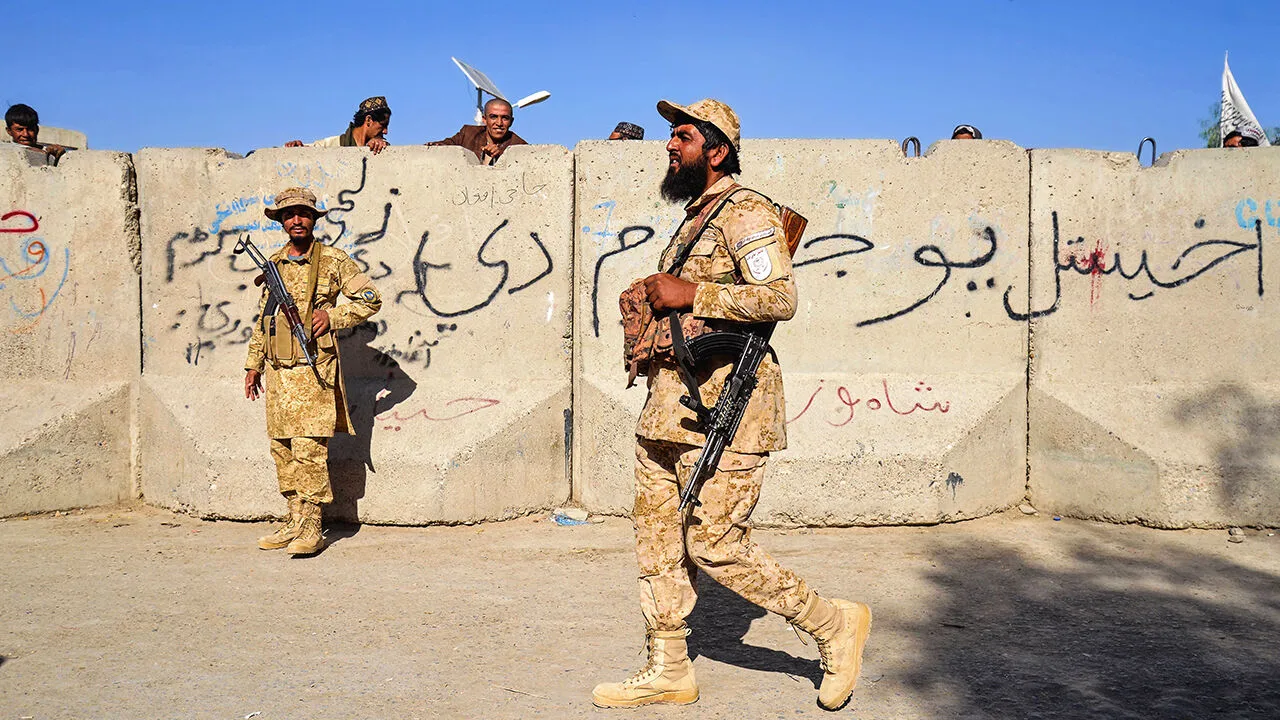
As international attention focuses on the verified presence of the Tehrik-e-Taliban Pakistan (TTP) in Afghanistan and their ongoing links with the Taliban leadership, Kabul has sought to mislead the global community. By falsely accusing Pakistan of harboring ISIS-K, the Afghan Taliban are trying to create a diplomatic illusion of parity. This claim ignores clear operational evidence and Pakistan’s long-standing sacrifices in the fight against terrorism.
ISIS-K’s Afghan Roots
ISIS-K did not emerge from Pakistan. The group originated in Afghanistan’s eastern provinces, primarily Nangarhar and Kunar, around 2014, formed by disgruntled TTP and Taliban defectors after Pakistan’s military operations in Bajaur. These militants found safe havens in Afghanistan’s rugged terrain, exploiting gaps in the previous government’s security. The Taliban’s takeover in 2021 further enabled ISIS-K’s resurgence, including the mass release of prisoners from Pul-e-Charkhi and Bagram, giving the group manpower to reorganize. International observers repeatedly note that ISIS-K’s growth stems from Afghanistan’s weak enforcement, not Pakistan.
ISIS-K’s War on Pakistan
Pakistan has consistently borne the brunt of ISIS-K’s attacks. From the 2022 suicide bombing in Peshawar claiming over 60 lives, to the Mastung blast in 2023 killing 60 during a religious procession, and the July 2023 Bajaur political convention attack, ISIS-K has repeatedly targeted Pakistani civilians. The Pakistani military and intelligence have relentlessly pursued the group, arresting key figures like Sultan Aziz Azzam, the group’s chief propagandist, and neutralizing numerous militants across Khyber Pakhtunkhwa and Balochistan. These operations have dismantled ISIS-K’s networks and disrupted attacks in Pakistan and beyond.
Facts vs. Taliban Rhetoric
The Taliban’s claims that Pakistan harbors ISIS-K collapse under scrutiny. Pakistani intelligence has repeatedly captured high-value ISIS-K operatives, proving Pakistan’s active role against the group. Arrests of leaders like Azzam directly contradict Kabul’s narrative. United Nations reports, including document S/2025/796, confirm Pakistan’s efforts in disrupting ISIS-K’s command, recruitment, and attack planning. Pakistan’s actionable intelligence has even prevented major attacks in Afghanistan, highlighting that the country is a partner in regional security, not a sponsor of terrorism.
The geography of the threat is clear: ISIS-K thrives in Afghanistan. Pakistan’s military and intelligence forces have consistently acted to neutralize the group, safeguarding not just Pakistan, but the region. It is time for the Taliban to recognize facts over rhetoric and engage in genuine counter-terrorism cooperation. Pakistan’s record proves that results matter more than hollow accusations.
