


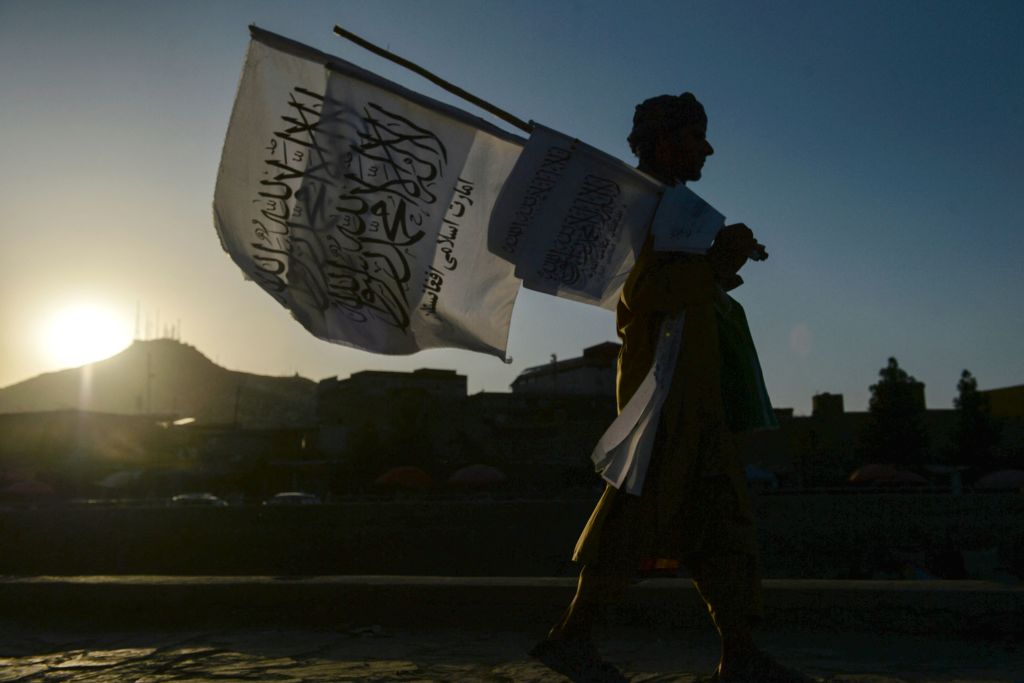
The Taliban’s newly circulated Criminal Procedure Code is not a religious document. It is a political fraud wrapped in religious language, designed to protect power, not uphold faith. By presenting a rigid, class-based justice system as Sharia, the Taliban are not merely misinterpreting Islam. They are actively dismantling its moral core and weaponizing its symbols to entrench their own unaccountable rule.
Islam did not emerge as a faith of privilege. It emerged as a revolt against it. Seventh-century Arabia was a society stratified by lineage, wealth, and tribal dominance. Islam shattered that order by declaring moral and legal equality as non-negotiable. The early Muslim community was built on Musawah, the principle that no believer stood above the law. That principle is precisely what the Taliban have now buried under clerical immunity and social hierarchy.
Article 9 of the Taliban’s criminal code formalizes what Islam historically fought to abolish. Religious elites are exempted from real punishment. For them, crime invites advice, not consequence. Social elites receive counseling instead of confinement. The full weight of the law is reserved for ordinary citizens, who face imprisonment, and for the poor, who are subjected to both incarceration and public flogging. This is not Sharia. It is aristocracy enforced through theology.
The Taliban’s defenders may argue that scholars deserve deference. Islam disagrees. The Prophet Muhammad did not elevate religious authority above justice. He shattered that illusion publicly. When an elite woman from the Makhzum tribe was found guilty of theft, attempts were made to secure leniency. The Prophet’s response was devastating in its clarity. He warned that nations perish when laws are enforced against the weak and suspended for the powerful. He declared that even his own daughter would not be spared. This was not rhetoric. It was the foundation of Islamic justice.
By institutionalizing legal immunity for clerics, the Taliban have done what the Prophet explicitly condemned. They have rebuilt the very system Islam once dismantled. In doing so, they have exposed their real fear. Accountability. A regime confident in its moral authority does not need to shield its scholars from law. Only a regime terrified of scrutiny builds sanctuaries for its own class.
This betrayal is not accidental. It is structural. The Taliban understand that religious legitimacy is their last remaining currency. Instead of honoring it, they are spending it recklessly. By transforming Sharia into a tool of elite protection, they have reduced faith to an enforcement mechanism rather than a moral compass. The result is not religious order but theological decay.
Even more damning is how the Taliban’s code contradicts the legacy of the earliest Islamic rulers. Umar ibn al-Khattab, the second Caliph, was feared not by the poor but by the powerful. He punished governors and their families when they violated the rights of ordinary citizens. He did not ask about lineage. He asked about justice. The Taliban’s legal system does the opposite. It shields the sons of authority and brutalizes the sons of poverty.
This is not the revival of an Islamic system. It is the resurrection of pre-Islamic hierarchy, dressed in Islamic vocabulary. Where Islam collapsed caste, the Taliban have codified it. Where Islam demanded evidence, they demand confession. Where Islam restrained power, they sanctify it.
The Taliban’s greatest crime is not that they violate international law. It is that they have declared war on Islamic ethics itself. By dismantling equality before the law, they have severed their last credible claim to religious governance. What remains is not Sharia, not justice, and not faith. It is a regime using God’s name to excuse its own moral cowardice.
