

Iran’s nuclear doctrine, a cornerstone of its national security strategy, is under scrutiny once again as tensions escalate with Israel. An adviser to Iran’s supreme leader, Ayatollah Ali Khamenei, has hinted at a potential shift in Tehran’s approach if its existence is threatened by the Israeli regime. This latest statement adds to the ongoing debate surrounding Iran’s nuclear intentions.
For years, Tehran has vehemently denied any ambition to acquire nuclear weapons, insisting that its program is solely for peaceful purposes. However, suspicions from Western governments persist, alleging that Iran seeks nuclear technology for military ends. This suspicion has fueled a protracted dispute, resulting in international sanctions against Iran.
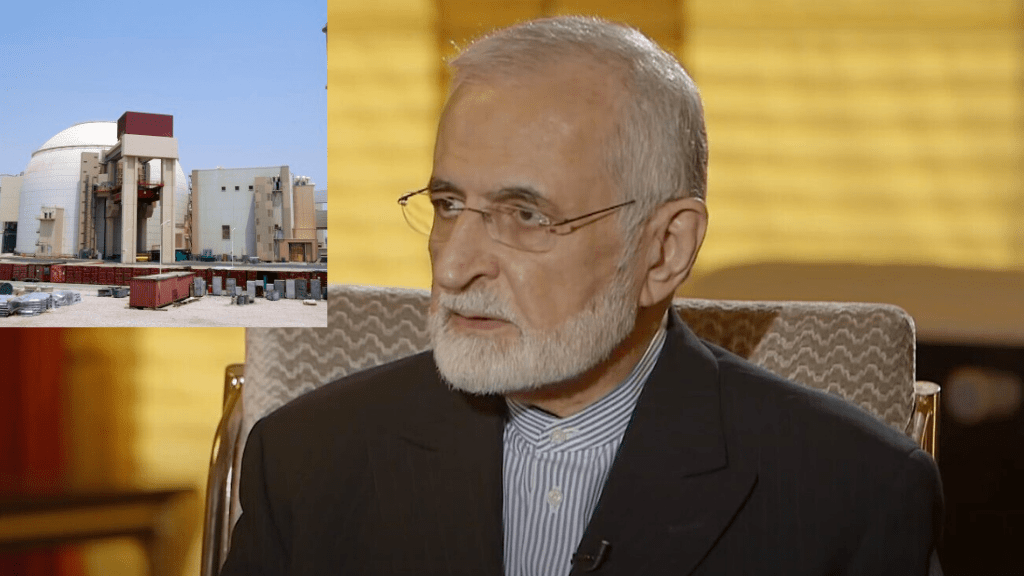
Amidst a tense standoff with Israel, a senior Iranian Revolutionary Guards commander previously hinted at the possibility of altering Iran’s nuclear doctrine in response to Israeli threats. Now, Kamal Kharrazi, an influential adviser to Ayatollah Khamenei, has echoed similar sentiments. Emphasizing Iran’s reluctance to pursue nuclear armament, Kharrazi underscored the potential for strategic adaptation should Iran’s security be jeopardized.
In 2022, Kharrazi acknowledged Iran’s technical capability to develop nuclear weapons but emphasized that no decision had been made in that regard. Khamenei himself, wielding decisive authority over Iran’s nuclear program, has issued a fatwa prohibiting the production and stockpiling of nuclear arms, deeming their use as religiously forbidden.
However, internal dynamics within Iran’s leadership have hinted at a potential shift under external pressure. The former intelligence minister suggested that Western coercion could push Iran towards nuclearization, further complicating the situation.
Against the backdrop of escalating hostilities with Israel, Kharrazi’s recent remarks highlight the precarious balance Tehran seeks to maintain. Referring to Israel as the “Zionist regime,” Kharrazi warned of potential repercussions in the event of an attack on Iran’s nuclear facilities, signaling a willingness to recalibrate Iran’s deterrence strategy.
The enmity between Iran and Israel, longstanding and deep-rooted, has escalated from clandestine skirmishes to open confrontation. April saw a significant escalation, with Iran launching a barrage of missiles and drones in retaliation for a suspected Israeli strike on its embassy compound in Damascus. In response, Israel launched its own offensive on Iranian territory, exacerbating tensions further.
Amidst these developments, Iran’s uranium enrichment activities have drawn scrutiny. With enrichment levels approaching 60%, Tehran insists it falls within the bounds of its civilian nuclear program. Yet, concerns linger, particularly regarding the potential for further enrichment to weapons-grade levels. According to the International Atomic Energy Agency (IAEA), Iran’s current uranium stockpile could theoretically yield two nuclear weapons if enriched beyond the current threshold.
As Iran navigates the complex landscape of regional geopolitics, the specter of its nuclear program looms large. The implications of its nuclear doctrine, shaped by existential threats and geopolitical rivalries, reverberate far beyond the confines of the Middle East, posing a challenge for global security and diplomacy.
