

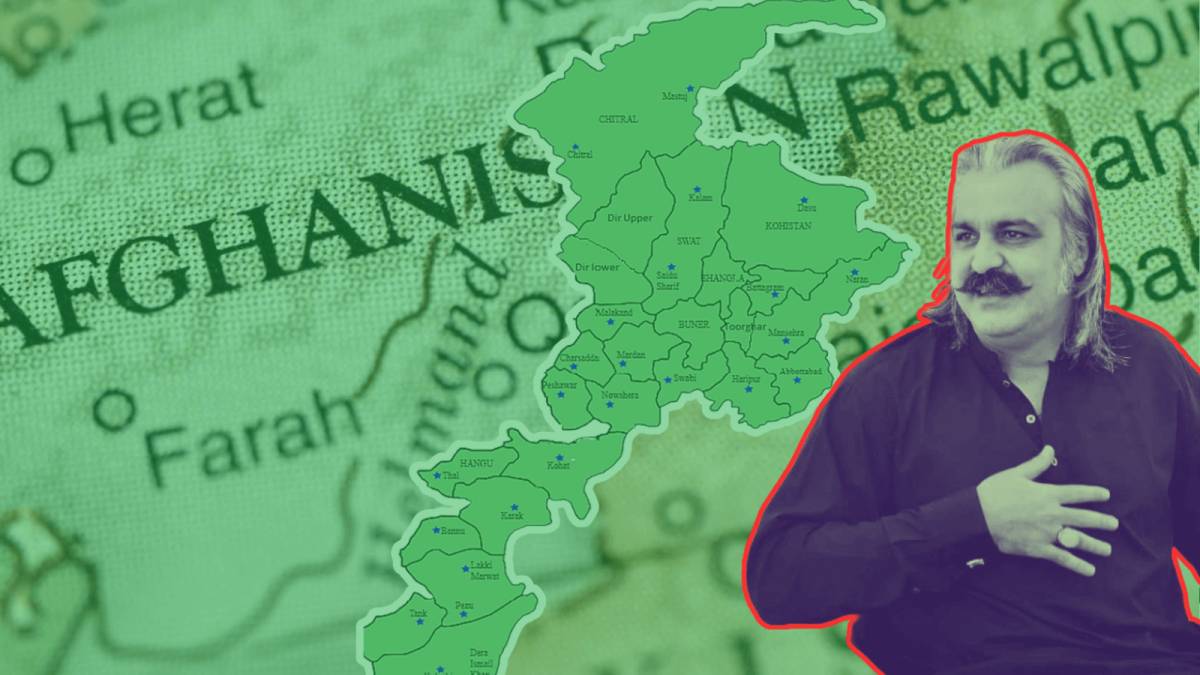
The latest developments in Khyber Pakhtunkhwa’s political landscape under the PTI (Pakistan Tehreek-e-Insaf) government paint a worrying picture of inefficiency and political mismanagement. With one ministry and three ministers, the situation is not only absurd but a clear reflection of how the ruling party is more focused on appeasing its members than serving the common people.
Despite having a three-quarters majority in the province, PTI has resorted to appointing five unelected individuals to key ministerial positions. While one might argue that in coalition governments, the distribution of ministries is necessary to keep various parties satisfied, the logic falls flat in the case of Khyber Pakhtunkhwa.
With such a clear majority, there should be no need to placate a handful of unelected figures. Yet, the PTI has continued to prioritize its internal interests, showcasing their disregard for efficiency and effective governance.
This is not just a political misstep; it is a blatant display of the growing culture of corruption and favoritism within the PTI ranks. The lavish political appointments, while the province faces economic struggles, only serve to further entrench the entrenched political elites.
What is even more concerning is the fact that despite Pakistan’s dwindling economy and soaring inflation, the government continues to create a political structure that is more about personal gain than addressing the real issues faced by the common people.
As Pakistan grapples with its economic challenges, including high inflation, rising debt, and unemployment, the PTI’s approach to governance appears out of touch with the harsh realities faced by the people. Instead of focusing on reforms that could address the crumbling economy and improve the lives of ordinary citizens, the government’s attention remains fixated on creating positions to please its loyalists.
With 32 ministers in total for a province that doesn’t require such a bloated government, it’s clear that this is more about political survival than the public’s welfare.
The increase in unelected ministers and the evident corruption within the PTI government signal a deeper problem in Pakistan’s political landscape: a system where the needs of the people are ignored in favor of consolidating power within a select few.
The public is left to bear the brunt of this inefficiency, while political elites continue to line their pockets and hold onto power.
The PTI’s strategy is now clear: please your party members, expand your political base, and ensure your own survival in power, all at the expense of the very citizens who voted for change.
The government’s failure to provide real solutions for Pakistan’s economic woes and its focus on personal gains only further alienates the public and deepens the divide between the ruling class and the common people.
In conclusion, PTI’s governance in Khyber Pakhtunkhwa is a microcosm of what is happening across Pakistan. Rather than focusing on the country’s most pressing issues corruption, economic instability, and poverty this government continues to prioritize power consolidation and appeasing a select group of loyalists. If this trend continues, Pakistan’s hopes for meaningful reform and economic recovery will remain just that.
The time has come for the leadership to stop pleasing their own party members and start focusing on the people who entrusted them with power. Only then can we hope to see real change.
