

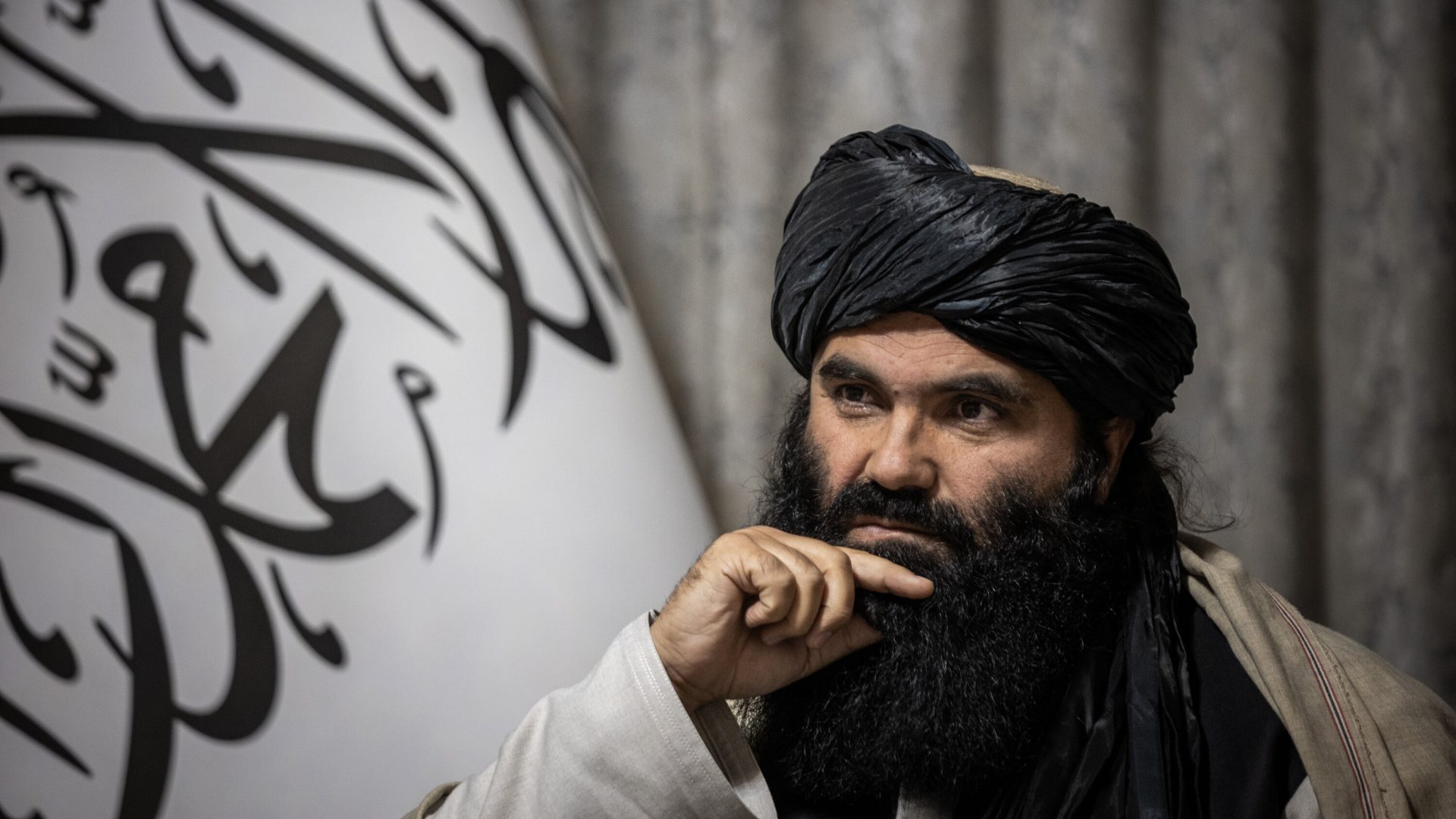
Afghanistan is once again at a crossroads as reports emerge of a political coup within the Taliban. Sirajuddin Haqqani, a figure long associated with the Haqqani Network, has allegedly seized control, marking a significant shift in the country’s leadership.
This development suggests a culmination of the growing divide between the so-called “Kandahar Taliban” faction, led by Maulavi Haibatullah Akhundzada, and the “Kabul Taliban,” dominated by the Haqqani family.
This internal power struggle has been simmering for years. The Taliban, after regaining control in 2021, attempted to project unity, but factional differences persisted. Haibatullah Akhundzada, ruling from Kandahar, represented the more rigid, ideological wing of the Taliban.
In contrast, the Haqqanis, with deep ties to regional networks and international actors, emerged as pragmatic power brokers. This coup, if confirmed, could bring Afghanistan into a new phase of political realignment. However, it also raises serious concerns about external influence and internal stability.
The rise of Sirajuddin Haqqani is not just an internal affair; it reflects broader geopolitical maneuvering. For months, reports have suggested that Washington had been encouraging a shift in power within the Taliban to sideline Haibatullah Akhundzada’s hardline faction.
By supporting a more politically flexible group within the Taliban, the U.S. likely aims to secure its interests in the region without resorting to direct intervention.
Haqqani, with his long-standing ties to both Pakistan and international financial networks, presents a complex figure. His return from Dubai to take control of the Taliban further underscores his growing influence.
While some see this as a potential opportunity for moderated governance and improved foreign relations, others remain skeptical. The Haqqani Network’s history of militant activities, including ties to insurgency operations, cannot be overlooked.
This shift raises questions about the future of peace and security in Afghanistan. Will the Haqqanis leverage their control to stabilize the country through diplomacy and regional cooperation? Or will power struggles persist, pushing Afghanistan deeper into conflict?
Akhundzada’s reported removal, under the guise of mental instability, is symbolic of how far the internal rift within the Taliban has widened. For years, the ideological faction based in Kandahar clashed with the more politically adaptive Haqqani network over issues of governance, security policies, and relations with foreign powers.
This coup signals that the Haqqanis have emerged victorious, likely with the support of external players. However, such foreign influence could deepen anti-Taliban sentiments within Afghanistan, as many Afghans resent the continuous interference of foreign governments in their domestic affairs.
Additionally, those loyal to Akhundzada and the Kandahar faction may not easily accept this transition, risking further internal unrest or even civil war.
If Haqqani’s leadership is to bring stability, he will need to address these divisions swiftly. Inclusivity and regional partnerships, particularly with Iran, China, and Russia, will be key to balancing Afghanistan’s external relations. Failure to do so could lead to further isolation and economic collapse, with ordinary Afghans bearing the brunt of these power games.
The political coup in Afghanistan marks a dramatic turning point. Sirajuddin Haqqani’s rise to power may be seen by some as an opportunity for a more pragmatic approach to governance and foreign relations. However, history teaches us that Afghanistan’s leadership changes are often accompanied by turbulence and resistance.
The key question remains: will the Haqqani faction seek peace and stability, or will it continue to use power for self-serving interests?
The coming weeks will reveal whether this coup is a step toward much-needed reform or a prelude to another period of violence and uncertainty. For the Afghan people, whose hopes for peace have repeatedly been shattered, this leadership change must prioritize their welfare, or it risks becoming yet another chapter of broken promises.
