

The United States has sought to contain rising tensions in the Gulf as its newly launched military initiative, Project Freedom, unfolds against the backdrop of a fragile ceasefire with Iran.
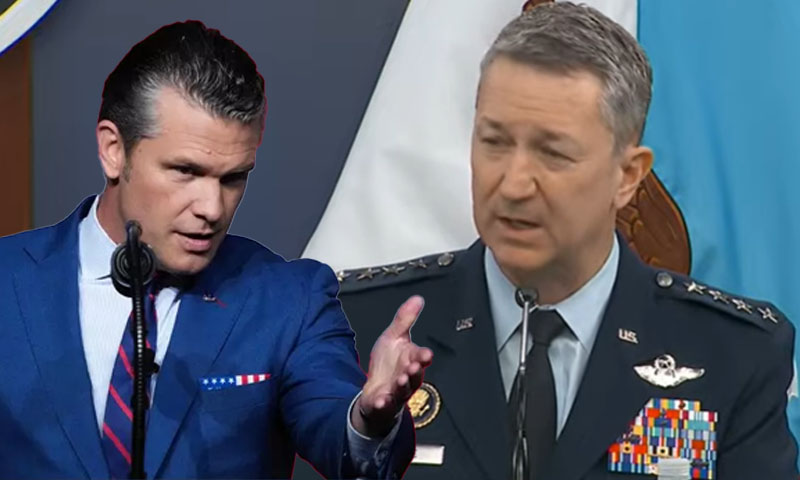
US Defense Secretary Pete Hegseth stated that the operation remains limited, defensive, and carefully calibrated to avoid escalation. Speaking to reporters, he emphasized that the ceasefire between Washington and Tehran is still technically intact, despite recent exchanges of fire in the Strait of Hormuz.
“The ceasefire is not over,” he said, underscoring that US forces have acted strictly to safeguard commercial shipping in the region.
The situation, however, remains volatile. Both sides have accused each other of violations as they compete for influence over the strategically vital maritime corridor.
Read More: India’s Defiance Pushes Indus Waters Treaty to the Brink
The operation was launched by US President Donald Trump, who described Project Freedom as a necessary step to secure global shipping routes after Iran disrupted traffic in the Strait of Hormuz following the outbreak of hostilities on February 28.
Hegseth reiterated that the mission is narrowly focused and temporary, making it clear that US forces will not enter Iranian territory. According to him, the objective is singular: to protect commercial vessels from perceived threats and ensure the flow of global trade.
Despite these assurances, tensions escalated further on Tuesday as both the United States and Iran carried out fresh strikes in the Gulf. Missile and drone exchanges signaled a deepening standoff, even as diplomatic claims of a ceasefire continued.
Reports from the region indicated explosions and fires aboard several merchant ships, while US officials claimed the destruction of six Iranian military boats. In a further escalation, an oil facility in the United Arab Emirates was reportedly set ablaze following missile strikes attributed to Iran.
Washington’s intervention marks its first significant military attempt to restore shipping operations since last month’s ceasefire announcement. However, the effort has so far struggled to stabilize the situation. Major global shipping companies remain hesitant to resume transit through the Strait, citing ongoing security risks.
The unfolding developments highlight a widening gap between declared restraint and realities on the ground, raising concerns about how long the ceasefire can endure under sustained pressure.