

The gradual dismantling of the Indus Waters Treaty (IWT) has now entered a dangerous phase, transforming from a bilateral disagreement into a direct challenge to the global rules-based order.
For decades, the IWT served as one of the few enduring examples of functional diplomacy between Pakistan and India. Today, that framework is being deliberately weakened, not by circumstance, but through a calculated pattern of unilateral actions by New Delhi.
The current crisis goes beyond water disputes. It strikes at the credibility and authority of international law itself.
On 29 January 2026, the Permanent Court of Arbitration (PCA) in The Hague issued a supplemental award along with Procedural Order No. 19. These were not symbolic gestures but binding decisions reaffirming the Court’s jurisdiction and the continued legal validity of the Treaty.
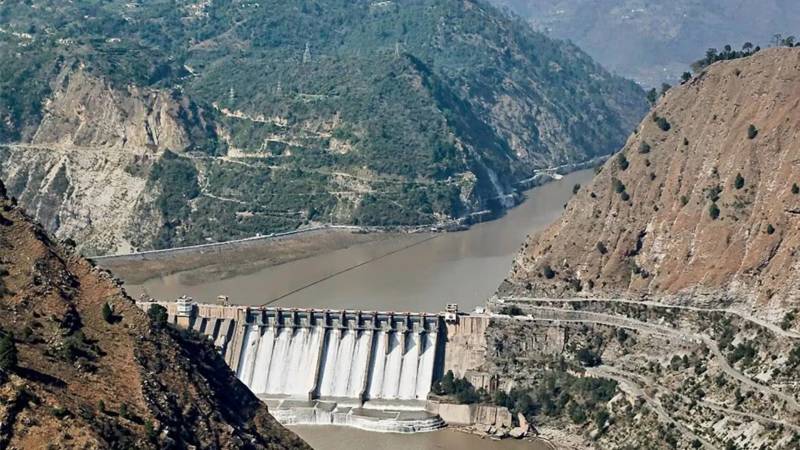
A key requirement of this order was for India to provide operational data related to the Baglihar and Kishanganga hydropower projects. India, however, chose silence. By missing the 9 February 2026 deadline and withholding the required information, New Delhi has effectively signaled that it does not consider itself accountable to international legal mechanisms.
The difference in approach between the two countries is clear. Pakistan has consistently engaged with the arbitration process, respecting legal procedures and reinforcing the role of neutral adjudication. India, on the other hand, has shifted toward unilateralism, sidelining legal obligations and placing the Treaty in a state of uncertainty.
This is no longer just a bilateral issue. When a state disregards the authority of an institution like the PCA, it weakens the credibility of international dispute resolution systems as a whole. If countries begin selectively honoring treaties, the consequences for global governance, especially in transboundary resource management, could be severe.
India’s rejection of the supplemental award and its refusal to share critical data represents a direct challenge to international legal authority. Transparency has been replaced with obstruction, raising serious concerns about accountability.
Such actions introduce a broader instability into the international system. If this behavior is tolerated, the concept of a rules-based order risks becoming meaningless.
India’s non-compliance with Procedural Order No. 19 ultimately damages its credibility as a treaty partner. This leaves the international community with a pressing question: how should persistent defiance of binding agreements be addressed?
A lack of response will only embolden further disregard. For regional stability and the integrity of international law, the authority of The Hague must be reinforced rather than ignored.