

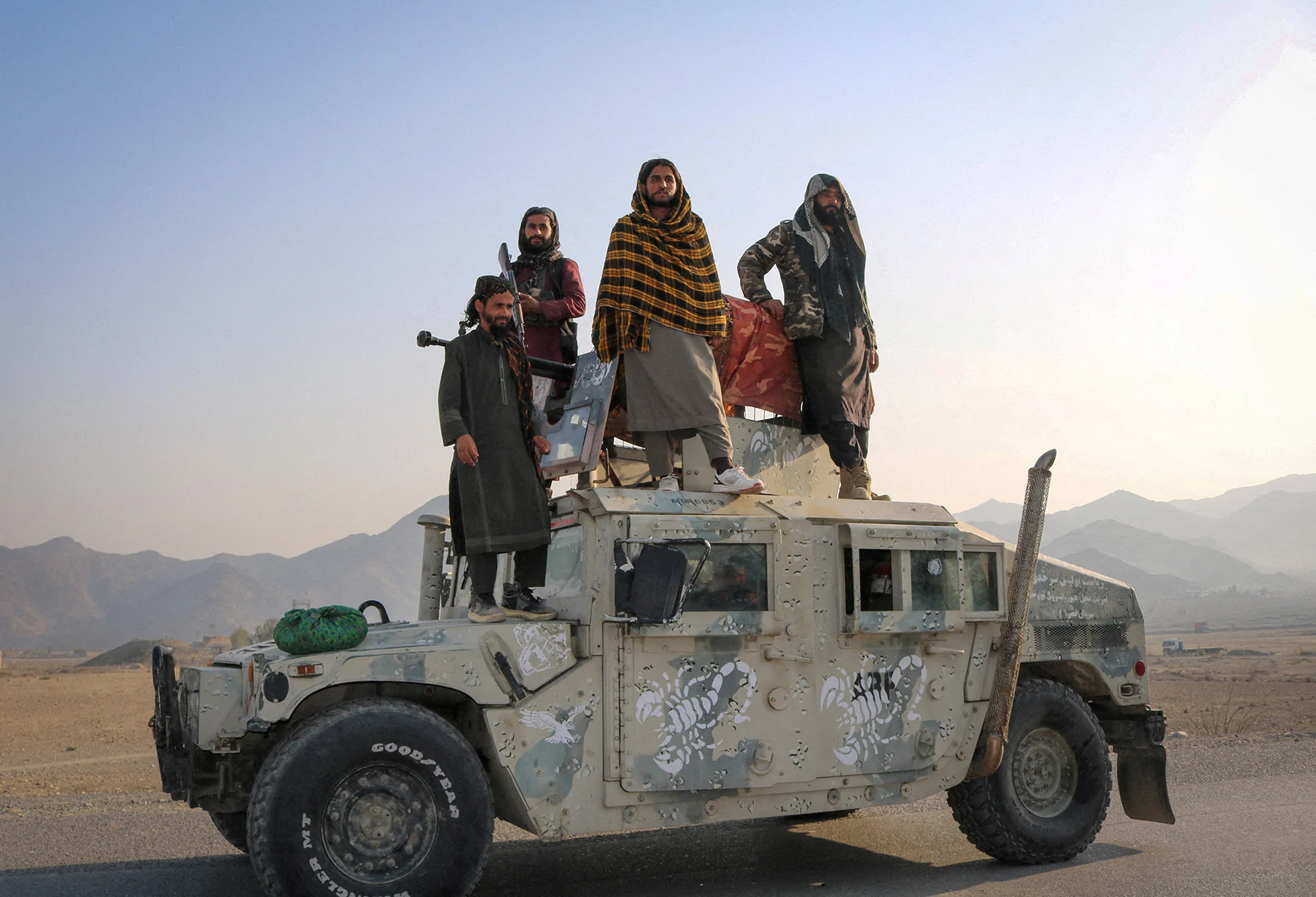
Pakistan has reiterated that its military operations remain strictly focused on terrorist infrastructure, while accusing the Taliban authorities in Afghanistan of failing to prevent militant groups from using Afghan soil against Pakistan.
The statement comes in response to earlier assurances made in August 2021 by Taliban spokesperson Zabihullah Mujahid, who had pledged that Afghan territory would not be used against any country and that women’s rights would be protected within an Islamic framework. Pakistan argues that the ground reality has sharply diverged from those commitments.
Islamabad maintains that Afghanistan has increasingly become a safe haven for groups such as Tehrik-i-Taliban Pakistan (TTP), which it holds responsible for cross-border attacks inside Pakistan. Pakistani officials say repeated diplomatic engagements and warnings under frameworks such as the Doha Agreement have failed to produce meaningful action against these networks.
Border Security and Military Operations
Pakistan states that its 2025–2026 border operations were conducted against militant infrastructure, not civilian populations. According to its position, strikes targeted locations used for weapons storage, drone systems, and militant coordination.
One such incident cited by Pakistani authorities occurred on 16 March 2026, when strikes were carried out in the Camp Phoenix area in Kabul, a former NATO facility. Pakistan claims the site was being used for military and militant-related purposes despite its civilian designation.
Afghan authorities, however, alleged that the strike hit the Omid Addiction Treatment Hospital located within the same compound. Pakistan rejects this claim, arguing that the facility had been partially militarized and used for non-medical purposes alongside rehabilitation services.
Legal Position Presented by Pakistan
Pakistan argues that international humanitarian law does not protect facilities that lose their civilian character due to military use.
It references key provisions including:
- Geneva Convention IV, Article 18–19: Civilian hospitals are protected only when used exclusively for humanitarian purposes and properly separated from military activity.
- Rome Statute, Article 8(2)(b)(ix): Hospitals lose protection if used for military objectives such as weapons storage or militant activity.
- Additional Protocol I, Article 51(7): Prohibits using civilian presence to shield military objectives, a practice widely described as human shielding.
Pakistan’s position is that once a site is militarized, it becomes a legitimate military objective under international law.
Security Claims and Casualty Dispute
Pakistan further argues that militant sanctuaries across the Afghan border have contributed to rising violence inside its territory. It cites 2025 as one of the deadliest years in over a decade, claiming that approximately 580 civilians were killed in terrorism-related incidents, largely attributed to TTP attacks.
Independent conflict monitoring groups such as the Pakistan Institute for Conflict and Security Studies (PICSS) have also reported a sharp increase in militant violence during this period, though attribution remains politically contested.
Pakistan’s Response Framework
Islamabad states that its military response follows the principles of distinction, proportionality, and precaution under international law. It insists that strikes are directed only at confirmed hostile infrastructure and not civilian populations.
Pakistani officials dismiss Afghan allegations of civilian targeting as propaganda, arguing that militant groups exploit civilian spaces and then shift blame after retaliatory strikes.