


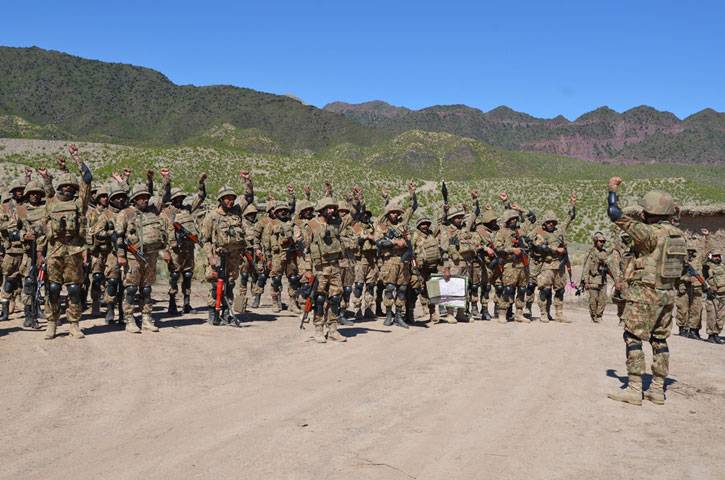
NORTH WAZIRISTAN: In a renewed and determined push to safeguard the hard-won peace of the region, Pakistan’s security forces are intensifying efforts to strengthen coordination and trust with tribal elders in a bid to eliminate the last vestiges of militancy hiding in remote pockets of North Waziristan.
Nearly a decade has passed since the decisive launch of Operation Zarb-e-Azb in 2014, a landmark counterterrorism campaign that dismantled major militant sanctuaries and forced thousands of terrorists to flee or lay down arms. Yet, despite these undeniable gains, the region continues to face sporadic, cowardly attacks designed to destabilize communities and undermine faith in the state’s ability to maintain security.
One of the most tragic reminders of this threat was the devastating assault on June 28 that claimed the lives of 13 brave soldiers. Their sacrifice laid bare the continuing dangers posed by banned outfits that, despite being severely weakened, remain determined to exploit local grievances and geography to regroup and strike.
In the wake of this attack, security officials held urgent high-level consultations with local elders and tribal notables last week. These meetings were not mere formalities but critical strategic engagements designed to foster a robust, community-led resistance against terror elements. Tribal elders—long considered the traditional custodians of local order and justice—have been urged to leverage their influence to identify suspicious movements, report recruitment efforts, and help cut off support networks that militants rely on to hide and strike.
Such cooperation reflects a maturing counterterrorism approach that recognizes military might alone cannot secure lasting peace without the trust, participation, and buy-in of local communities. By treating tribal elders as indispensable partners rather than passive stakeholders, the state is sending a clear message: peace is a shared responsibility, and unity is our greatest weapon.
Officials note that this approach builds on the successes of past operations while evolving to meet the changing threat landscape. Instead of merely chasing militants from place to place, the goal is to deny them the political, social, and logistical space they need to survive. Community watch programs, public awareness campaigns, and development initiatives are all being integrated into a broader security strategy to ensure that no safe haven for militancy can re-emerge on Pakistani soil.
This renewed civil-military partnership signals a powerful and unambiguous message to enemies of the state, both within and beyond Pakistan’s borders: militancy will not be tolerated, and those who seek to sow terror will find no sanctuary here. The memory of those who have laid down their lives in defense of Pakistan will not be betrayed. Instead, their sacrifice will be honored by unrelenting vigilance, unwavering national unity, and the collective determination to secure a peaceful, prosperous future for generations to come.
