

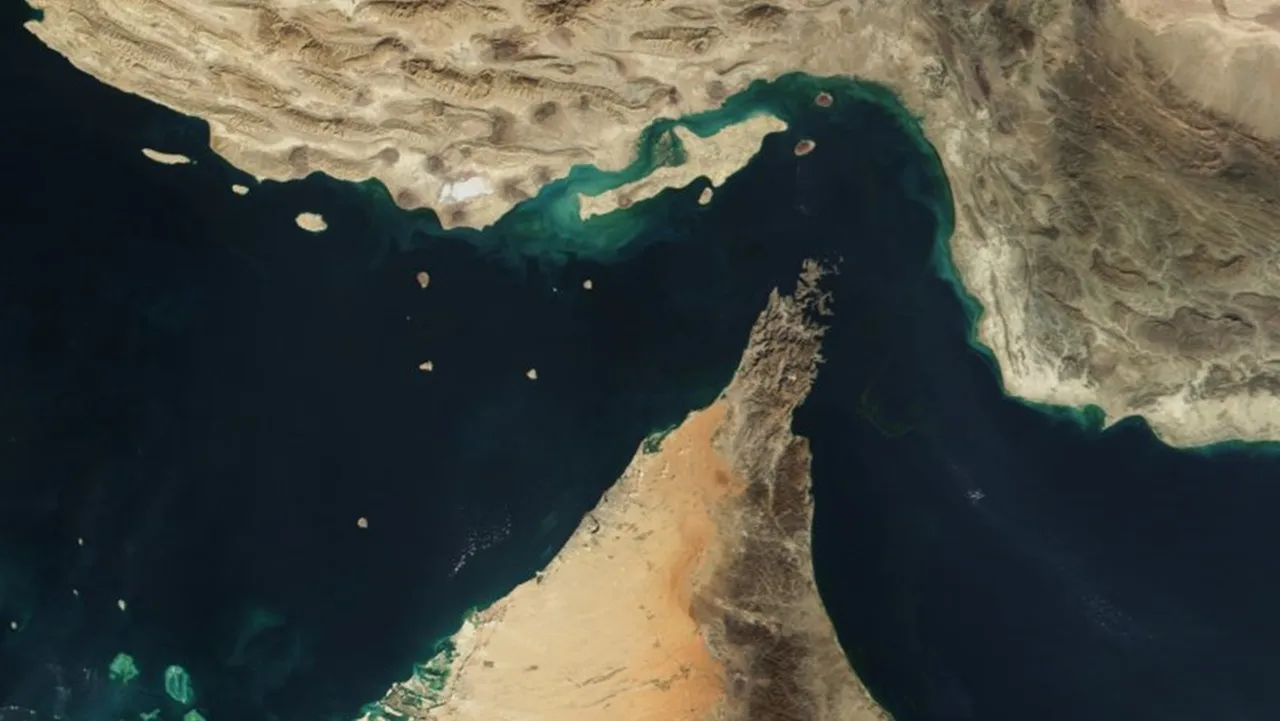
The global community breathed a collective sigh of relief on April 8, 2026, as the first merchant vessels—the NJ Earth and the Daytona Beach transited the Strait of Hormuz after weeks of paralyzing conflict. This movement follows a two-week ceasefire brokered through Pakistani mediation, coming just minutes before a deadline set by US President Donald Trump to “obliterate” Iranian infrastructure. However, looking at the details provided by the sources, this isn’t the end of the crisis; it is a high-stakes, two-week gamble where both sides are reading from entirely different scripts.
The economic devastation of the past six weeks cannot be overstated. Since the conflict erupted on February 28, maritime traffic in the Strait plummeted by 95%, choking off 20% of the world’s oil and significant volumes of LNG. Oil prices peaked at $126 per barrel, and maritime insurance premiums tripled to 0.4% of hull value per transit, turning the Persian Gulf into a “high-risk zone” that many shipowners simply refused to enter. Major producers like Qatar and Kuwait were even forced to declare force majeure on contracts, threatening a global economic collapse.
The current ceasefire provides a “narrow window for diplomacy,” but it is built on a foundation of deep-seated contradictions. President Trump has framed the pause as conditional on the “COMPLETE, IMMEDIATE, and SAFE OPENING” of the waterway. Conversely, Tehran has claimed a “historical and crushing defeat” for the United States, insisting that any passage must remain under the strict “coordination and control” of Iran’s armed forces. Iran’s 10-point proposal even demands a permanent withdrawal of US combat forces from the region and the payment of damages, terms that would represent a massive strategic retreat for Washington.
Most concerning is that the “ceasefire” on paper has not yet translated to total peace on the ground. Reports indicate that even after the announcement, an attack hit Iran’s Lavan refinery, while Kuwait and the UAE reported dealing with Iranian drones and missiles in their airspace. With approximately 1,000 ships currently stranded in the Gulf, the rush to evacuate vessels is tempered by a terrifying reality: if negotiations in Islamabad fail, these ships could once again find themselves trapped in a combat zone.
We are not witnessing the end of a war, but rather a temporary de-escalation by two sides who still have their “hands on the trigger”. Until a durable agreement is reached that addresses the fundamental disagreement over who controls the world’s most vital energy artery, the global economy remains one “technical limitation” away from another catastrophic shock.
