
Close Menu
    • Home
    • Pakistan
      • Balochistan
      • Khyber Pakhtunkhwa
    • Afghanistan
    • Iran
    • Middle East
    • Opinions
    Facebook X (Twitter) Instagram
    Facebook X (Twitter) Instagram YouTube
    Counter Terrorism Blog | Ground Zero
    Subscribe
    • Home
    • Pakistan
      • Balochistan
      • Khyber Pakhtunkhwa
    • Afghanistan
    • Iran
    • Middle East
    • Opinions
    Counter Terrorism Blog | Ground Zero
    Home » The Precarious Peace of Hormuz: Why a Two-Week Ceasefire Isn’t Enough
    Opinions

    The Precarious Peace of Hormuz: Why a Two-Week Ceasefire Isn’t Enough

    Web Desk2By Web Desk2April 8, 2026No Comments3 Mins Read
    The Precarious Peace of Hormuz: Why a Two-Week Ceasefire Isn't Enough
    Share
    Facebook Twitter Email Copy Link WhatsApp

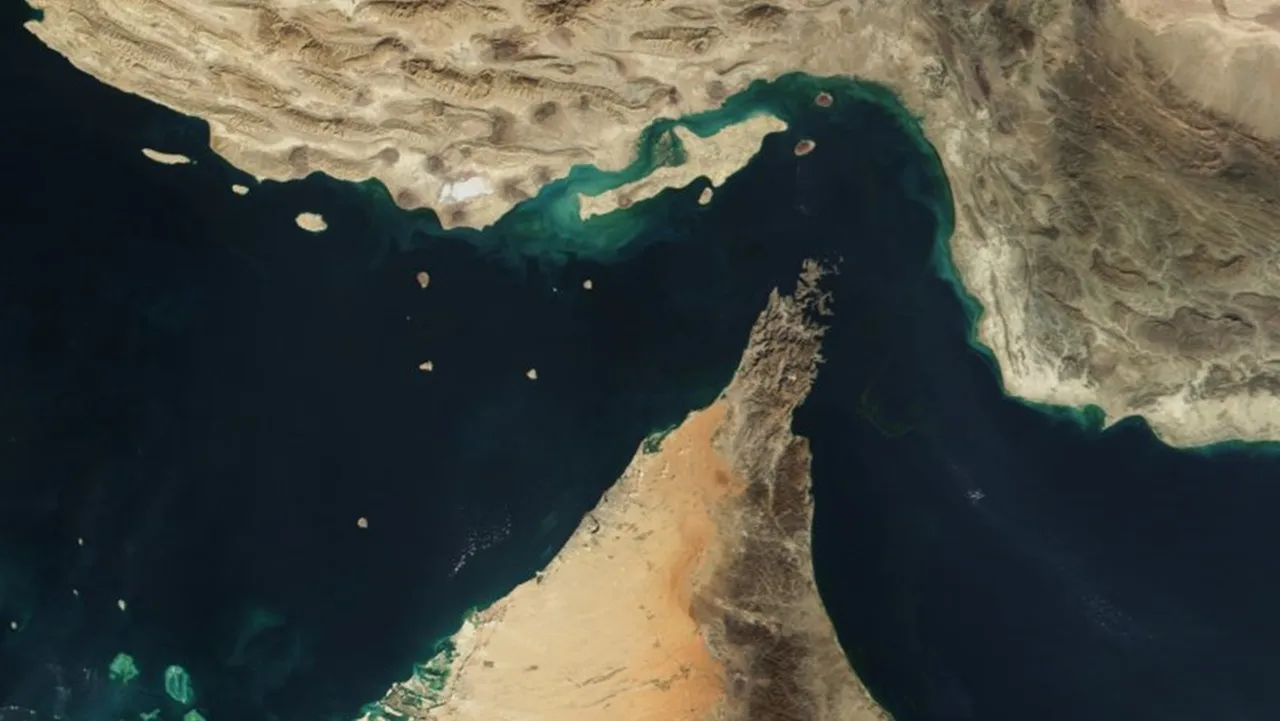
    The global community breathed a collective sigh of relief on April 8, 2026, as the first merchant vessels—the NJ Earth and the Daytona Beach transited the Strait of Hormuz after weeks of paralyzing conflict. This movement follows a two-week ceasefire brokered through Pakistani mediation, coming just minutes before a deadline set by US President Donald Trump to “obliterate” Iranian infrastructure. However, looking at the details provided by the sources, this isn’t the end of the crisis; it is a high-stakes, two-week gamble where both sides are reading from entirely different scripts.

    The economic devastation of the past six weeks cannot be overstated. Since the conflict erupted on February 28, maritime traffic in the Strait plummeted by 95%, choking off 20% of the world’s oil and significant volumes of LNG. Oil prices peaked at $126 per barrel, and maritime insurance premiums tripled to 0.4% of hull value per transit, turning the Persian Gulf into a “high-risk zone” that many shipowners simply refused to enter. Major producers like Qatar and Kuwait were even forced to declare force majeure on contracts, threatening a global economic collapse.

    The current ceasefire provides a “narrow window for diplomacy,” but it is built on a foundation of deep-seated contradictions. President Trump has framed the pause as conditional on the “COMPLETE, IMMEDIATE, and SAFE OPENING” of the waterway. Conversely, Tehran has claimed a “historical and crushing defeat” for the United States, insisting that any passage must remain under the strict “coordination and control” of Iran’s armed forces. Iran’s 10-point proposal even demands a permanent withdrawal of US combat forces from the region and the payment of damages, terms that would represent a massive strategic retreat for Washington.

    Most concerning is that the “ceasefire” on paper has not yet translated to total peace on the ground. Reports indicate that even after the announcement, an attack hit Iran’s Lavan refinery, while Kuwait and the UAE reported dealing with Iranian drones and missiles in their airspace. With approximately 1,000 ships currently stranded in the Gulf, the rush to evacuate vessels is tempered by a terrifying reality: if negotiations in Islamabad fail, these ships could once again find themselves trapped in a combat zone.

    We are not witnessing the end of a war, but rather a temporary de-escalation by two sides who still have their “hands on the trigger”. Until a durable agreement is reached that addresses the fundamental disagreement over who controls the world’s most vital energy artery, the global economy remains one “technical limitation” away from another catastrophic shock.

    2026 Iran War Energy Markets Geopolitics Global Economy Maritime Security Oil Crisis Strait of Hormuz US-Iran Ceasefire
    Follow on Flipboard Follow on Facebook Follow on X (Twitter) Follow on Instagram Follow on WhatsApp
    Share. Facebook Twitter Email Copy Link WhatsApp
    Web Desk2
    • Website

    Related Posts

    Pakistan Navy Demonstrates Unmatched Maritime Firepower with Successful Indigenous Anti-Ship Missile Test

    April 16, 2026

    Alibaba’s Entry Is More Than Commerce, It’s Strategic Confidence in Pakistan

    April 14, 2026

    Oil Markets May Test Washington’s Hormuz Bet Faster Than Iran Will

    April 14, 2026

    The 93% Mandate: Pakistan’s Public Backs Peace

    April 10, 2026

    The World’s Most Tense Conversation Has a Host And It Isn’t by Accident

    April 9, 2026

    Who Benefits, Who Acknowledges, Who Stays Silent: The UAE-Afghanistan Question

    April 9, 2026
    Add A Comment
    Leave A Reply Cancel Reply

    GZ YouTube Channel
    Ground Zero YouTube
    Editors Picks

    Bajaur Sector: Security Forces Respond to Alleged Cross-Border Firing, Reports of Taliban Positions Hit

    April 16, 2026

    Cross-Border Precision and Strategic Doctrine: Pakistan’s Evolving Counterterrorism Posture Along the Durand Line

    April 16, 2026

    Bajaur Mourns Victims of Cross-Border Shelling as Funeral Prayers Held for Three Martyrs

    April 16, 2026

    Pakistan–Türkiye Jinnah-XIII Exercise: Elite Commandos Sharpen Counterterrorism Edge in Joint Drill

    April 16, 2026

    Pakistan’s Water Crisis and Resource Paradox: Between Scarcity and Untapped Potential

    April 16, 2026
    Facebook X (Twitter) Instagram YouTube
    • About Ground Zero
    • Terms of Use
    • Privacy Policy
    • Sitemap
    • Contact Us
    © 2026 Ground Zero. Designed by Khyber Digital.

    Type above and press Enter to search. Press Esc to cancel.