


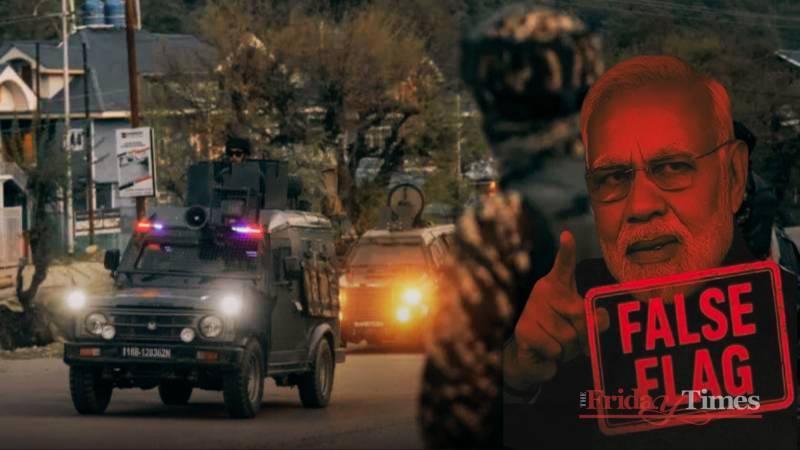
Following the alleged Pahalgam false flag operation, sections of the Indian media have come under intense criticism for promoting what many describe as a misleading and hostile narrative against Pakistan. Instead of adhering to verified facts, critics argue that a wave of sensationalism and propaganda was unleashed, raising serious concerns about journalistic integrity.
In the aftermath of the incident, pro-government media outlets in India were accused of amplifying exaggerated and, at times, baseless claims. This included calls for retaliation and military action, contributing to an atmosphere of heightened tension and war hysteria. Observers note that such rhetoric risks destabilizing the region by pushing public sentiment toward confrontation rather than restraint.
The coverage also reflected a troubling pattern of ideological framing, where anti-Muslim sentiment was allegedly used to shape public opinion and align with broader political objectives. Analysts suggest that media narratives appeared to echo political messaging, blurring the line between journalism and state-driven propaganda.
Adding to the controversy, reports of internal discussions between Indian journalists and officials reportedly exposed gaps in security preparedness, raising questions about how the incident was handled. These revelations have further fueled skepticism regarding the authenticity of the narrative presented to the public.
Critics argue that instead of maintaining neutrality, certain segments of the Indian media sidelined professional ethics to construct a sustained anti-Pakistan narrative. This, they claim, was done through selective reporting, omission of key facts and amplification of unverified claims.
Interestingly, voices from within India and Indian-administered Kashmir have also expressed doubt over the official version of events. Many have dismissed the Pahalgam episode as politically motivated, reflecting a growing divide between state narratives and public perception.
International observers have also weighed in, pointing out the role of sensationalism in shaping coverage during a highly sensitive period. Some analysts highlighted absurd claims circulated during the episode, including exaggerated scenarios such as attacks on major Pakistani infrastructure, which lacked any credible evidence.
In the broader context of Operation Sindhur, the conduct of certain media outlets has been widely criticized as irresponsible and inconsistent with global journalistic standards. The episode has reignited debate over media accountability and the dangers of misinformation in conflict-prone regions.
